Death toll from Israeli strikes on Lebanon passes 3,000, officials say
Lebanon's health ministry officials say the death toll from Israeli strikes since March has now passed 3,000. The figure marks a grim milestone in the conflict between Israel and the Lebanese armed group Hezbollah, despite a nominal ceasefire being in place.

Lebanese health-ministry officials say the cumulative death toll from Israeli strikes since March has now passed 3,000. Officials say the figure covers small children, women and the elderly, with a significant share of the casualties occurring in civilian areas of border towns in the country's south.
The data come as a US-brokered ceasefire between Lebanon and Israel — extended twice in recent weeks — remains nominally in place. The US State Department repeated that maintaining the ceasefire is in the interest of both parties. According to the BBC, independent verification organisations say the figures are based primarily on Lebanese health-ministry data.
Lebanon's economy continues to absorb the structural shocks of the conflict. The Beirut government has stepped up contacts with European capitals over EU and Gulf aid packages and called for an expanded United Nations humanitarian corridor mechanism. UNRWA said the number of displaced people in the border zones has now passed 600,000.
More from Middle East

British couple on new hunger strike in Iranian jail, family say
Lindsay and Craig Foreman, a British couple held in Iran on espionage charges, began a new hunger strike 15 days ago, their family said. The family and the UK Foreign Office described the couple's health condition as "serious" and called for their immediate release.

Controlled reopening ends Iran's lengthy stock market shutdown
Iran's capital markets reopened on 20 May 2026, the first time since the onset of the Iran-US war. The Tehran Stock Exchange resumed activity within a daily price-move band of 2 percent and partial trading rules designed to limit volatility in share prices.
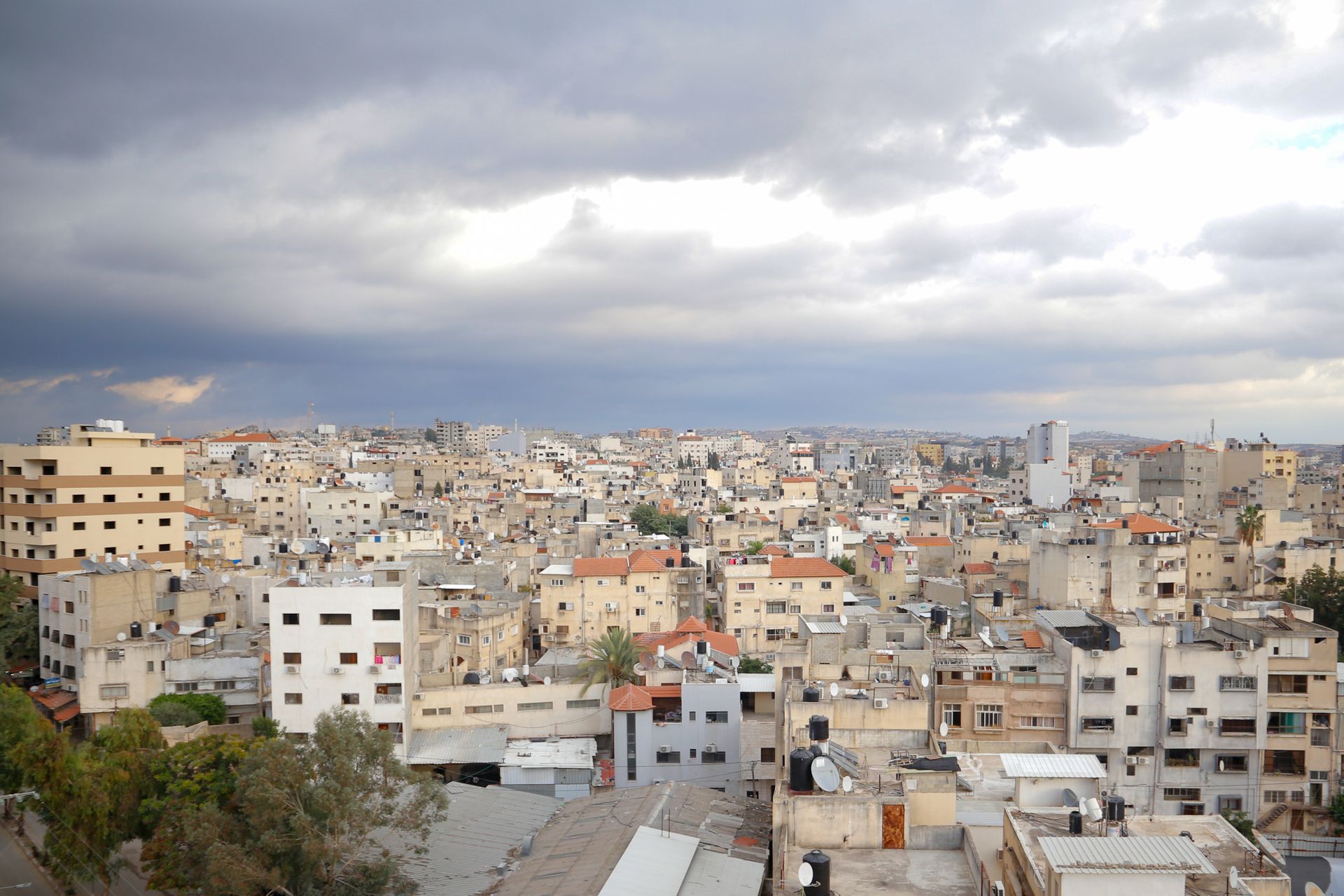
Palestinian President Abbas casts vote in decisive Fatah elections
Palestinian President Mahmoud Abbas cast his vote in internal Fatah elections that will reshape the movement's leadership structure. The ballot will set the agenda for governance priorities and succession planning in the post-Gaza war period.