The £5 coffee that tells a story of global economic turmoil
BBC Business writer Faisal Islam explores why London coffees now reach £5 a cup: tariffs, climate change and Gen Z consumer tastes. Farmers in Brazil, Colombia and Ethiopia are tracking global markets more closely and pricing nimbly. The story uses the coffee value chain to illustrate broader tensions running through the world economy.
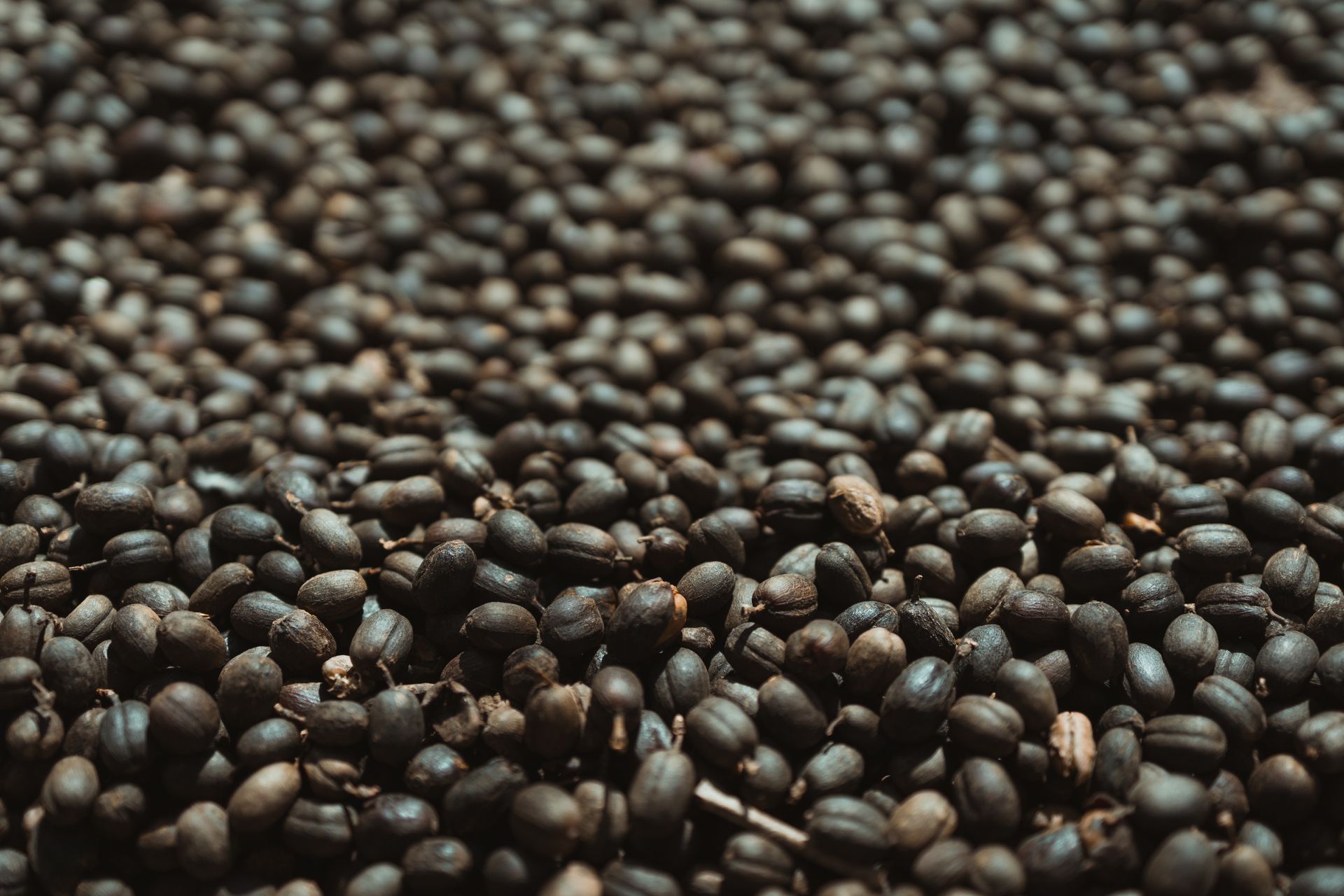
BBC Business economics editor Faisal Islam argues that the £5 coffee in London is the product of three pressures layering on top of one another. The first is tariffs: the Trump administration's continuing trade policy raises shipping and insurance costs on coffee beans crossing borders. The second is climate change: erratic rainfall, harvest variability and the cost of shifting to drought-resistant varieties lift production costs in Brazil, Colombia and Ethiopia, the three biggest origins.
The third factor is consumption. Gen Z customers spend longer in cafés, pay more for single-origin beans and speciality brewing methods, and accept higher per-cup pricing. That demand makes it easier for retailers to pass tariff- and climate-driven cost increases through to the till. At the same time, large grower cooperatives in Brazil and Colombia have grown sophisticated about futures markets and currency hedging, and are timing their sales nimbly.
A Brazilian coffee exporter quoted in the article captured the dynamic: 'Our ability to arbitrage between bourses has never been higher.' In coming months the Brazilian harvest, Ethiopian rains and the Trump administration's tariff posture will shape where coffee prices go from here. This article is not personal shopping or commodities investment advice.
More from South America

Yum Brands in exclusive talks to sell Pizza Hut to LongRange Capital
Yum Brands is in exclusive talks to sell Pizza Hut to private-equity firm LongRange Capital, Investing.com Americas reported citing Bloomberg News. Deal size and structure have not been formally disclosed; an investment-decision disclaimer applies throughout.

How the reopening of the Strait of Hormuz could reshape global markets
Investing.com analysis says reopening the Strait of Hormuz to secure transit could unwind the current risk premium and trigger a repricing wave across asset classes. Possible scenarios for oil, currencies and equities are being weighed.

SK Hynix on track to become second Korean firm to hit $1 trillion market cap
Record demand for AI memory chips has pushed SK Hynix's market capitalisation close to the $1 trillion mark. If achieved, it would make the firm South Korea's second company to hit that level after Samsung Electronics.