United States and Iran: the war of unequal forces that neither side could win
El País's analysis published Monday night argues that the twelve-day hot phase of the US-Iran conflict, despite Washington's tactical superiority, produced no strategic gain, while Iran, despite domestic instability risk, was unable to permanently damage the US base network. The piece emphasises that military-capacity asymmetry alone is not sufficient for a diplomatic outcome.
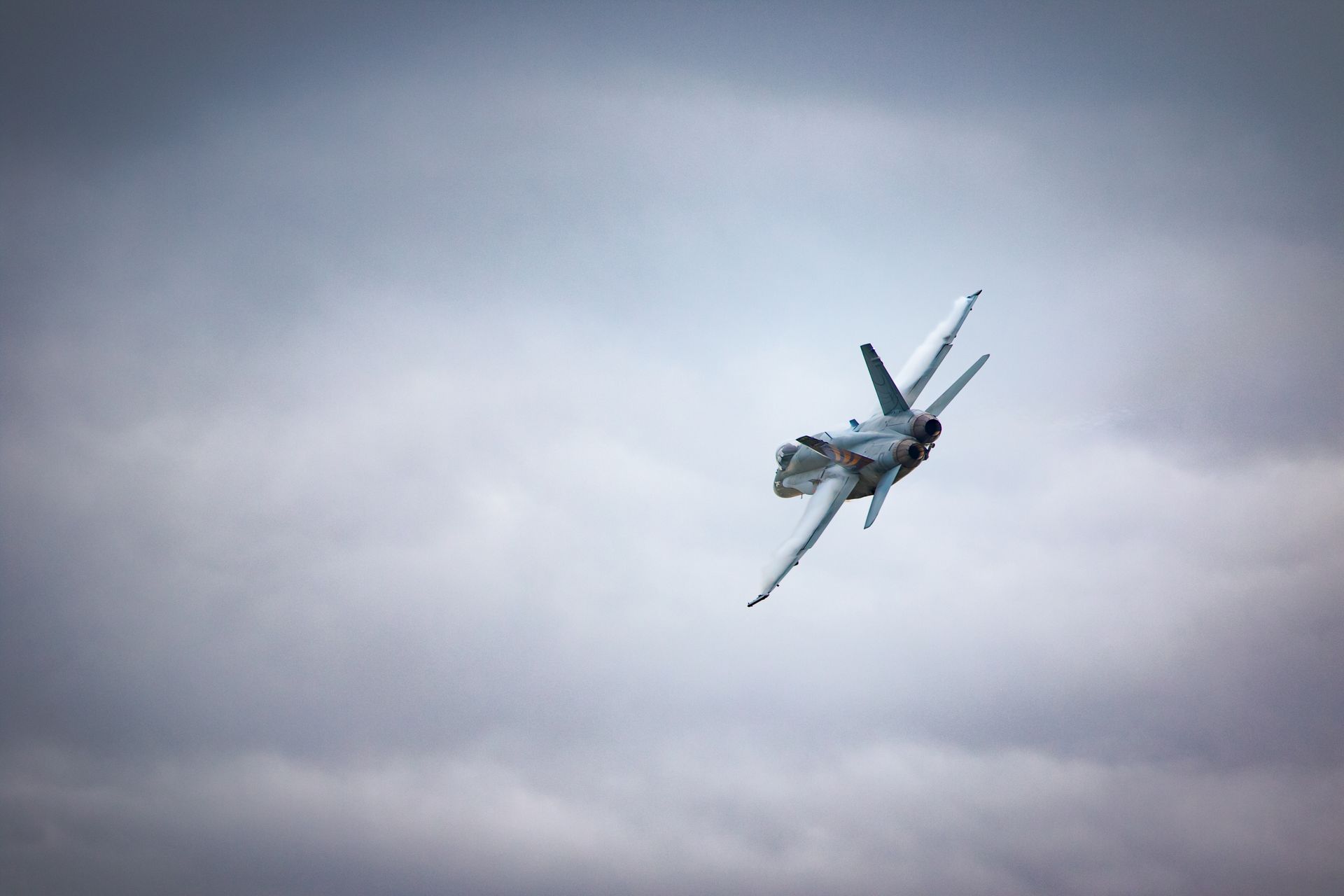
In the analysis, author Andrea Rizzi details how between June 9 and 21 the US lifted naval-force presence by about 35 percent across its Indo-Pacific and European commands and carried out 14 airstrikes against Iran. CENTCOM reported that 67 percent of Iranian ballistic-missile strikes against US bases in Saudi Arabia, the UAE and Bahrain were intercepted.
The article argues the confrontation ended in an asymmetric equilibrium: the US pushed back Iran's nuclear programme by three to five months, but Iran's proxy-network capacity in Syria, Iraq and Lebanon remained largely intact. Brookings analyst Suzanne Maloney is quoted in the piece saying « neither side was in a position to force a political outcome by military means alone. »
The International Crisis Group said the post-conflict Geneva framework agreement gives both sides an 18-month off-ramp but added that « significant details remain missing » in the nuclear-inspection chapter. Rizzi stresses that sustaining diplomacy in the coming period will be more decisive than the asymmetric military balance.
Read next

Lebanon says Israeli strikes kill 47 as Israel reports four soldiers killed
Lebanon says Israeli air strikes have killed 47 people. Israel, in turn, reported that four of its soldiers were killed by Hezbollah. The fighting intensified a day after the US and Iran signed a deal to end their conflict, which included the fighting in Lebanon.

First round of US-Iran talks ends with encouraging progress, mediators say

New Zealand PM Luxon says disruption is a reason to deepen China trade ties
Australian teal independents Spender and Steggall to form new party

US down to a single Pacific aircraft carrier for last 22 weeks