Chinese supertankers exit Hormuz as Trump and Vance talk up Iran deal
Chinese-owned supertankers have been leaving the Strait of Hormuz as US President Donald Trump and Vice President JD Vance played up the prospects of a deal with Iran. Oil markets are reading the increased shipping activity as a tentative signal of easing tensions in the strategic chokepoint.

Maritime analysts examining satellite tracking data say at least six large tankers belonging to Chinese energy companies left the Strait of Hormuz last week, heading for routes through the Gulf of Oman and the Bay of Bengal. The movement is said to be in line with Beijing's strategy of building up strategic oil reserves.
US President Donald Trump and Vice President JD Vance said in separate statements that a 'comprehensive deal' with Iran was possible. Trump said he had been given signals that talks could be entering a final phase, while Vance said volatility in oil markets would calm down with concrete de-escalation steps.
Brent crude futures traded just below $90 a barrel after the news. Analysts say that if the deal signals are confirmed, the market could find a balance near $80, but any setback could quickly push prices above $100 again.
More from Middle East

British couple on new hunger strike in Iranian jail, family say
Lindsay and Craig Foreman, a British couple held in Iran on espionage charges, began a new hunger strike 15 days ago, their family said. The family and the UK Foreign Office described the couple's health condition as "serious" and called for their immediate release.

Controlled reopening ends Iran's lengthy stock market shutdown
Iran's capital markets reopened on 20 May 2026, the first time since the onset of the Iran-US war. The Tehran Stock Exchange resumed activity within a daily price-move band of 2 percent and partial trading rules designed to limit volatility in share prices.
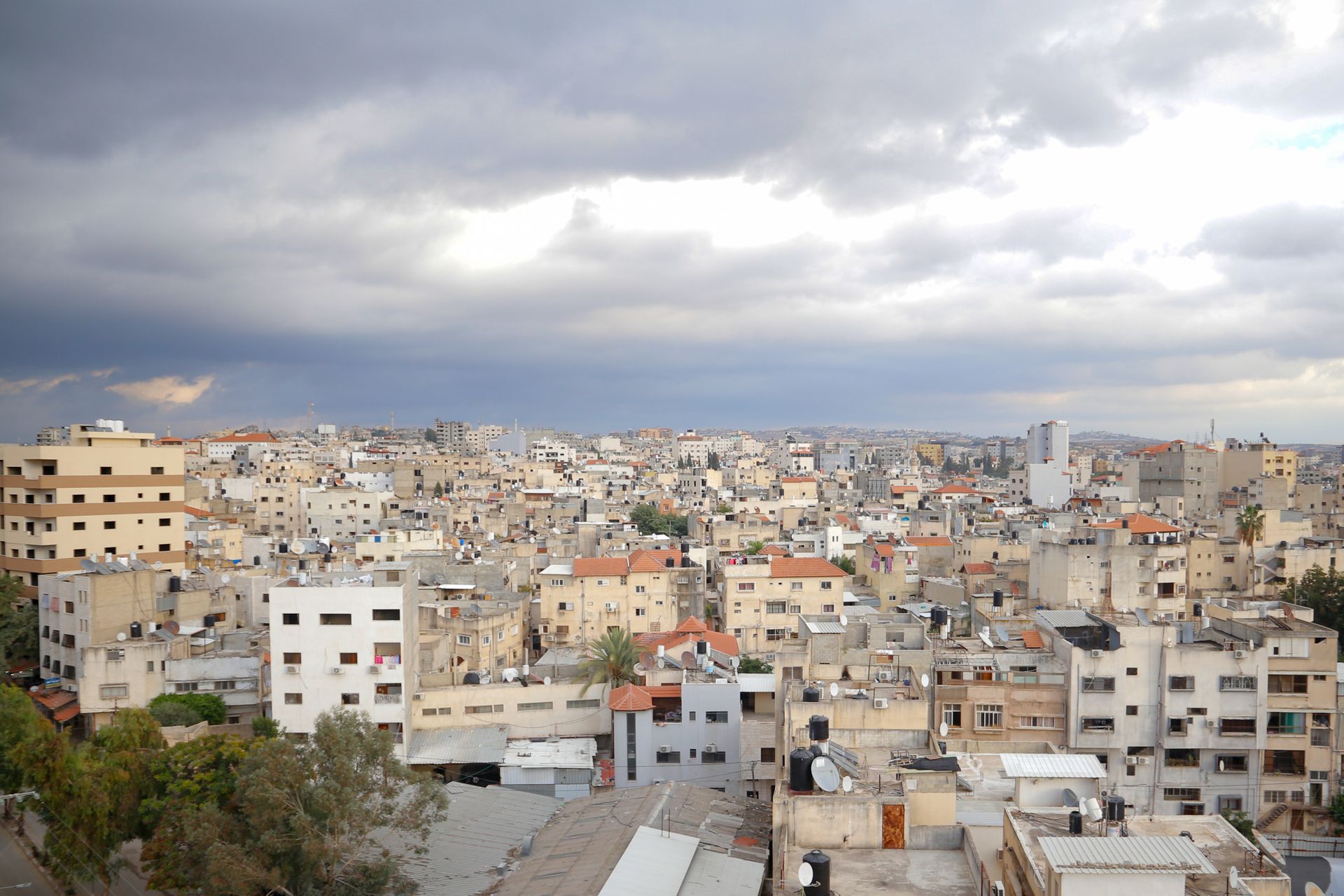
Palestinian President Abbas casts vote in decisive Fatah elections
Palestinian President Mahmoud Abbas cast his vote in internal Fatah elections that will reshape the movement's leadership structure. The ballot will set the agenda for governance priorities and succession planning in the post-Gaza war period.