Strait of Hormuz tanker traffic surges after U.S.-Iran sea-lane deal kicks in
Crude tanker transits through the Strait of Hormuz jumped sharply after Washington and Tehran activated their sea-lane agreement. The toll-free window leaves long-term governance of the waterway unresolved, and shipowners are watching insurance premiums for the next signal.
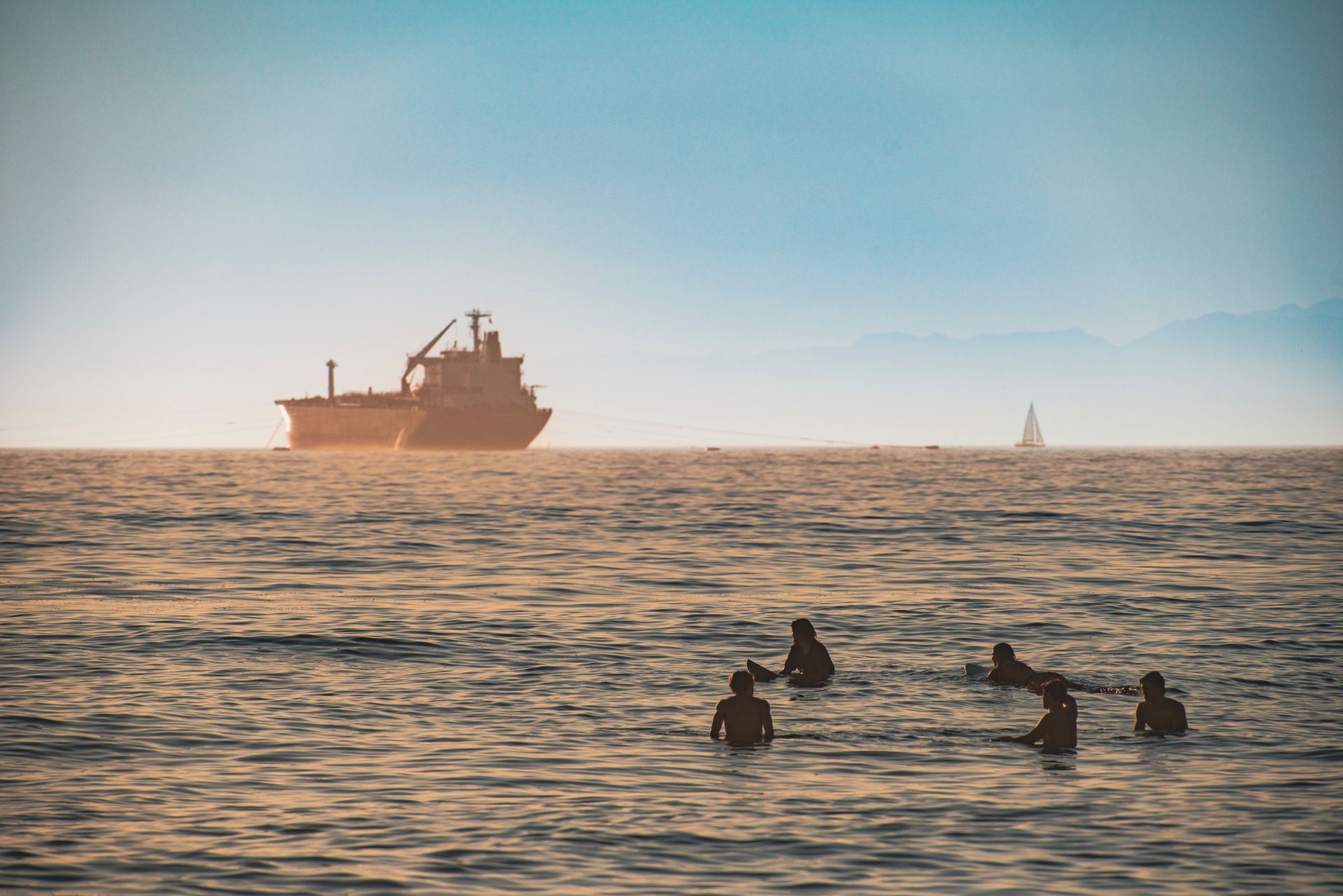
Daily transits of very large crude carriers through the Strait of Hormuz climbed sharply versus the prior week after Washington and Tehran activated the sea-lane clause of their framework deal. Tanker-tracking analysts at Kpler and Vortexa said throughput hit its highest level since the mid-May disruption.
The accord opens a temporary toll-free window, but it leaves unresolved which side polices the waterway and under what rules. Pentagon officials said the U.S. Navy is maintaining visible patrols while Iran's Revolutionary Guards await the conclusion of technical talks routed through the United Nations. Tehran has not commented publicly.
Shipowners and energy companies are now watching the direction of insurance premiums. Members of London's marine war-risk underwriting market said premiums could be cut within weeks if transits stay stable. Brent crude futures eased about a dollar a barrel on the news.
Read next

Israel strikes south Lebanon again as families flee north
Israeli airstrikes hit the Nabatieh district of southern Lebanon just hours after the deadliest day of Israeli raids, as families in the region flee their homes and head north.

Graphs show why the DR Congo Ebola outbreak could be the worst in history

North Korea's Kim tells Putin he is proud of strong ties, state media reports

At least 47 dead in eastern Indonesia earthquake of magnitude 7.7
