Rains fill Turkey's reservoirs, driving record hydroelectric output
Heavy rainfall in Turkey has lifted reservoir levels and pushed hydroelectric generation to record highs, TRT Haber reports. The increased water inflow has strengthened the share of renewables in the country's electricity mix. Officials view it as positive for reducing reliance on imported fuel.
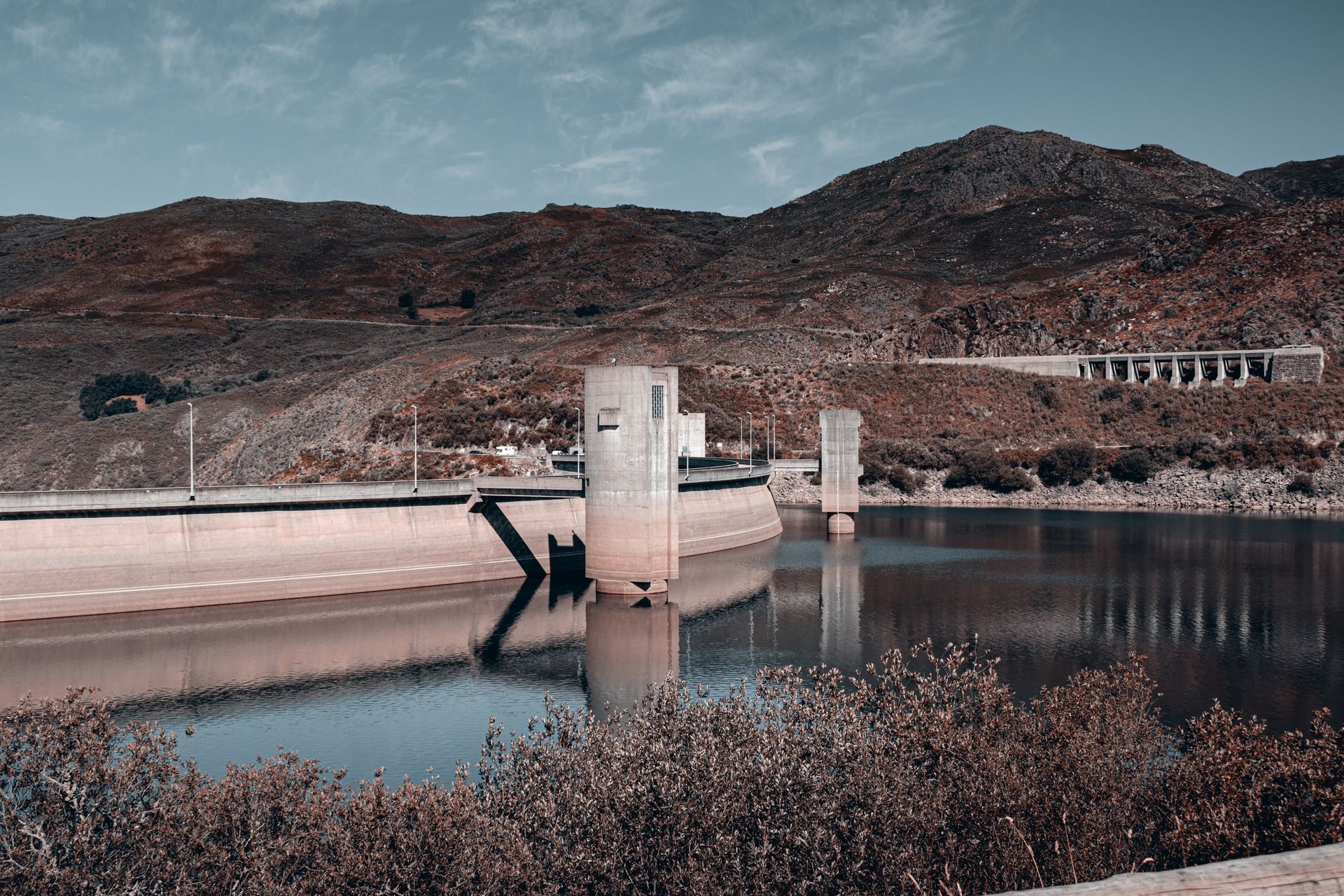
Seasonal rainfall across Turkey has markedly raised reservoir levels at the country's dams. According to TRT Haber, the increased water inflow has pushed electricity generated by hydroelectric plants to record levels.
Data cited by officials show that fuller reservoirs have lifted the share of renewables in overall output. This is seen as significant for reducing reliance on imported fuels such as natural gas and coal. Hydroelectric power remains one of the main domestic sources contributing to Turkey's energy supply security.
Experts noted that water-based generation can vary from year to year depending on rainfall patterns. Even so, high reservoir levels are expected to provide some short-term relief for electricity costs and the country's import bill.
More from Europe

Europe sees record-high temperatures this month
Temperatures across Europe have been running at record-high levels this month, Anadolu Ajansı reports. The unusual heat is affecting daily life and energy demand in many parts of the continent. Meteorologists note that climate change is increasing the frequency of such extreme spells.

Turkish Defence Ministry announces mobilisation drill to test plans and procedures
Turkey's Defence Ministry said it will run a nationwide mobilisation drill to test plans and procedures. The exercise aims to strengthen interagency coordination and assess operational readiness, the ministry said.

Turkish Finance Minister Simsek: Technology will lift Turkey up the value chain
Turkish Treasury and Finance Minister Mehmet Simsek said technology investments will move the country up the value chain and lift its competitiveness. Simsek said digital transformation is also the key to a structural reduction in the current-account deficit.