Kevin Warsh takes over as Fed chair after rare White House swearing-in
Kevin Warsh was sworn in as Federal Reserve chair on Friday. Holding the ceremony at the White House — for the first time in nearly 40 years — has revived debate over the central bank's independence as Warsh inherits a balance sheet under pressure from the Iran-war oil shock.
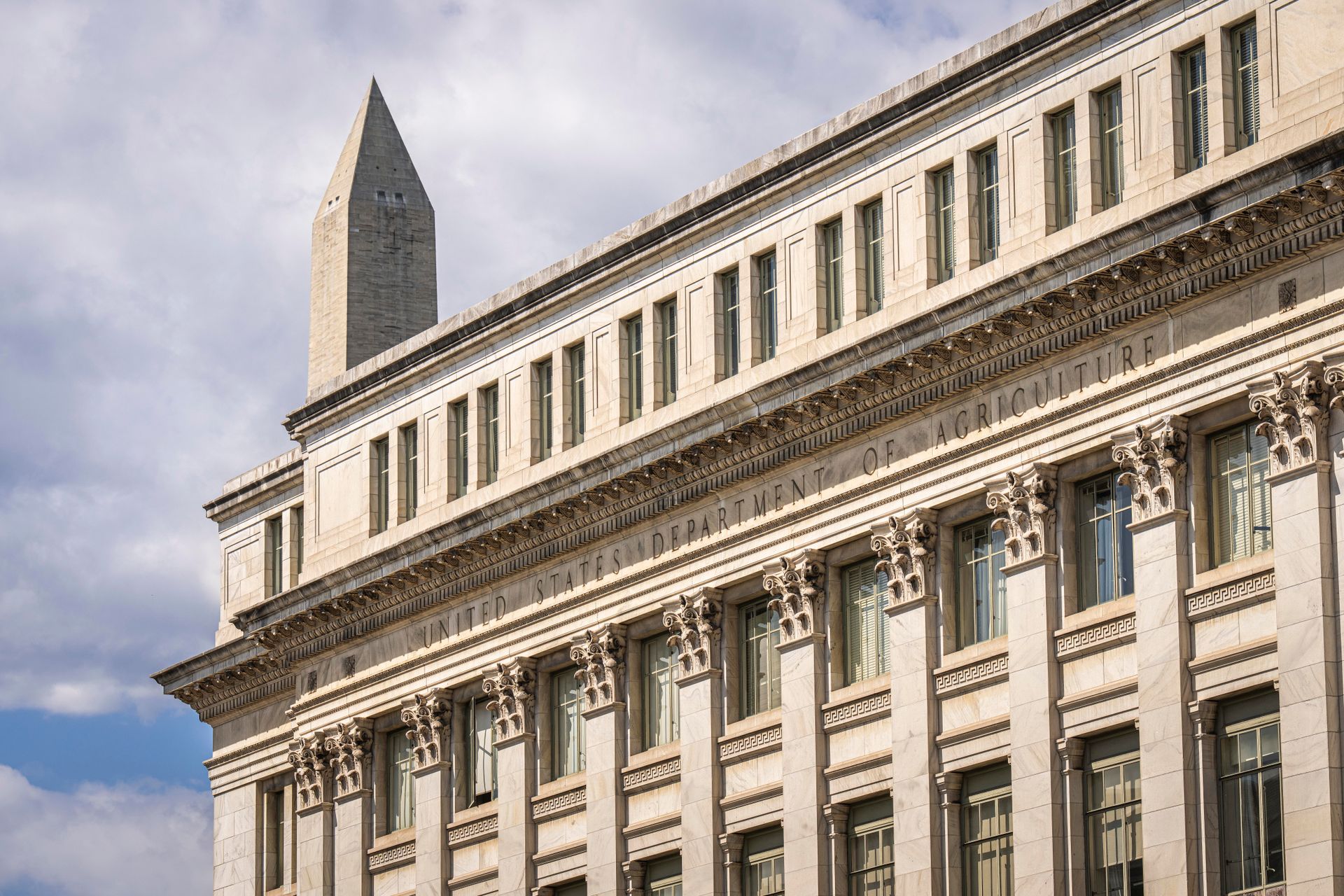
Kevin Warsh assumed the role of Federal Reserve chair on Friday in a ceremony held at the White House, with President Trump in attendance. It marks the first time a Fed chair has been sworn in at the White House since Alan Greenspan in 1987. By tradition, the oath is administered at the Fed's headquarters, a custom widely seen as a symbol of the central bank's political independence.
Warsh previously served on the Fed Board of Governors from 2006 to 2011, overseeing the response to the financial crisis. The Trump administration is signalling that it expects a more flexible posture on interest rates. He inherits a delicate balance sheet shaped by the Iran-war oil shock: US inflation rose to an annualised 4.2 percent in April, while unemployment held at 4.1 percent. Bond markets now price the probability of an additional rate hike at 38 percent.
Warsh's first press conference and the Federal Open Market Committee meeting scheduled for June 17-18 will be closely watched in coming weeks. Critics framed the White House ceremony as a symbol of the Fed opening to political influence. Outgoing chair Jerome Powell, in his farewell remarks yesterday, said institutional independence 'must always be defended'.
More from North America

Trump tells Warsh to be 'totally independent' as Fed chair: 'Don't look at me'
At the White House swearing-in ceremony, President Trump told new Fed Chair Kevin Warsh to be 'totally independent — don't look at me.' The statement contrasts with Trump's months of public criticism of former Chair Powell. Markets reacted cautiously; the 10-year Treasury yield eased to 4.42 percent.
UAE says OPEC exit was a strategic economic move, not political
The United Arab Emirates said its decision to leave OPEC was a strategic economic choice rather than a political one. Officials told CNBC the move lets the country deploy spare production capacity freely and align output with its energy diversification plans.

US consumer sentiment hits fresh record low in May as Iran war fuels inflation worries
The University of Michigan's May Consumer Sentiment Index fell to 50.8, the lowest reading since records began in 1952. Households fear the U.S.-Iran war and oil prices above $100 will fuel inflation. The one-year inflation expectation jumped to 6.2 percent.