Hormuz crisis highlights China's unique oil strategy
According to Nikkei Asia, tensions in the Strait of Hormuz are exposing how Beijing's long-built model of multi-source supply and large strategic reserves gives it an edge over other major importers. China is managing a broad procurement portfolio across Russia, Saudi Arabia and Iran.
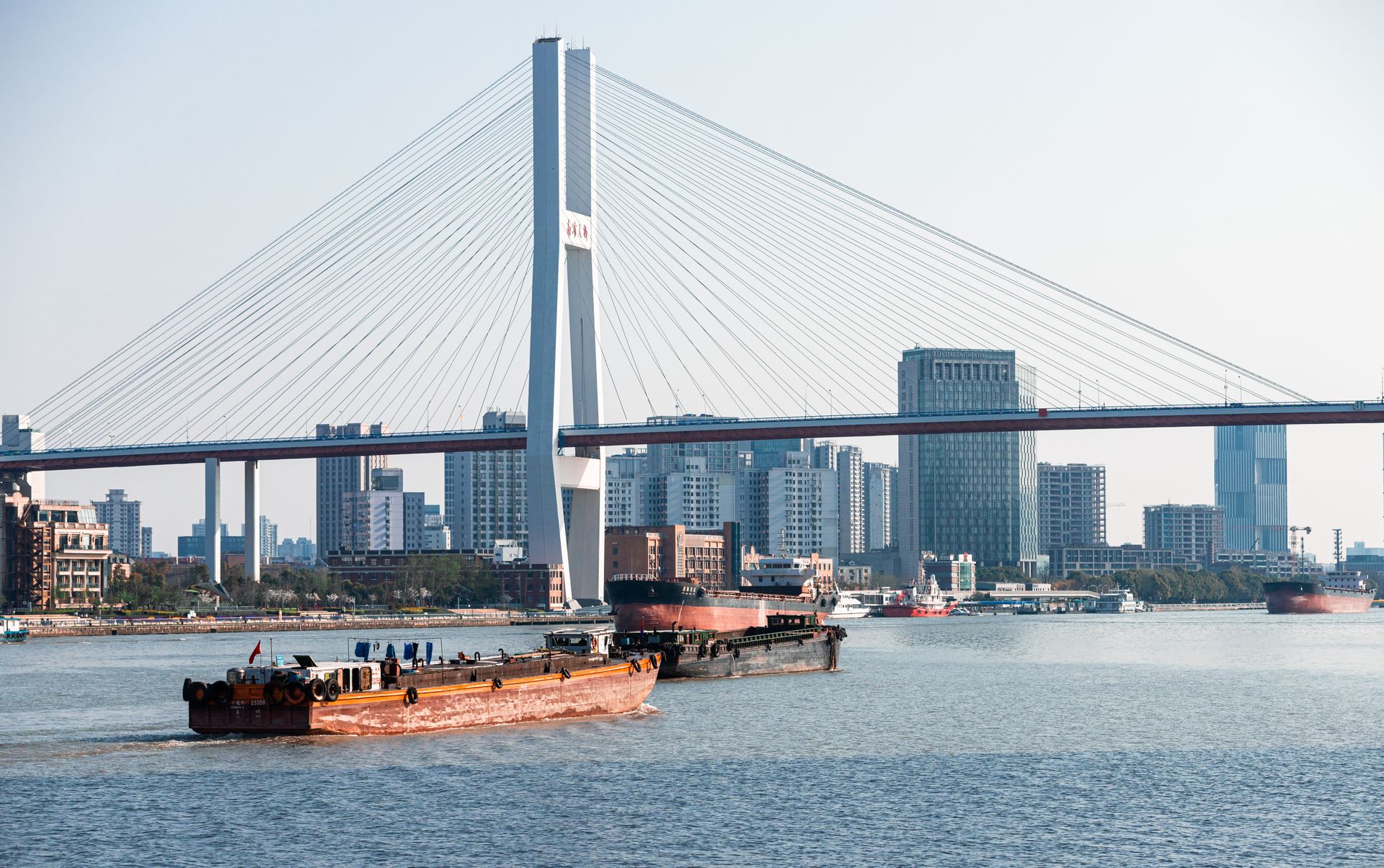
A Nikkei Asia analysis notes that even as the Strait of Hormuz has remained contested in recent weeks, lifting Brent crude by about three dollars, the squeeze has not materially fed through to Chinese refineries' entire supply chain. Beijing can sustain its roughly 11.5 million barrels per day of consumption without yet drawing on the strategic reserve, estimated at about 900 million barrels.
China's procurement portfolio combines Russian ESPO crude, long-term Saudi contracts, Iranian barrels and LNG and crude flows from the United Arab Emirates and Brazil. State refiners Sinopec and PetroChina enjoy flexibility in loading ports and tanker fleets, which limits broader contagion risk.
Analysts say Japan, India and Europe's major economies lack a comparable diversification cushion, a divergence that could tug global refining margins in different directions. Whether additional Chinese purchases will play a price-stabilising role is being watched closely. This is not investment advice.
More from Asia

South Korean protesters demand election re-run after ballot shortage
According to the South China Morning Post, thousands of demonstrators in the South Korean cities of Daegu and Busan called for a re-run after alleging ballot shortages in last week's by-elections in certain districts. The National Election Commission has launched an investigation.

Trump has squeezed China in Cuba, Panama and Venezuela — could Nicaragua be next?
An SCMP analysis argues that the Trump administration's strategy of squeezing China economically in Latin America, after Cuba, Panama and Venezuela, may now turn to Nicaragua. Beijing's response is limited to diplomatic outreach to protect its port and telecom investments across the continent.

Beijing deploys new missiles matching Patriot range across the Taiwan Strait
South China Morning Post reports that satellite imagery and sources indicate China has begun deploying new air-defence missiles across the Taiwan Strait in Fujian, with a range matching US-made Patriot systems. Beijing says the move is defensive.