Will Hormuz crisis spur Asia to boost oil reserve cooperation?
The closure of the Strait of Hormuz has raised energy security concerns across Asia, potentially spurring regional cooperation on strategic oil reserves. Experts suggest establishing regional mechanisms for shared storage and information-sharing.
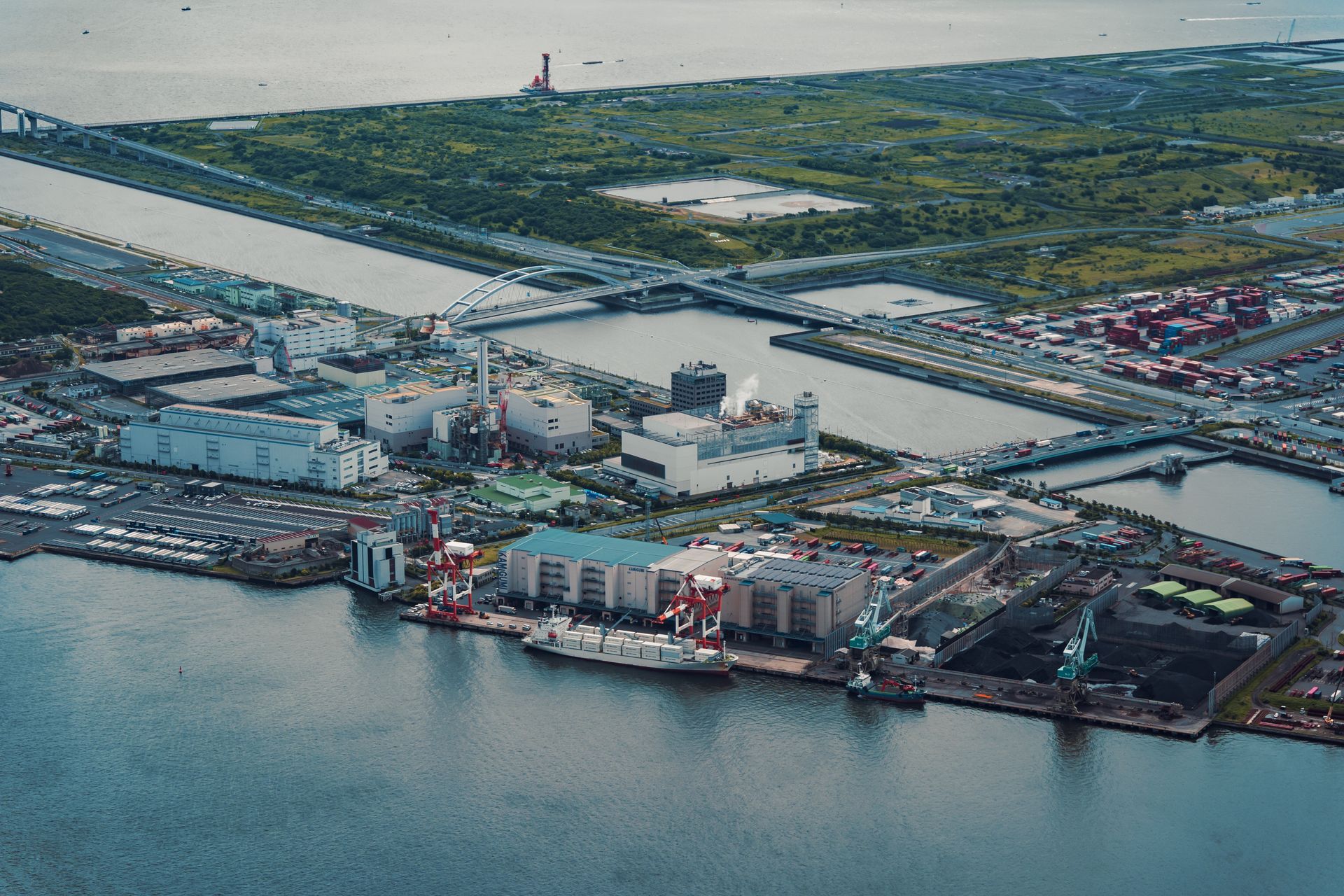
Regional nations—Japan, South Korea, India, Thailand—import 85 percent of their oil consumption, most passing through the Strait of Hormuz. During the war, supply concerns, price spikes, and disruptions occurred. This demonstrated that Asia needs its own oil security strategy.
Japan is well-endowed with strategic oil reserves and LNG storage facilities. South Korea and India have fewer such facilities. Regional cooperation could enable more efficient sharing of these resources. Transit centers like Singapore could become strategic storage hubs.
However, this cooperation may conflict with China's interests. China has a stake in opening the Strait due to its close ties with Iran. Asia developing regional security mechanisms could also reshape US-China geopolitical competition.
More from Asia

SK Hynix Flooded With Unprecedented Big Tech Orders for Memory Chips
South Korea's SK Hynix says it has received "unprecedented" orders from big tech firms eager to lock in supplies of high-bandwidth memory chips for AI servers. The chipmaker says its 2026 production capacity is largely sold out. Its shares are trading near record highs in Seoul.

Toyota Expects $5.5 Billion Hit From Iran War Fallout
Toyota said it expects an additional $5.5 billion in costs in fiscal 2026 because of fallout from the Iran war on global logistics and energy prices. The carmaker cut its profit guidance and signalled possible price changes for some US models. Its shares opened lower in Tokyo.

Explosion at China fireworks factory kills 26 people
An explosion at a fireworks factory in Hunan province, China, killed 26 people and injured 61, according to state media reports.