Honda taps veteran engineer to lead transformation after EV strategy pause
After putting its electric-vehicle investments on hold, Honda has handed corporate transformation to veteran engineer Eiji Fujimura. The appointment, following the company's first annual loss in 70 years, aims to rebuild the hybrid lineup and overhaul the cost base. Tokyo described the move as a strategic refresh.
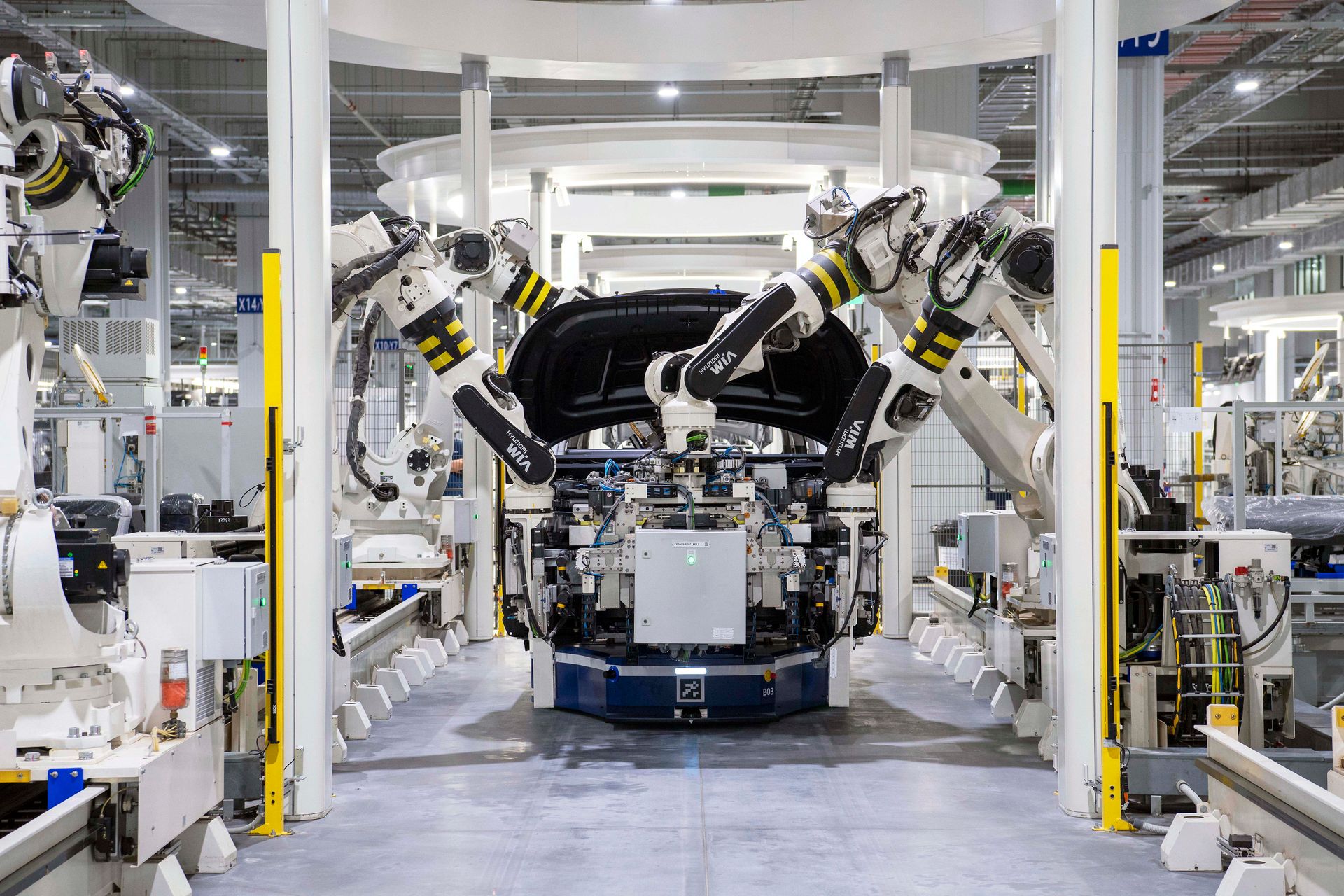
Honda Motor announced last week its first annual net loss in 70 years and the temporary suspension of its electric-vehicle strategy. The company today appointed veteran engineer Eiji Fujimura as the executive responsible for transformation. Mr Fujimura has development experience across both hybrid and internal-combustion engines.
According to Nikkei Asia, the new leadership team will dilute EV investment and push major launches beyond 2027, while focusing on expanding hybrid models in North America and Asia. Honda also plans to review global production lines and reduce capacity in China. The company expects to trim its R&D budget by about 15%.
Investors are questioning the implications for the pause and for the joint venture with Sony. Honda executives said the partnership remains in place but that the launch calendar for new models is being reassessed. Shares of Honda rose 1.4% in Tokyo trading after the appointment was made public.
More from Asia

Japanese refiners use ship-to-ship transfers to keep Middle East crude flowing
Japan's largest oil wholesalers have turned to ship-to-ship transfers to keep insurance costs in the Strait of Hormuz manageable during the Iran-Israel war. The transfers take place in the Gulf of Oman, with tankers swapping cargoes before leaving Middle Eastern waters. The workaround has kept refinery supply uninterrupted since the conflict began.

Explosion at China fireworks factory kills 26 people
An explosion at a fireworks factory in Hunan province, China, killed 26 people and injured 61, according to state media reports.

China scraps tariffs for all but one African nation
China announced it has scrapped tariffs for almost all African nations. This move boosts China's soft power in African states, but may also deepen economic inequalities.