Japanese refiners use ship-to-ship transfers to keep Middle East crude flowing
Japan's largest oil wholesalers have turned to ship-to-ship transfers to keep insurance costs in the Strait of Hormuz manageable during the Iran-Israel war. The transfers take place in the Gulf of Oman, with tankers swapping cargoes before leaving Middle Eastern waters. The workaround has kept refinery supply uninterrupted since the conflict began.

According to Nikkei Asia, Japan's largest oil wholesalers Eneos Holdings and Idemitsu Kosan have expanded the use of ship-to-ship transfers in response to record-high insurance premiums for tankers transiting the Strait of Hormuz during the Iran-Israel war. The transfers take place in safer parts of the Gulf of Oman.
Under the arrangement, Middle East crude is carried by smaller tankers to the eastern exit of the strait, then pumped into larger Japanese crude carriers waiting on routes back to Asia. The setup limits both the extra insurance premiums applied on transits and the risk that a closure of the strait could halt deliveries.
Japan sources about 95% of its crude imports from the Middle East. The government emphasises that domestic stocks exceed 240 days of demand. Even so, oil wholesalers plan to keep the transfer arrangement in place over the coming months to safeguard domestic energy-price stability. Industry representatives say they are working to keep the cost pass-through to end consumers limited for now.
More from Asia
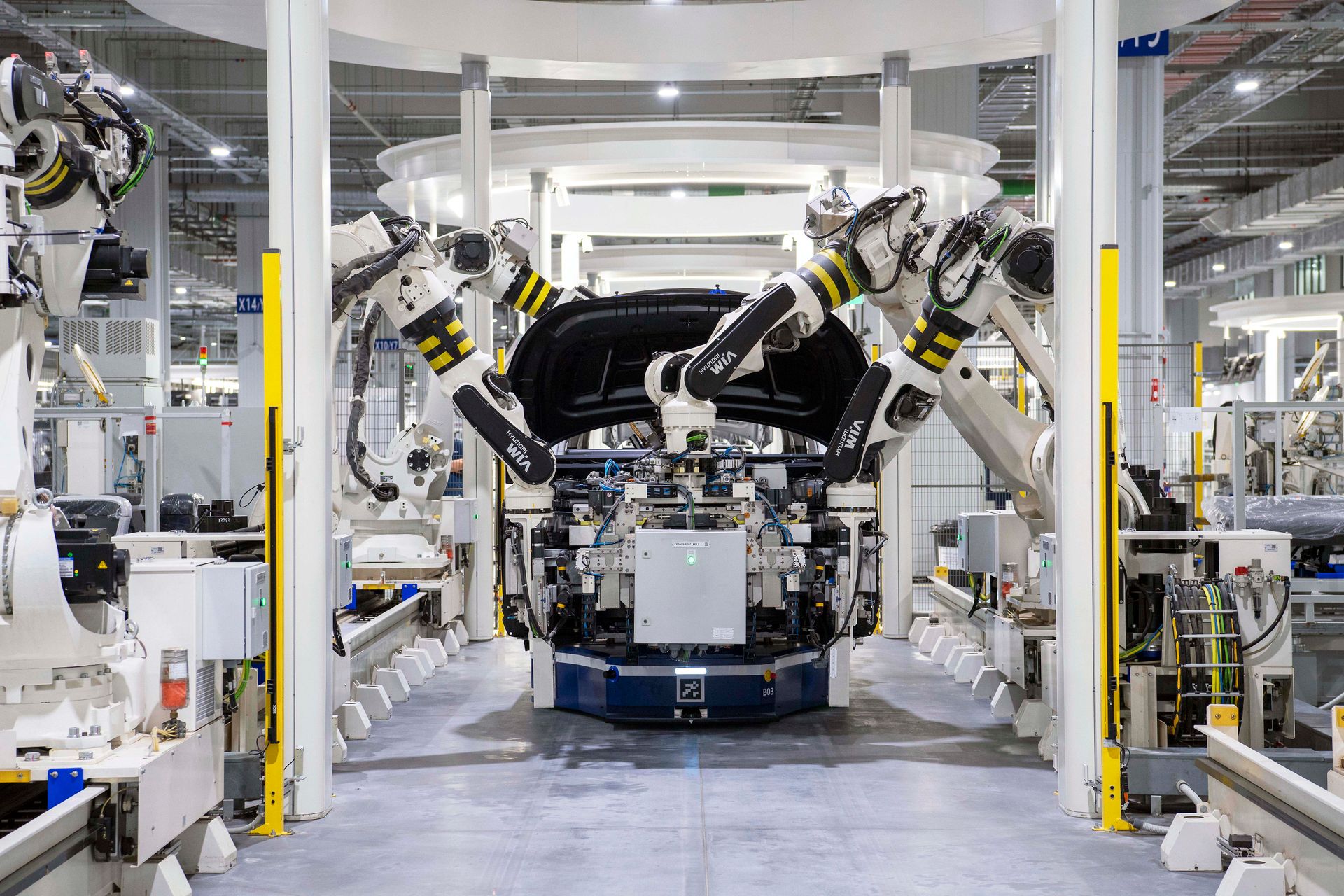
Honda taps veteran engineer to lead transformation after EV strategy pause
After putting its electric-vehicle investments on hold, Honda has handed corporate transformation to veteran engineer Eiji Fujimura. The appointment, following the company's first annual loss in 70 years, aims to rebuild the hybrid lineup and overhaul the cost base. Tokyo described the move as a strategic refresh.

Explosion at China fireworks factory kills 26 people
An explosion at a fireworks factory in Hunan province, China, killed 26 people and injured 61, according to state media reports.
China scraps tariffs for all but one African nation
China announced it has scrapped tariffs for almost all African nations. This move boosts China's soft power in African states, but may also deepen economic inequalities.