Pacific leaders launch joint fuel taskforce against Iran-war supply shocks
Eleven Pacific island leaders decided at an emergency summit in Suva to establish a joint fuel supply mechanism to address pressures from the Iran war on energy import chains. The plan includes joint procurement, strategic reserves and price protection instruments.
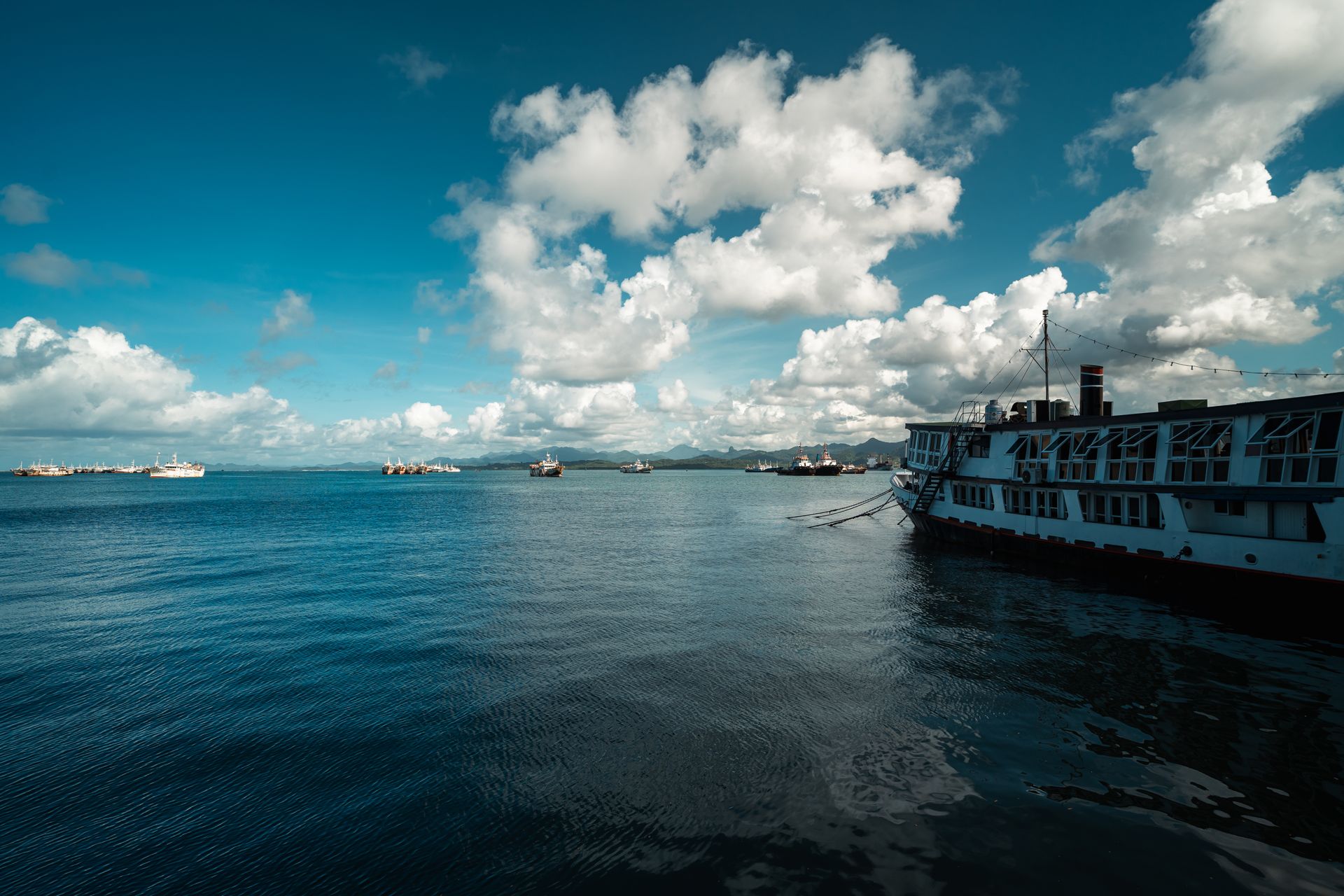
According to Pacific Islands Forum Secretary-General Baron Waqa's announcement in Suva, Fiji, Papua New Guinea, Samoa, Tonga, Vanuatu, Cook Islands and other member countries agreed on a joint fuel fund worth AU$600 million. The fund's core budget will be financed by Australia, New Zealand and Asian Development Bank resources.
Australia's Pacific Minister Pat Conroy said joint procurement contracts could reduce fuel unit costs for the Pacific region by 10-12%. The plan also envisages establishing three-month diesel reserves at Suva port in Fiji and Lae port in Papua New Guinea. Fuel prices across the Pacific have risen 18% this year due to the Iran conflict.
Vanuatu Prime Minister Charlot Salwai said supply disruptions would be unacceptable for the survival of the Pacific tourism sector. Asian Development Bank Vice President Bhargav Dasgupta said the mechanism could receive $200 million in initial support. The mechanism is targeted to be operational by mid-September.
More from Australia-Pacific

Air NZ boss defends new routes amid reduced services elsewhere
Air New Zealand CEO Greg Foran responded to criticism over three new international routes from Christchurch to Singapore, Tokyo and Perth. Foran said the cuts to Wellington and regional flights stem from Iran-war-driven fuel prices.
Aspiration has changed since the Howard era. This budget is finally catching up
Treasurer Jim Chalmers's 2026-27 budget proposes a sweeping reorientation of housing, childcare and education incentives. According to ABC analysis, the budget breaks with the middle-class identity of the John Howard era and refocuses on a younger generation of renting voters.

Tax changes 'threaten to chill' record federal green energy support
The Australian Taxation Office plan to narrow capital gains tax exemptions for renewable energy projects has drawn sharp investor pushback. The Clean Energy Investor Group warned that A$18 billion in investment could be deferred. The federal government's 2030 target of 82 percent renewable energy is at risk.