Russian economy contracts for the first time in three years as sanctions and war fatigue bite
Russia's economy contracted on a year-on-year basis in the first quarter, according to data released by Rosstat — the first decline since 2023. Lower oil revenues, war-driven labour shortages and the cumulative weight of Western sanctions are the main drivers. The Kremlin says its support measures are working, but the official figure points the other way.

Russia's federal statistics agency Rosstat reported that the economy contracted on a year-on-year basis in the first quarter of 2026 — the first such decline since 2023, when the early shocks from the war in Ukraine were absorbed. The data reflect both a drop in earnings from crude exports and the cooling effect of very high domestic interest rates on consumption and investment.
The Central Bank's hawkish stance is intended to anchor prices, but it is also acting as a brake on housing and capital spending. At the same time the war economy continues to pull soldiers and industrial workers out of civilian sectors, pushing labour costs higher. Pipeline gas sales to Europe remain at historically low levels, removing what used to be a stable revenue floor.
In a separate statement, President Vladimir Putin said the measures taken to support the economy were working. Independent economists, however, see the period ahead remaining difficult: even with elevated global oil prices, discounted quotas and higher shipping and insurance costs are eating into Russian exporters' margins. The 2026 budget direction signals further increases in defence spending and a more cautious posture on social outlays.
More from Europe

Turkey calls on Israel to avoid escalation in Syria and to help preserve the existing ceasefire
Turkey's Foreign Ministry called on Israel to scale back its military activity in Syria and to contribute to the preservation of the existing regional ceasefire. The statement described recent Israeli air strikes on Syrian territory as unacceptable. The message came on the same day the UN Security Council also urged an end to Israeli violations in Syria.

CBRT April Inflation Assessment: Annual inflation rises to 32.37 percent
The Turkish Central Bank released its April inflation assessment, showing consumer prices rose 4.18 percent month-on-month, while annual inflation climbed to 32.37 percent—up 1.50 percentage points. Energy prices surged 14.4 percent, with the underlying trend moving higher.
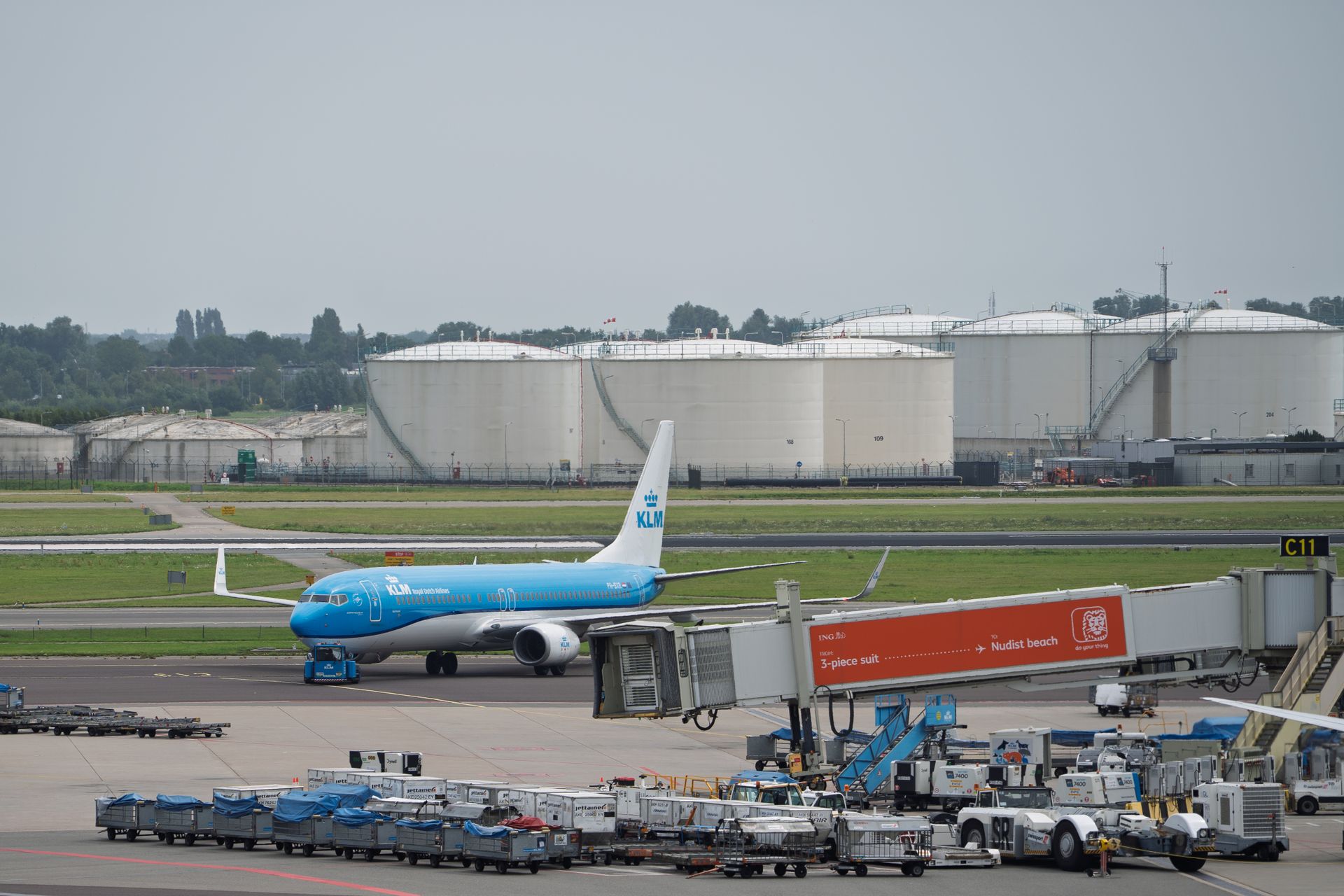
Airlines can cancel flights in advance over fuel shortages under new plans
Under new UK government plans, airlines can cancel flights in advance due to fuel shortages rather than wait until the last minute. This allows passengers time to rebook and make alternative arrangements.