Turkey's industry adds nearly $250 billion in annual value, minister says
Turkey's industry and technology minister Mehmet Fatih Kacir said domestic industry's annual value-added has approached 250 billion dollars. He added that the country's share in medium-high and high-technology exports continues to rise.

Industry and Technology Minister Mehmet Fatih Kacir spoke at an evaluation meeting on the implementation of national industry policy. He said incentive and transformation programmes rolled out in recent years had pushed the annual value-added of Turkish industry close to the 250-billion-dollar mark.
Kacir said productivity was rising in lead sectors such as automotive, defence, white goods and electronics, and that the share of high-tech goods in total manufacturing exports was approaching 5 percent. New planned investments in semiconductor and battery supply chains, he said, would come on stream over the next three years.
Business associations called the figures a strong sign of progress, but warned that high financing costs risk slowing fresh manufacturing capital expenditure. They argued that the central bank's clarity on the rate path at its next monetary policy committee meeting will be critical for the capex plans of industrial companies.
More from Europe

Pezeshkian: Negotiation does not mean surrender
Iranian President Masoud Pezeshkian has said his country's calls for negotiation and dialogue do not amount to surrender. Speaking in Tehran, he insisted that all available resources were being mobilised to repair the damage caused by the war.

CBRT April Inflation Assessment: Annual inflation rises to 32.37 percent
The Turkish Central Bank released its April inflation assessment, showing consumer prices rose 4.18 percent month-on-month, while annual inflation climbed to 32.37 percent—up 1.50 percentage points. Energy prices surged 14.4 percent, with the underlying trend moving higher.
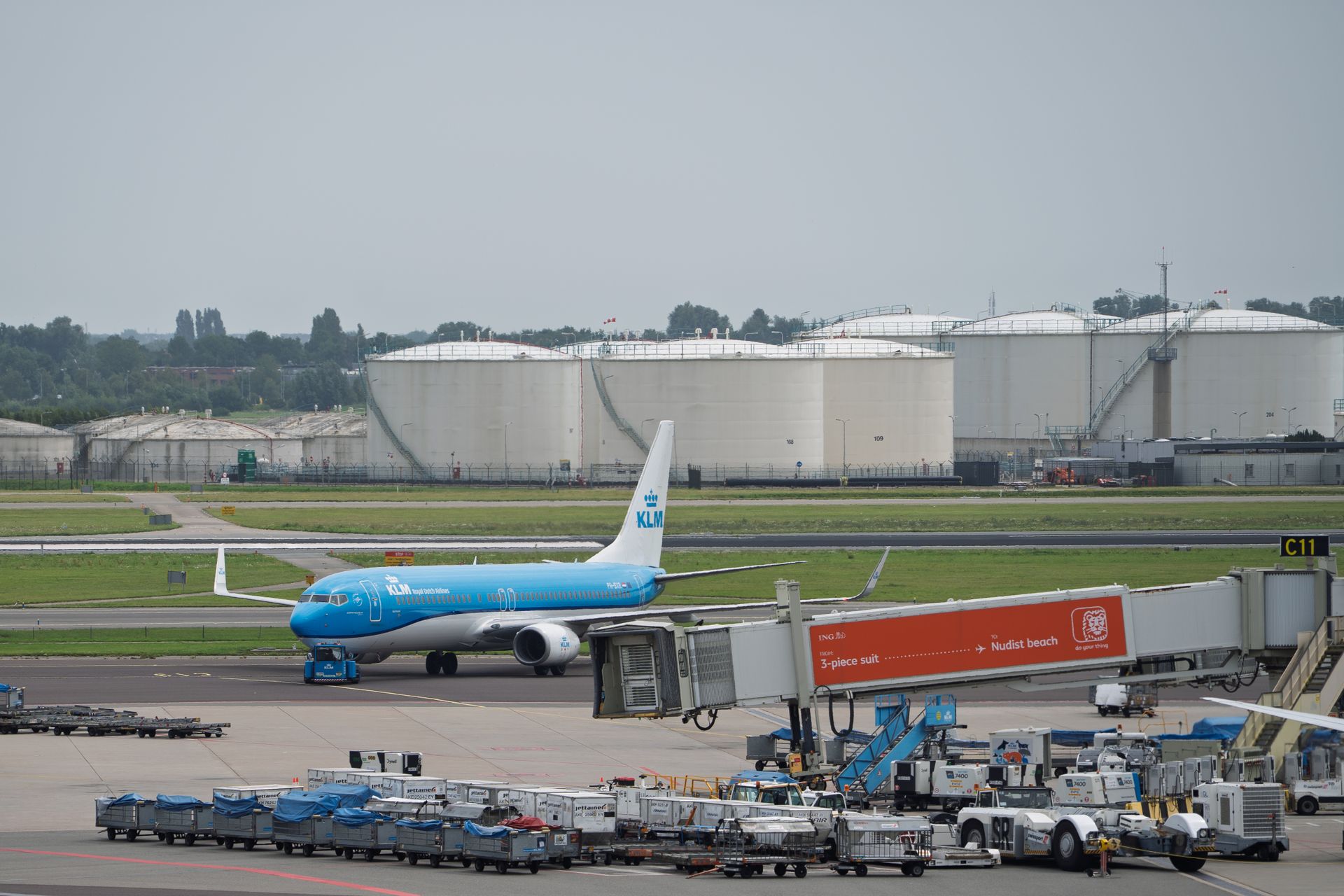
Airlines can cancel flights in advance over fuel shortages under new plans
Under new UK government plans, airlines can cancel flights in advance due to fuel shortages rather than wait until the last minute. This allows passengers time to rebook and make alternative arrangements.