Trump postpones AI executive order signing, citing reservations
President Donald Trump said he has postponed signing an executive order that would have set voluntary AI commitments. 'I didn't like certain aspects,' he told reporters, signalling further revisions before any final text.
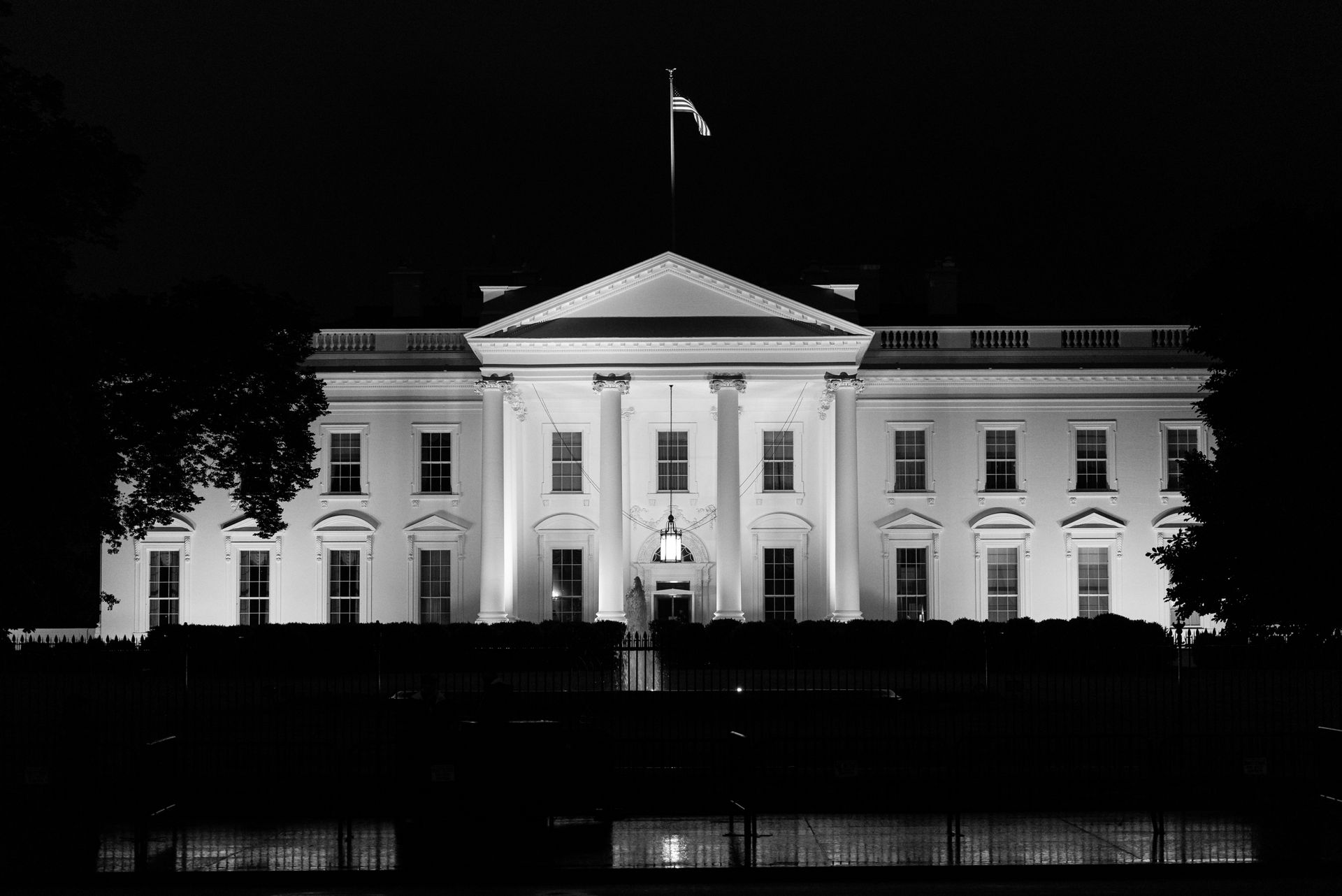
US President Donald Trump abruptly postponed the signing of his much-anticipated executive order on artificial intelligence, telling reporters he 'didn't like certain aspects' of the text. The draft would have introduced voluntary commitments by major AI developers around safety testing and content moderation. Trump said the order would be revised before any final signing.
The pause comes at a pivotal moment for US AI policy. Officials close to the White House say Trump is reluctant to approve any framework that could blunt American competitiveness against China's rapidly expanding model and chip ecosystem. Companies including Anthropic, OpenAI and Google had been pressing for a clearer federal baseline.
Markets read the delay as short-term relief for tech firms, with the Nasdaq finishing modestly higher. Analysts warned, however, that prolonged regulatory ambiguity could complicate longer-term compliance planning. Senators from both parties said they would press the White House to clarify enforcement powers and timelines once a revised draft emerges.
More from North America

Trump tells Warsh to be 'totally independent' as Fed chair: 'Don't look at me'
At the White House swearing-in ceremony, President Trump told new Fed Chair Kevin Warsh to be 'totally independent — don't look at me.' The statement contrasts with Trump's months of public criticism of former Chair Powell. Markets reacted cautiously; the 10-year Treasury yield eased to 4.42 percent.

UAE says OPEC exit was a strategic economic move, not political
The United Arab Emirates said its decision to leave OPEC was a strategic economic choice rather than a political one. Officials told CNBC the move lets the country deploy spare production capacity freely and align output with its energy diversification plans.

US consumer sentiment hits fresh record low in May as Iran war fuels inflation worries
The University of Michigan's May Consumer Sentiment Index fell to 50.8, the lowest reading since records began in 1952. Households fear the U.S.-Iran war and oil prices above $100 will fuel inflation. The one-year inflation expectation jumped to 6.2 percent.