International court backs Pakistan's position on Indus Waters Treaty
The Permanent Court of Arbitration in The Hague has issued an interim ruling backing Pakistan's position in the India-Pakistan dispute over the suspension of the Indus Waters Treaty. The decision marks a new phase in the water-sharing controversy.

The Permanent Court of Arbitration in The Hague has issued an interim ruling on the Indus Waters Treaty, which India announced last year it was unilaterally suspending. According to the ruling, India's unilateral suspension is incompatible with the 1960 treaty; the issue must be addressed through the dispute-resolution mechanism the treaty itself sets out.
The court also reminded India to avoid unilateral infrastructure decisions that would compromise binding flow guarantees to Pakistan. India's foreign ministry rejected the ruling, saying it exceeded the court's mandate and infringed on its sovereign rights.
Pakistan, a country of more than 240 million, depends on Indus basin waters for roughly two-thirds of its arable land. The ruling brings the water-sharing dispute back onto an international legal footing at a moment when India-Pakistan relations have been under strain.
More from Asia

India may tighten capital controls to halt rupee slump, Citi says
A Citigroup report forecasts that the Reserve Bank of India is preparing to tighten capital outflow controls after the rupee weakened 7.2 percent against the dollar in the past six months. Likely measures include lowering individual foreign exchange transfer limits and exporter income repatriation rules.
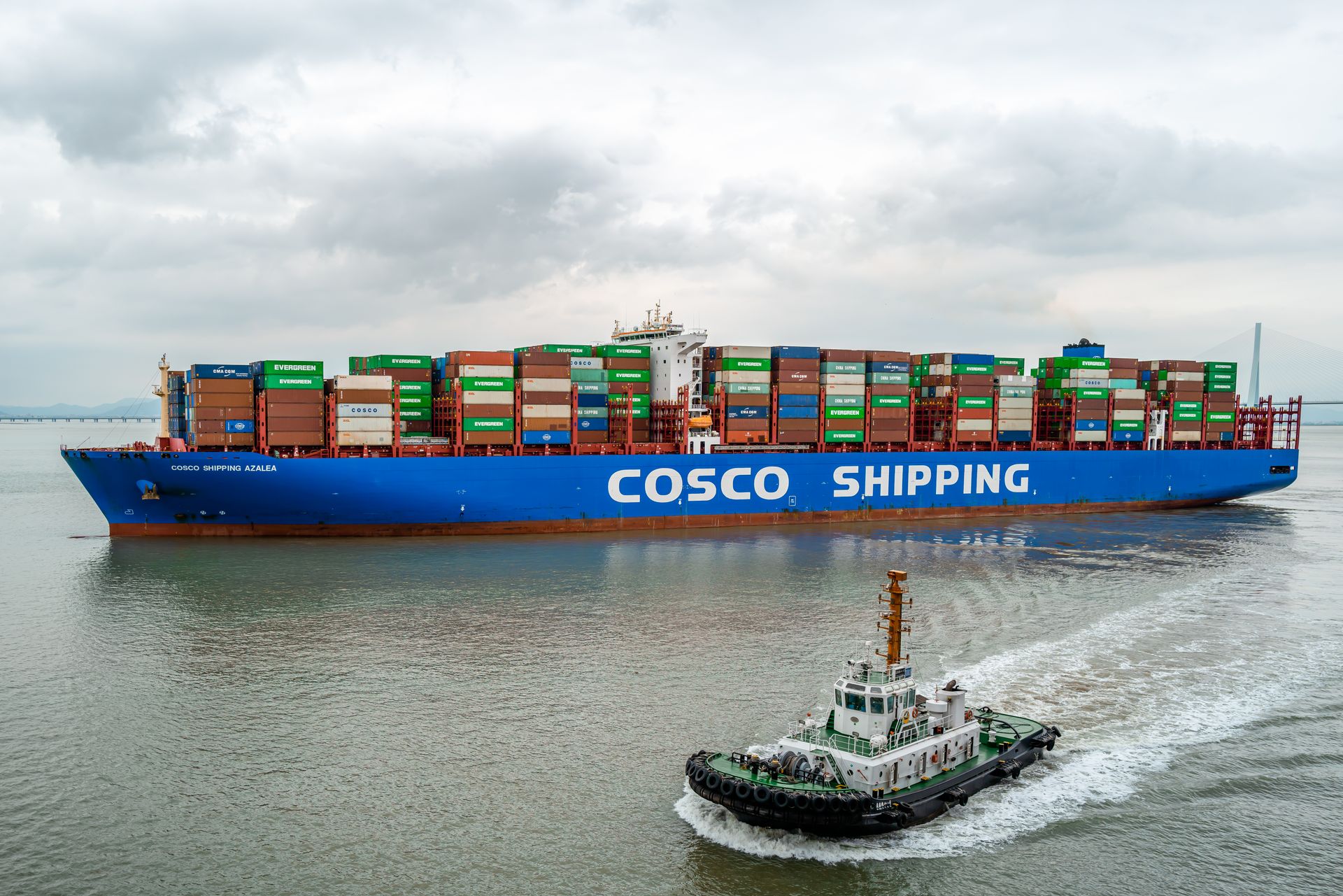
Japan to bolster sea lane defence with Southeast Asia info-sharing plan
Japan will set up a broad maritime information-sharing framework with Southeast Asian countries, led by the Philippines, Vietnam and Indonesia. With the Hormuz crisis and South China Sea tensions in the background, Tokyo is moving to protect critical trade lanes.

Meta cuts 8,000 jobs, including more than 100 in Singapore, in AI-driven efficiency push
Meta Platforms has begun cutting roughly 8,000 jobs globally. According to former employees, more than 100 positions in Singapore are affected. CEO Mark Zuckerberg cited efficiency gains and artificial intelligence-driven automation as the primary rationale.