How Sir David Attenborough Built 'Green Hollywood'
The English city of Bristol has become the hub for an estimated 80% of the world's natural history TV shows. The cluster around the BBC Natural History Unit employs thousands and now supports a wider ecosystem ranging from AI-driven camera systems to green investment funds.
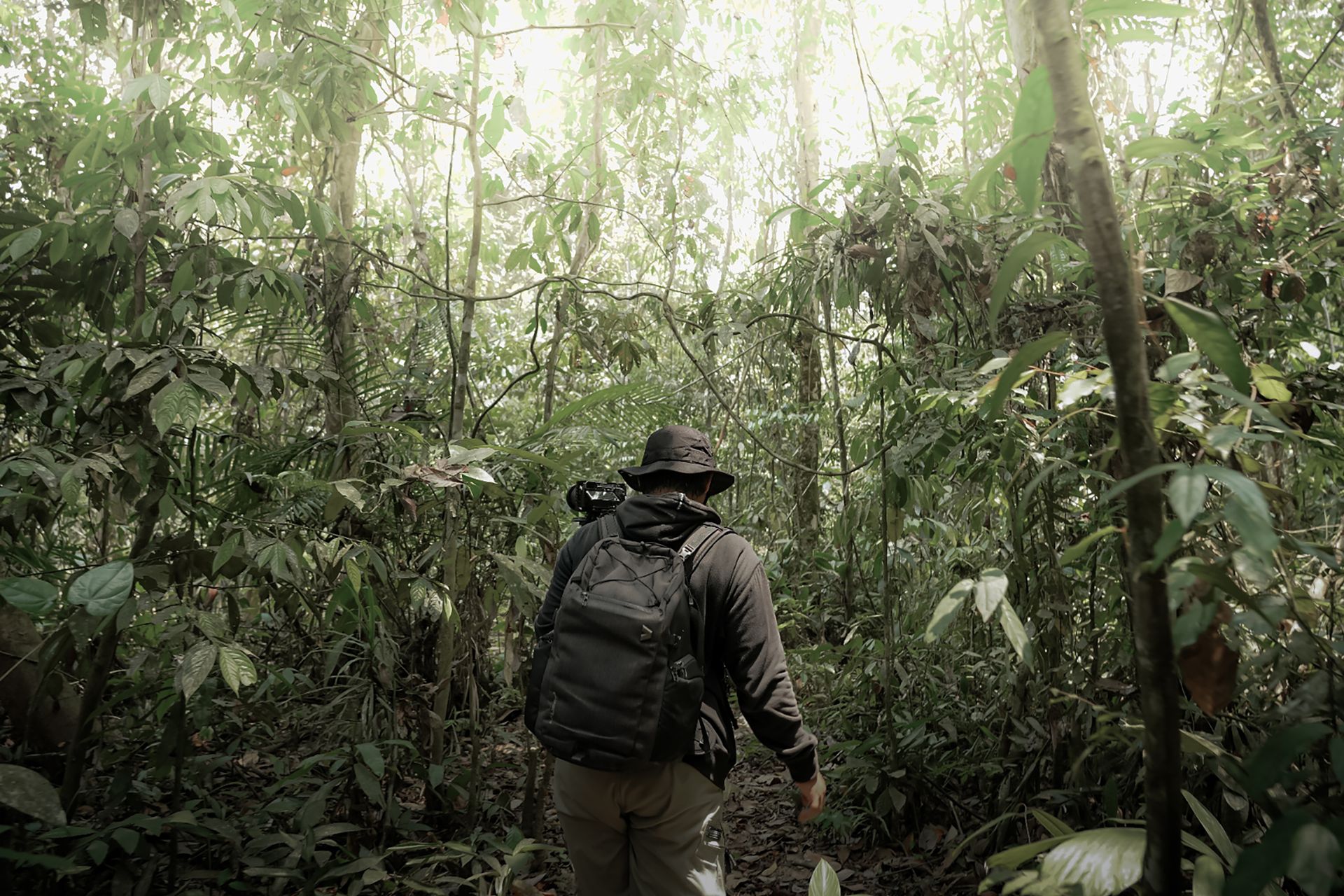
Just as Hollywood is synonymous with Los Angeles, around 80% of the world's natural history programmes are now made in a single city, Bristol. Sir David Attenborough's decades-long BBC career laid the foundations of this cluster; today the BBC Natural History Unit is surrounded by independent studios, post-production houses and specialist equipment makers.
The industry has grown fast over the past decade. Streaming platforms such as Netflix, Apple TV+ and Disney+ have begun commissioning high-budget nature series. Bristol-based producers are deepening their expertise in AI-driven camera tracking, drone cinematography and underwater technology.
The local economy has benefited handsomely. The University of Bristol's wildlife filmmaking master's programme works closely with the production sector, creating a two-way pipeline of talent. Officials project that green-themed investment funds and sustainable tourism ventures will deliver more than £1 billion of additional revenue over the next three years.
More from South America

Mexican Parents Criticise Ending the School Year a Month Early for World Cup
The Mexican government has decided to end the 2025-2026 school year a month early to ease preparations and travel for the FIFA World Cup in June and July. Parents are protesting the move, citing academic losses and extra costs for summer childcare.

Three dead after monster truck crashes into crowd
A monster truck crashed into a crowd at a show in Colombia, killing at least three people and injuring 38. The incident raises fresh concerns about public safety at large events.

Colombia announces record $1.4 million bounty for rebel leader blamed in bomb attack
Colombia's government announced a record $1.4 million bounty for a rebel commander known as "Marlon," blamed for orchestrating a bomb attack that killed 20 people. The extraordinary reward underscores the government's intensified campaign against armed groups destabilizing the nation.