Cyclospora: what travelers should know about the parasite behind severe diarrheal illness

Health officials are warning summer travelers about an intestinal infection caused by a parasite called cyclospora, as the peak holiday travel season gets underway. The illness, while generally treatable, is described as an uncomfortable condition that tends to occur more frequently in warm climates and certain popular travel destinations.
Cyclospora cayetanensis is a single-celled parasite that causes an intestinal infection in humans known as cyclosporiasis. The parasite is typically transmitted when fresh fruit, vegetables or water become contaminated with feces containing the parasite's oocysts, egg-like structures that allow it to spread. The risk of transmission increases when adequate hygiene is not maintained during the production, processing or transport of food.
The illness's most distinctive symptom is severe diarrhea, which experts describe as watery and frequent. Other symptoms can include abdominal cramping, loss of appetite, weight loss, bloating, nausea and fatigue. Symptoms typically appear about a week after exposure and, if untreated, can last for weeks or, in some cases, months.
Experts attribute the seasonal rise in cyclospora cases during summer and the travel season to several factors. Warm weather conditions create an environment in which the parasite can survive longer outside the body. Additionally, the increase in international travel during summer months means more people are exposed to fresh produce and water sources in regions where the parasite is more common.
Regions historically associated with higher prevalence of the parasite include certain tropical and subtropical countries, though the complexity of global food supply chains means infections can also occur in people who have not traveled, via imported fresh produce. This can sometimes make it more difficult for public health officials to trace the source of an outbreak.
Health experts recommend several practical precautions for travelers. These include thoroughly washing fresh fruit and vegetables, peeling produce where possible, avoiding questionable water sources, and drinking only water that is reliably boiled or bottled. It is also advised to pay attention to how food is prepared and stored, particularly avoiding raw vegetable salads of uncertain origin.
Diagnosis is made through laboratory analysis of a stool sample, though detecting the parasite can sometimes be difficult because oocysts are shed irregularly in stool. For this reason, people experiencing suspicious symptoms are advised to inform their doctor of any recent travel history, as this information can help speed accurate diagnosis and treatment.
Treatment typically involves a specific combination of antibiotics and is effective in most patients. However, the infection can last longer and require closer medical follow-up in people with weakened immune systems. Experts advise seeking medical attention for diarrhea that persists for an extended period, even if symptoms initially seem mild.
Health officials emphasize that this warning is being shared as practical guidance rather than as an alarmist message. Cyclosporiasis, in most cases, does not lead to serious long-term health problems, though it can be an uncomfortable condition that disrupts travel plans. Officials note that simple hygiene and food-safety measures can substantially reduce the risk.
Read next
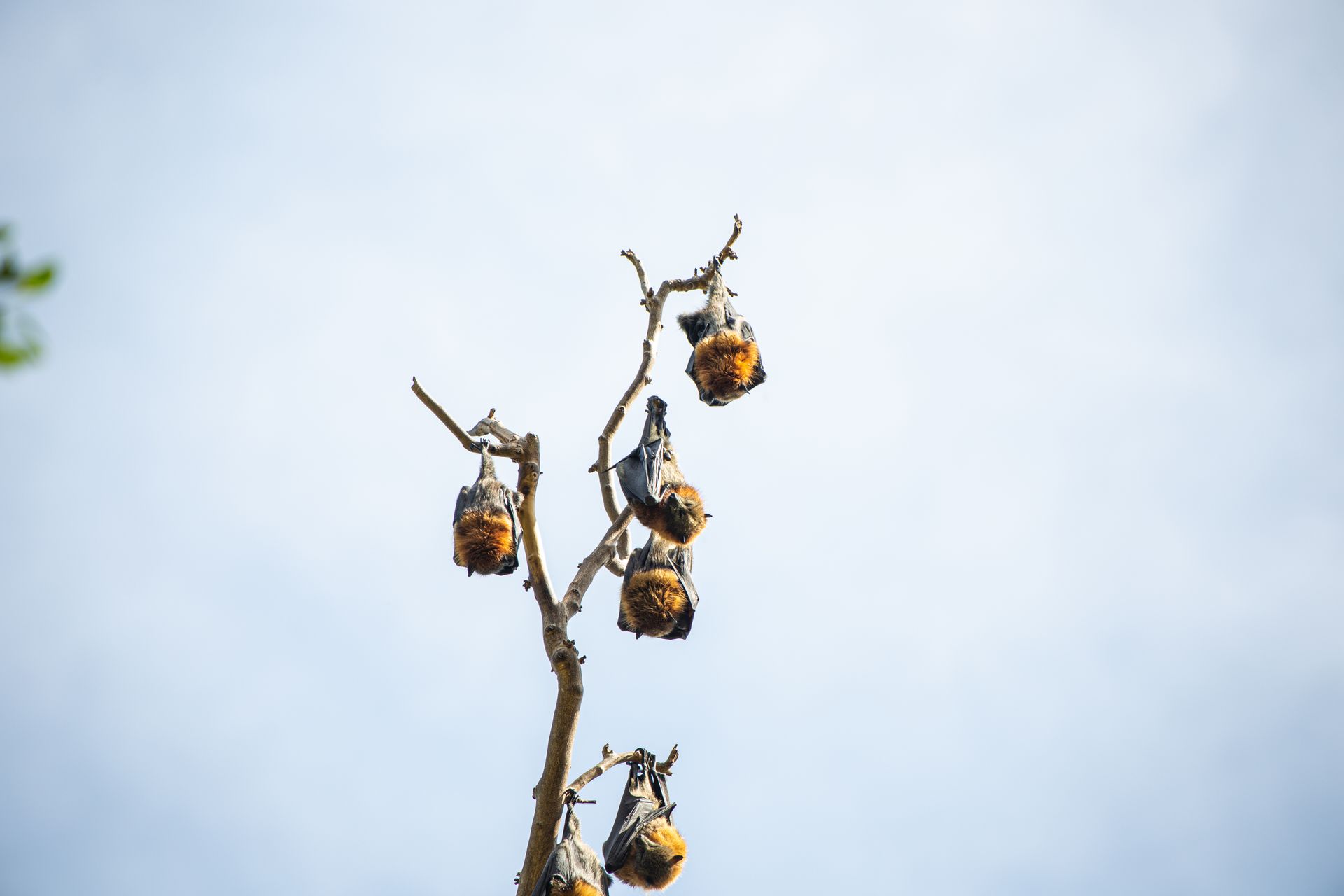
A mysterious virus started killing horses, then humans: what Hendra taught scientists about zoonotic spillover
A mysterious virus that began killing horses, and then people, in 1990s Australia fundamentally reshaped how scientists understand diseases that jump from bats to other species. Adapted from a new book, this piece traces how researchers came to view the Hendra virus as a case study that foreshadowed today's coronavirus spillover science.

Michigan Supreme Court ruling allows state probe into Eli Lilly's insulin pricing
A ruling by the Michigan Supreme Court has cleared the way for state officials to investigate pharmaceutical company Eli Lilly's insulin pricing practices. The decision marks a significant development on the legal front of a long-running debate over insulin affordability in the United States.

RFK Jr urges US families to vaccinate children against measles amid outbreak
US Health Secretary Robert F. Kennedy Jr. has called on families to vaccinate their children against measles amid an active outbreak, a statement reported as notable given his long-standing association with vaccine skepticism. The United States has experienced periodic measles outbreaks in recent years tied to declining vaccination rates.

Why does poor sleep harm some brains more than others?
Researchers are working to explain why poor sleep appears to take a heavier toll on some people's brains than others. Emerging evidence points to individual variation in the brain's overnight waste-clearance system, along with genetic and age-related factors that may shape long-term vulnerability.

Protein and aging: could eating less protein slow the aging process?
A major review of existing research examines whether reducing protein intake could slow biological aging by dampening growth-signaling pathways linked to cell division and repair. Researchers caution the evidence is largely observational and animal-based, and stress that older adults may need more protein, not less, to guard against muscle loss.