A mysterious virus started killing horses, then humans: what Hendra taught scientists about zoonotic spillover
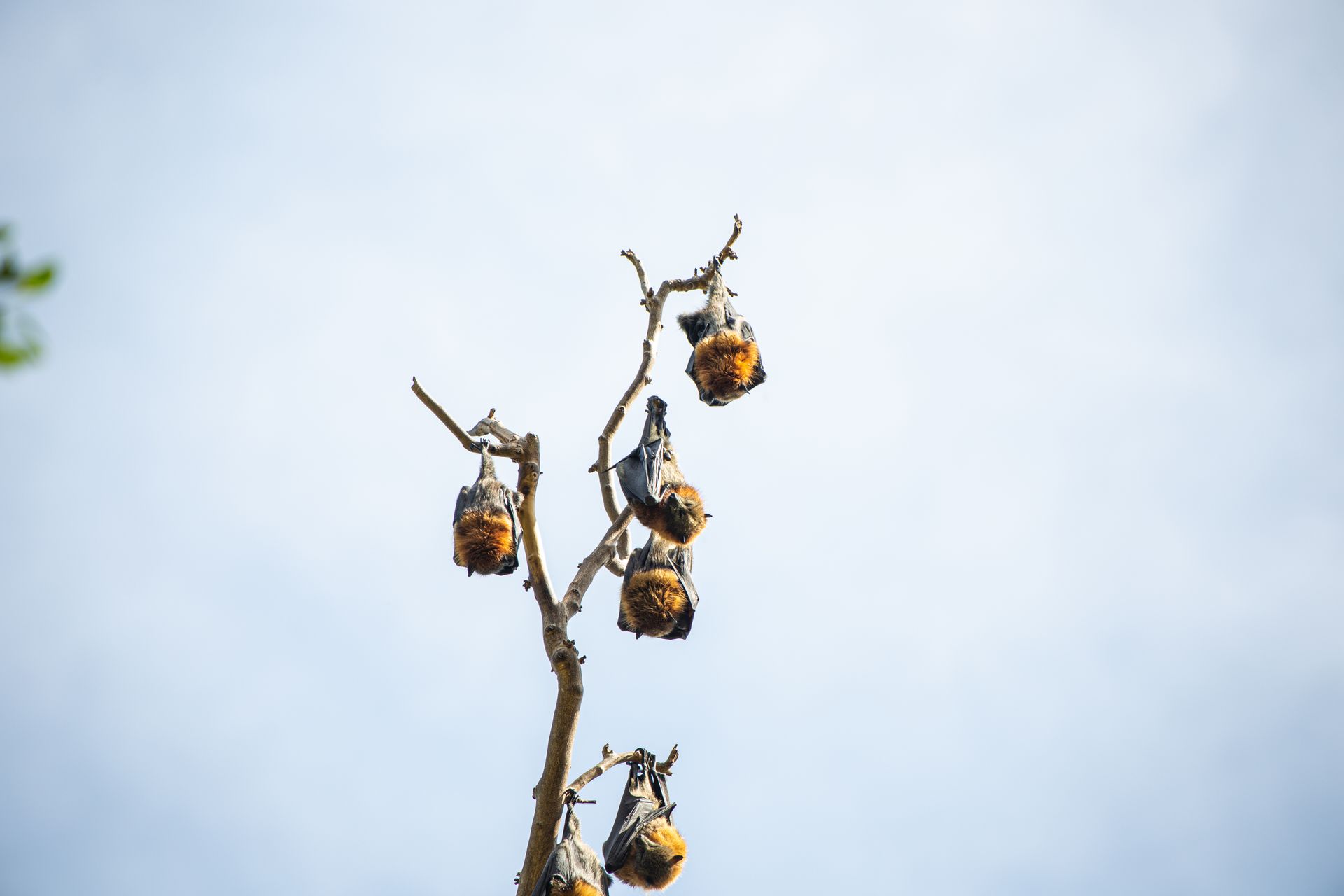
In 1994, in Hendra, a suburb of Brisbane, Australia, a group of racehorses suddenly began dying from an unexplained illness. Shortly afterward, a horse trainer who had been in close contact with the animals fell ill with the same mysterious disease and died. The virus responsible, never before encountered by science, was later named after the location where the outbreak occurred: the Hendra virus.
Adapted from a new book, this account describes how the event became a puzzle for scientists. As researchers traced the virus's origin, the trail eventually led to flying foxes — large fruit bats that play an important ecological role in Australia and were found to carry the virus without becoming sick themselves.
According to scientists, the virus's jump from bats to horses and then from horses to humans is a textbook example of a process known as zoonotic spillover. The term describes situations in which a pathogen that normally resides in one animal species, typically without causing illness there, crosses over into another species — sometimes via an intermediate host, sometimes directly — where it can cause serious disease.
Researchers began to ask why bats can carry such viruses without becoming ill. Scientific studies suggest that bats' immune systems evolved to cope with the high metabolic stress generated during flight, an adaptation that may have also produced a unique tolerance to viral infection. This characteristic is thought to make bats a natural reservoir for many zoonotic viruses.
Although the Hendra virus case was viewed at the time as a relatively isolated event, scientists now regard it, in hindsight, as an early signal of a much broader pattern. According to the book's author and researchers in the field, expanding human populations, deforestation and the shrinking of wildlife habitats are bringing people into more frequent contact with animal populations — and the pathogens they carry — that humans previously rarely encountered.
Researchers note that the study of the Hendra virus helped lay groundwork for understanding other bat-borne viruses that emerged in subsequent years, including the Nipah virus and later certain pathogens from the coronavirus family. Within the scientific community, Hendra is cited as one of the precursors of today's science of zoonotic spillover; experts stress, however, that this should be read as a case study and early warning sign rather than a direct causal claim that it "started" the coronavirus era.
Lessons drawn from the Hendra virus outbreak are contributing directly to the design of animal-to-human disease surveillance systems today. Scientists argue that regularly monitoring wildlife populations, particularly bat colonies, and detecting potential spillover events early are critical to preventing future outbreaks.
A horse vaccine developed in Australia following the outbreak became one of the first commercial vaccines to protect animals against the Hendra virus. The vaccine is designed to break the chain of transmission from the virus to humans via horses, and is cited as an example of preventive intervention against zoonotic disease from a public health standpoint.
According to the book's narrative, the Hendra virus case serves as an early lesson for scientists — a reminder that imbalances created by human activity in complex natural ecosystems can produce unexpected, and sometimes fatal, consequences. Researchers emphasize that case studies of this kind should remain central to efforts to prepare for future outbreaks.
Read next

Michigan Supreme Court ruling allows state probe into Eli Lilly's insulin pricing
A ruling by the Michigan Supreme Court has cleared the way for state officials to investigate pharmaceutical company Eli Lilly's insulin pricing practices. The decision marks a significant development on the legal front of a long-running debate over insulin affordability in the United States.

RFK Jr urges US families to vaccinate children against measles amid outbreak
US Health Secretary Robert F. Kennedy Jr. has called on families to vaccinate their children against measles amid an active outbreak, a statement reported as notable given his long-standing association with vaccine skepticism. The United States has experienced periodic measles outbreaks in recent years tied to declining vaccination rates.

Cyclospora: what travelers should know about the parasite behind severe diarrheal illness
Health officials are warning summer travelers about cyclospora, a parasite typically linked to contaminated fresh produce and water in popular travel destinations. The infection can cause severe and prolonged diarrheal illness, and experts are urging practical hygiene and food-safety precautions.

Why does poor sleep harm some brains more than others?
Researchers are working to explain why poor sleep appears to take a heavier toll on some people's brains than others. Emerging evidence points to individual variation in the brain's overnight waste-clearance system, along with genetic and age-related factors that may shape long-term vulnerability.

Protein and aging: could eating less protein slow the aging process?
A major review of existing research examines whether reducing protein intake could slow biological aging by dampening growth-signaling pathways linked to cell division and repair. Researchers caution the evidence is largely observational and animal-based, and stress that older adults may need more protein, not less, to guard against muscle loss.