RFK Jr urges US families to vaccinate children against measles amid outbreak

US Health and Human Services Secretary Robert F. Kennedy Jr. has called on families across the country to vaccinate their children against measles amid an ongoing outbreak. According to reporting, the statement drew particular attention because Kennedy has long been associated with skepticism toward vaccine safety in the years before he took office.
Reports note that Kennedy previously raised claims suggesting a possible link between vaccines and autism and has been connected to groups skeptical of vaccination, claims that have been repeatedly disproven by scientific research. That history has led observers to view his current call for vaccination, now made in his capacity as health secretary, as a notable development.
The current measles outbreak is seen as part of a recurring pattern in the United States in recent years. Health experts note that vaccination rates for the measles vaccine — the MMR vaccine, which protects against measles, mumps and rubella — have declined in some communities, creating conditions in which the virus can spread again in areas where community immunity has broken down. When vaccination rates fall below the threshold needed for community immunity, the virus is known to spread rapidly, particularly among unvaccinated children.
Measles is a highly contagious viral illness that presents with fever, rash, cough and red, watery eyes. While most cases resolve on their own, the disease can lead to serious complications including pneumonia and brain inflammation, and rarely death, particularly among young children and people with weakened immune systems.
According to reporting, Kennedy's statement came amid a broader public debate over vaccine policy. Some health experts have said that a health secretary encouraging vaccination represents a positive step for public health, while some observers have questioned how the statement squares with his past positions. These assessments reflect the range of perspectives captured in reporting on the matter.
Public health organizations have long emphasized that the MMR vaccine is highly effective against measles, and that immunity lasts for many years once two doses have been administered. The vaccine has been used worldwide for decades, and its safety profile has been examined in numerous large-scale studies. Health officials recommend that children be vaccinated according to the age-appropriate immunization schedule.
Experts note that the decline in vaccination rates has multiple causes, including exposure to misinformation, inequities in access to healthcare, and concerns some families hold about vaccine safety. This complex picture suggests that a single statement is unlikely to immediately shift vaccination rates, though consistent messaging from public figures is thought to have an effect over the longer term.
The course of the outbreak is being closely monitored by local and federal health authorities. Should case counts continue to rise, additional vaccination campaigns in schools and community centers are considered likely. Health officials stress that early diagnosis, contact tracing and rapid vaccination are critical to limiting the size of the outbreak.
The development once again raises the complex relationship between vaccine policy and public trust in the United States. Reporting will continue to track how Kennedy's call is received and how it might influence future vaccine policy; for now, the statement stands on the record as an official message supporting vaccination during an active outbreak.
Read next
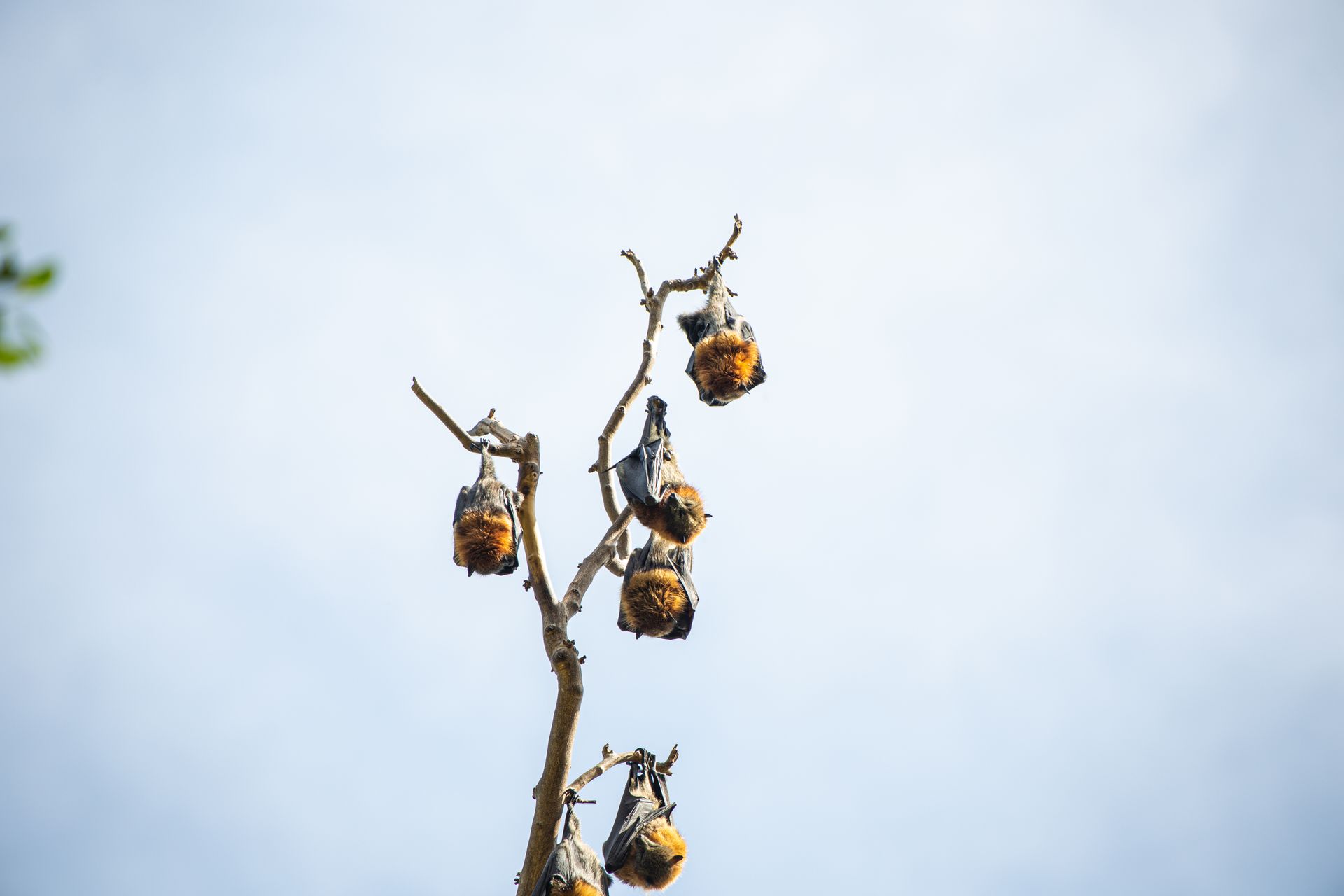
A mysterious virus started killing horses, then humans: what Hendra taught scientists about zoonotic spillover
A mysterious virus that began killing horses, and then people, in 1990s Australia fundamentally reshaped how scientists understand diseases that jump from bats to other species. Adapted from a new book, this piece traces how researchers came to view the Hendra virus as a case study that foreshadowed today's coronavirus spillover science.

Michigan Supreme Court ruling allows state probe into Eli Lilly's insulin pricing
A ruling by the Michigan Supreme Court has cleared the way for state officials to investigate pharmaceutical company Eli Lilly's insulin pricing practices. The decision marks a significant development on the legal front of a long-running debate over insulin affordability in the United States.

Cyclospora: what travelers should know about the parasite behind severe diarrheal illness
Health officials are warning summer travelers about cyclospora, a parasite typically linked to contaminated fresh produce and water in popular travel destinations. The infection can cause severe and prolonged diarrheal illness, and experts are urging practical hygiene and food-safety precautions.

Why does poor sleep harm some brains more than others?
Researchers are working to explain why poor sleep appears to take a heavier toll on some people's brains than others. Emerging evidence points to individual variation in the brain's overnight waste-clearance system, along with genetic and age-related factors that may shape long-term vulnerability.
Protein and aging: could eating less protein slow the aging process?
A major review of existing research examines whether reducing protein intake could slow biological aging by dampening growth-signaling pathways linked to cell division and repair. Researchers caution the evidence is largely observational and animal-based, and stress that older adults may need more protein, not less, to guard against muscle loss.