Always Tired? 9 Surprising Reasons and What to Do About It

Feeling exhausted even after a full night's sleep is one of the most common complaints people bring to doctors, and the reasons rarely come down to a single cause. Fatigue can stem from subtle problems with sleep environment, diet, activity levels or underlying health conditions that go undiagnosed for years. Below are nine of the most common, medically grounded reasons people feel persistently tired, along with a practical step for addressing each one.
1. Your bedroom air quality is working against you. A typical closed bedroom can see carbon dioxide levels climb from roughly 500 parts per million to 1,500–2,500 ppm by early morning as two sleepers breathe through the night, and research has linked CO2 concentrations above roughly 1,000 ppm to measurably reduced sleep efficiency and more nighttime awakenings. The fix is simple: crack a window two or three centimeters, or run a fan that exchanges air with the hallway or outdoors, and many people notice they wake less groggy within days.
2. Your sleep schedule is inconsistent. Going to bed and waking up at different times on weekdays versus weekends — sometimes called "social jet lag" — confuses the body's circadian rhythm even if total sleep hours look adequate on paper. Sleep researchers generally recommend keeping wake times within about an hour of each other every day, weekends included, since a stable wake time anchors the body clock more effectively than a fixed bedtime alone.
3. You're not eating enough fiber. Diets low in fiber are associated with faster spikes and crashes in blood sugar after meals, which can produce the midafternoon energy slump many people mistake for general tiredness; fiber slows digestion and evens out that glucose response. Adding a serving of legumes, whole grains, or vegetables to lunch is an easy way to move toward the roughly 25–30 grams a day most nutrition guidelines recommend for adults.
4. You're mildly dehydrated without realizing it. Even a fluid loss of around 1–2% of body weight — easy to reach without noticing, especially in warm weather or with regular coffee intake — has been shown in studies to reduce alertness and increase perceived fatigue. Keeping a water bottle at your desk and drinking a full glass with each meal is a low-effort habit that measurably helps.
5. You're moving too little during the day. It seems counterintuitive, but prolonged sitting is consistently linked to lower energy levels, while short bouts of movement — even a 10-minute walk — have been shown to boost alertness more reliably than a cup of coffee in some studies. Setting a reminder to stand and move for a few minutes every hour can meaningfully cut the midday slump.
6. You may have low iron levels. Iron-deficiency anemia is one of the most common medical causes of chronic fatigue, particularly among menstruating women, and often develops gradually enough that people adapt to feeling tired without realizing anything is wrong. A simple blood test can check ferritin and hemoglobin levels, and if levels are low, a doctor can advise on dietary changes or supplementation rather than guessing.
7. Your thyroid could be underactive. Hypothyroidism slows the body's metabolism and is a well-established cause of persistent fatigue, along with symptoms like weight gain, feeling cold, and dry skin; because the onset is usually gradual, many people live with it for months before connecting the dots. It is diagnosed with a straightforward blood test and, once identified, is generally very manageable with treatment.
8. You're getting too much screen light before bed. Bright screens in the hour before sleep suppress melatonin production and can delay the body's natural signal to wind down, even if the content itself isn't stimulating. Dimming screens, switching on a device's night mode, or simply reading on paper for the last 30 minutes before bed is one of the most consistently effective changes sleep specialists recommend.
9. You could have undiagnosed sleep apnea. Obstructive sleep apnea causes repeated brief awakenings throughout the night that many people never remember, so they wake up believing they slept a full eight hours while actually getting fragmented, poor-quality rest; loud snoring, morning headaches, and daytime sleepiness despite adequate time in bed are common warning signs. It's a condition worth raising with a doctor rather than dismissing, since it's both underdiagnosed and treatable, often significantly improving energy levels once addressed.
Read next

APOE2 Gene: How It May Protect the Brain From Alzheimer's
APOE2 is a naturally occurring variant of the APOE gene that has long been linked to a reduced risk of Alzheimer's disease, in contrast to the higher-risk APOE4 variant. New research suggests APOE2 may protect brain cells by limiting DNA damage and helping neurons recover from stress, offering scientists a possible template for future treatments.

Merck Signs Voluntary Licensing Deals for Experimental HIV Prevention Pill
Merck has signed voluntary licensing agreements allowing generic manufacturers in lower-income countries to produce its experimental oral HIV prevention pill. The deals aim to speed access in high-burden countries while the drug remains under regulatory review, though approval timelines and production scale-up remain uncertain.

Senate panel advances bipartisan ultra-processed food warning label bill
A Senate committee has advanced a bipartisan bill that would require front-of-package warning labels on ultra-processed foods and restrict advertising of junk food to children. The measure brought together Republicans, some aligned with the 'Make America Healthy Again' movement, and Democrats who have long pushed for stricter food regulation. The bill now heads toward a full Senate vote.

Why heatwaves trigger anxiety, and how to cope with the stress
Extreme heat can take a measurable toll on mental health, with young people and women among the groups most at risk of feeling anxious or 'incredibly helpless,' according to research on heat and wellbeing. This guide explains why rising temperatures affect mood and anxiety, and sets out practical strategies for managing heat-related distress.
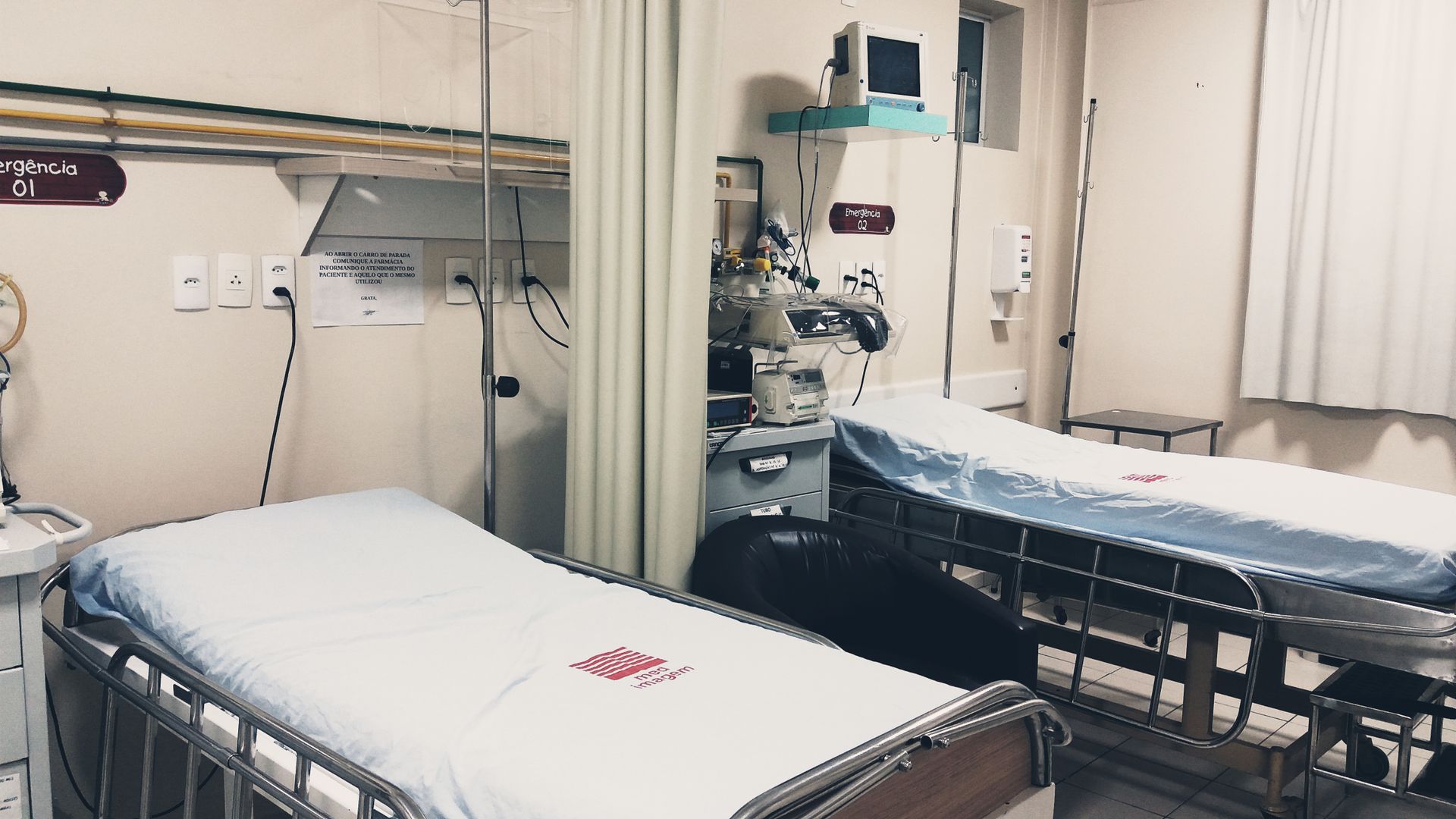
Oxevision mental health monitoring tech lacks robust evidence, experts say
Expert witnesses giving evidence to the Lampard Inquiry said there is a lack of robust evidence that Oxevision, a contactless patient-monitoring technology widely used across NHS mental health wards, improves patient safety. The system uses sensors installed in patient rooms to track movement and vital signs remotely. The inquiry is examining deaths and failings in NHS mental health inpatient care.