Why heatwaves trigger anxiety, and how to cope with the stress

As the thermometer climbs, so does tension for many people. Evidence is mounting that prolonged heatwaves affect not just the body but the mind, with researchers linking extreme heat to restlessness, disrupted sleep and, for some, a feeling of being 'incredibly helpless.' That suggests heat-related distress isn't just a passing discomfort on a single hot day, but a real psychological burden that can build across repeated heatwaves. Experts note the effect often creeps up unnoticed, since heat is easily dismissed as an ordinary, unremarkable feature of daily life.
There are several reasons heat affects mood. Extreme temperatures disrupt sleep, and a body that can't cool down at night struggles to reach deep sleep, setting the stage for irritability, poor concentration and anxiety the next day. Heat also tends to upend daily routines — going outside, exercising or socialising all become harder — which can heighten feelings of isolation. Some researchers add that the body's physical response to heat, such as a racing heart or sweating, can overlap with the physical symptoms of anxiety, making the two harder to tell apart.
Research suggests heat-related anxiety doesn't affect everyone equally. According to one study, young adults and women are among the groups most affected mentally by extreme heat. Experts say the reasons are complex, but social expectations, caregiving burdens and heightened awareness of climate anxiety may all help explain the disparity. Some experts also point to heavier exposure to climate-related news and social media among younger adults as a possible contributing factor.
The broader concept of 'climate anxiety' compounds the picture. For some people, each heatwave triggers not just discomfort in the moment but a wider sense of unease about the future. Experts say these two feelings — immediate physical discomfort and longer-term worry — can reinforce each other, making mood worse on hot days, particularly when heatwaves arrive in quick succession.
So how can people manage that anxiety? Experts suggest the first step is simple but effective: keeping the body cool. Keeping curtains closed during the day, going outside during cooler hours and staying well hydrated can ease both physical and mental discomfort. A dehydrated body tends to experience anxiety symptoms more intensely, so experts recommend drinking water regularly rather than waiting until thirst sets in.
Protecting sleep is also critical. If a cool bedroom isn't possible, using lighter bedding, taking a lukewarm shower before bed, or switching off screens earlier can help the body wind down. Experts emphasise that lost sleep directly intensifies anxiety symptoms, and recommend a fan or an open window for airflow wherever possible.
Breathing exercises and short mindfulness breaks can also help manage anxiety on hot days. Just a few minutes of slow breathing can lower the body's sense of threat and calm the nervous system — particularly useful in moments of feeling overwhelmed by heat. Experts suggest building these breaks into the day proactively, rather than only reaching for them once anxiety has already spiked.
Staying socially connected matters too. When heat pushes people to stay indoors and isolated, loneliness can deepen anxiety. Meeting friends or family in a cool space — a library, a shopping centre or an air-conditioned café — can provide both physical relief and emotional support, while also reinforcing a sense of not facing the discomfort alone.
Experts recommend that young adults and women, in particular, learn to notice their own early warning signs during heatwaves: insomnia, irritability, trouble concentrating or a persistent sense of being on edge are all worth taking seriously. If symptoms become severe, speaking to a health professional can help address the problem before it grows into something more entrenched.
Because heatwaves are expected to become more frequent and longer with climate change, experts say these coping strategies shouldn't be treated as a one-off fix but as a lasting habit. Prioritising cooling down, protecting sleep, practising breathing techniques and staying socially connected can strengthen mental as well as physical resilience — and, experts say, help people feel better prepared the next time temperatures spike.
Read next

APOE2 Gene: How It May Protect the Brain From Alzheimer's
APOE2 is a naturally occurring variant of the APOE gene that has long been linked to a reduced risk of Alzheimer's disease, in contrast to the higher-risk APOE4 variant. New research suggests APOE2 may protect brain cells by limiting DNA damage and helping neurons recover from stress, offering scientists a possible template for future treatments.

Always Tired? 9 Surprising Reasons and What to Do About It
Feeling exhausted even after a full night's sleep is one of the most common complaints people bring to doctors, and it rarely comes down to a single cause. From bedroom air quality to diet and undiagnosed medical conditions, here are nine common reasons for persistent tiredness, each paired with a practical fix.

Merck Signs Voluntary Licensing Deals for Experimental HIV Prevention Pill
Merck has signed voluntary licensing agreements allowing generic manufacturers in lower-income countries to produce its experimental oral HIV prevention pill. The deals aim to speed access in high-burden countries while the drug remains under regulatory review, though approval timelines and production scale-up remain uncertain.

Senate panel advances bipartisan ultra-processed food warning label bill
A Senate committee has advanced a bipartisan bill that would require front-of-package warning labels on ultra-processed foods and restrict advertising of junk food to children. The measure brought together Republicans, some aligned with the 'Make America Healthy Again' movement, and Democrats who have long pushed for stricter food regulation. The bill now heads toward a full Senate vote.
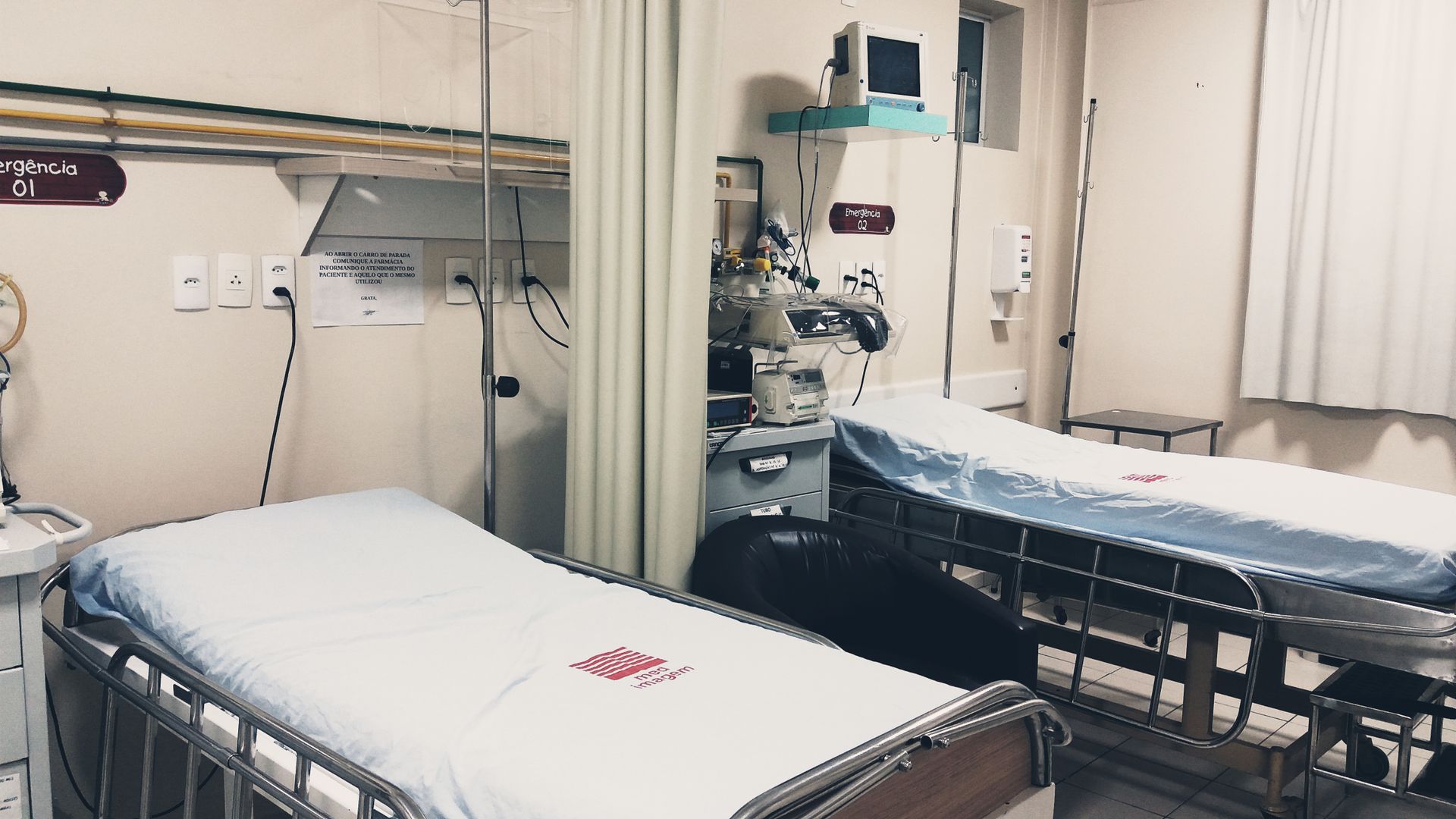
Oxevision mental health monitoring tech lacks robust evidence, experts say
Expert witnesses giving evidence to the Lampard Inquiry said there is a lack of robust evidence that Oxevision, a contactless patient-monitoring technology widely used across NHS mental health wards, improves patient safety. The system uses sensors installed in patient rooms to track movement and vital signs remotely. The inquiry is examining deaths and failings in NHS mental health inpatient care.