Brain implant restores both movement and touch in a man with quadriplegia
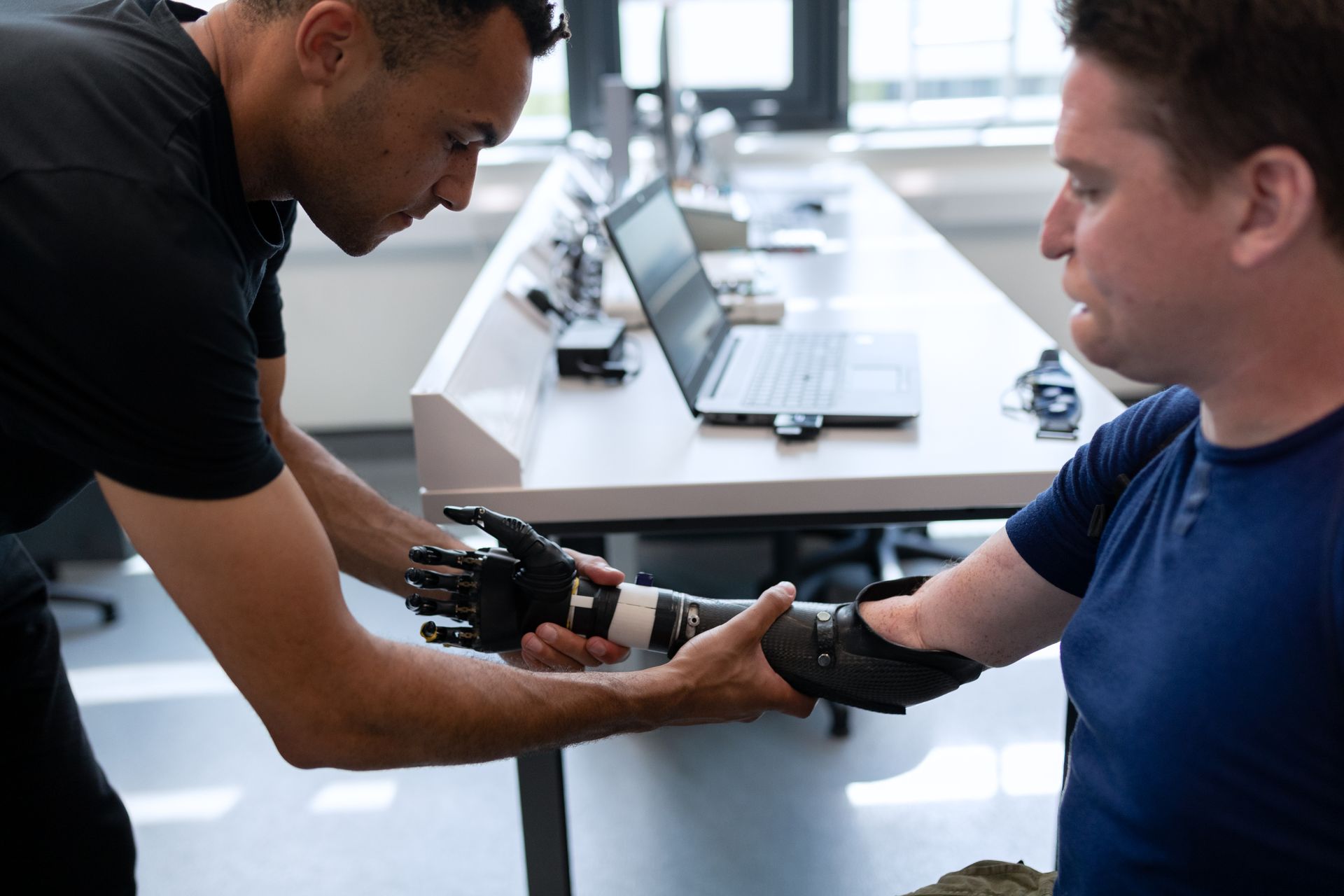
A brain-computer interface has restored both movement and the sensation of touch in a 48-year-old man with quadriplegia, researchers reported, describing the system as a 'double neural bypass' that works in two directions at once rather than the single direction used by most prior devices.
Earlier brain-computer interfaces have allowed paralyzed patients to control robotic arms or computer cursors by decoding movement intentions from neural activity, a real and significant achievement in itself. But those systems have almost universally lacked a return channel: the user could move an object without feeling it, forcing them to rely on vision alone to judge grip strength or contact, a slow and imprecise substitute for touch.
The new approach addresses that gap by implanting electrode arrays in both the motor cortex, which generates the intention to move, and the sensory cortex, which normally receives touch information from the body. Signals from the motor cortex are decoded in real time to drive a robotic limb, while sensors on that limb feed information back through the sensory cortex implant, delivering a sensation the researchers say patients describe as recognizably touch-like rather than an abstract buzz or tingle.
In the case reported by the research team, the patient — who lost the use of his arms and legs following a spinal cord injury — was able to use the closed-loop system to grasp objects of varying shapes and softness with substantially finer control than movement-only implants typically allow, adjusting grip pressure based on the restored sensory feedback rather than visual estimation alone.
The researchers describe the improvement in dexterity as the most immediately practical benefit: tasks that require modulating force, such as picking up a fragile object or a full cup without spilling it, are notoriously difficult with vision-only feedback but become markedly easier once a user can, in effect, feel what a robotic hand is touching.
The system remains firmly experimental. It requires surgically implanted electrode arrays connected to external processing hardware, a setup involving real surgical risk and ongoing technical maintenance that is a long way from a device a patient could use unassisted at home. Wireless, fully implantable versions of similar bidirectional systems are in earlier stages of development at several research centers.
This case adds to a small but growing number of published trials of bidirectional, or sensory-restoring, brain-computer interfaces, following related work from other academic groups over the past several years. Researchers in the field describe restoring sensory feedback as one of the more difficult open problems in the area, since it requires stimulating the brain in patterns specific and consistent enough to be interpreted as coherent touch rather than noise.
Funding for this category of research has come primarily from government science agencies and academic medical centers rather than commercial device makers, reflecting both the early stage of the technology and the highly specialized surgical and engineering expertise required to implant and calibrate the systems for each individual patient.
Researchers caution that findings from a single patient, however striking, do not establish how consistently the approach will work across the broader population of people with spinal cord injuries, whose neurological damage varies significantly in location and severity. Larger trials enrolling more participants are needed before conclusions can be drawn about how widely applicable the technique is.
Even with those caveats, specialists in neural engineering describe restoring a working sense of touch — not just motor control — as a meaningful marker of progress toward brain-computer interfaces that could eventually let people with severe paralysis interact with the physical world in a way that feels less like operating a machine and more like using their own body.
Read next

Dementia risk: why where you live may matter as much as how you live
A study of more than 214,000 people has found that the factors driving dementia risk differ significantly from country to country, challenging the idea of a single global prevention checklist. Some risk factors, though, turned out to be strikingly consistent everywhere researchers looked.

Energy drinks and under-16s: what England's new sales ban means
From next April, it will be illegal in England to sell high-caffeine energy drinks to anyone under 16. Here is what the ban covers, why officials say it is needed, and how it compares with rules already in place elsewhere.

Air purifiers: what they do and when they actually help with smoke
As wildfire smoke pushes air quality alerts across more than 20 US states, sales of home air purifiers have surged. Here is what the devices can and cannot do, and how to choose one that actually reduces the fine particles making people sick.

Aortic dissection: what the rare, sudden condition is and how it's diagnosed
News of a public figure's death from aortic dissection has drawn renewed attention to a rare but often fatal medical emergency, in which the body's largest blood vessel tears from the inside. Here's what causes it, who is at risk, and why it is so difficult to catch in time.

Why going to museums, movies and concerts may help your body stay younger
A new study of older adults found that those who regularly went to museums, cinemas, theatres and concerts had bodies that functioned like people roughly three years younger. Researchers believe social connection, mental stimulation and healthier habits may explain the link, though the causal picture is still being worked out.