Dementia risk: why where you live may matter as much as how you live

Dementia risk is shaped not only by individual behavior but by where a person happens to live, according to a large study analyzing data from more than 214,000 people across multiple countries, which found that the relative importance of known risk factors shifts significantly depending on region.
The research builds on more than a decade of work identifying modifiable risk factors for dementia — conditions and behaviors that, unlike age or genetics, can in principle be changed. Previous large-scale analyses, notably from the Lancet Commission on dementia prevention, have estimated that around 40% of dementia cases worldwide could theoretically be delayed or prevented by addressing a shared list of roughly a dozen factors, including hearing loss, high blood pressure, smoking, obesity, diabetes, physical inactivity, depression, social isolation, excessive alcohol use, air pollution and lower educational attainment.
What the new study adds is evidence that these factors do not carry equal weight everywhere. In some countries, hypertension emerged as the single largest contributor to population-level dementia risk, while in others, low educational attainment or air pollution accounted for a larger share, reflecting differences in public health infrastructure, environmental exposure and healthcare access between regions.
The researchers say this variation argues against treating dementia prevention as a one-size-fits-all checklist to be applied uniformly across countries. A national health strategy built around, say, hearing-aid access might meaningfully reduce dementia risk in a country where untreated hearing loss is common, while delivering much smaller returns in a country where the bigger driver is uncontrolled blood pressure.
At the same time, the study found some patterns held remarkably steady across every region examined. Hypertension and hearing loss appeared among the leading modifiable risk factors almost everywhere, regardless of a country's income level or healthcare system, suggesting these two conditions deserve priority in almost any national prevention strategy, even as the surrounding mix of factors shifts.
The mechanisms linking these risk factors to dementia are increasingly well understood. Chronic high blood pressure damages small blood vessels in the brain over years, contributing to vascular dementia and compounding Alzheimer's-related pathology. Untreated hearing loss is thought to accelerate cognitive decline both by depriving the brain of auditory stimulation and by increasing social isolation, itself an independent risk factor, as people withdraw from conversations they struggle to follow.
Air pollution's role, more prominent in the new data for certain heavily industrialized or traffic-dense regions, has grown from a suspected to a well-documented risk factor over the past decade, with fine particulate matter linked to neuroinflammation and accelerated brain aging in multiple longitudinal studies.
The researchers frame their findings as a call for national and regional health authorities to identify which risk factors weigh most heavily in their own populations, using local data rather than importing prevention priorities wholesale from studies conducted elsewhere, typically in wealthier countries with different exposure profiles.
For individuals, the practical implication is less about geography itself and more about not assuming a single global list applies equally everywhere: managing blood pressure and treating hearing loss promptly emerge as close to universally valuable steps, while other priorities — reducing air pollution exposure, addressing social isolation, or expanding access to education — may matter more or less depending on where someone lives.
The study's authors say the next phase of their work will look at whether tailoring public health messaging and screening programs to a country's specific risk profile measurably improves dementia prevention outcomes compared with generic global guidance, a question they argue has significant implications for how limited public health budgets are best allocated.
Read next
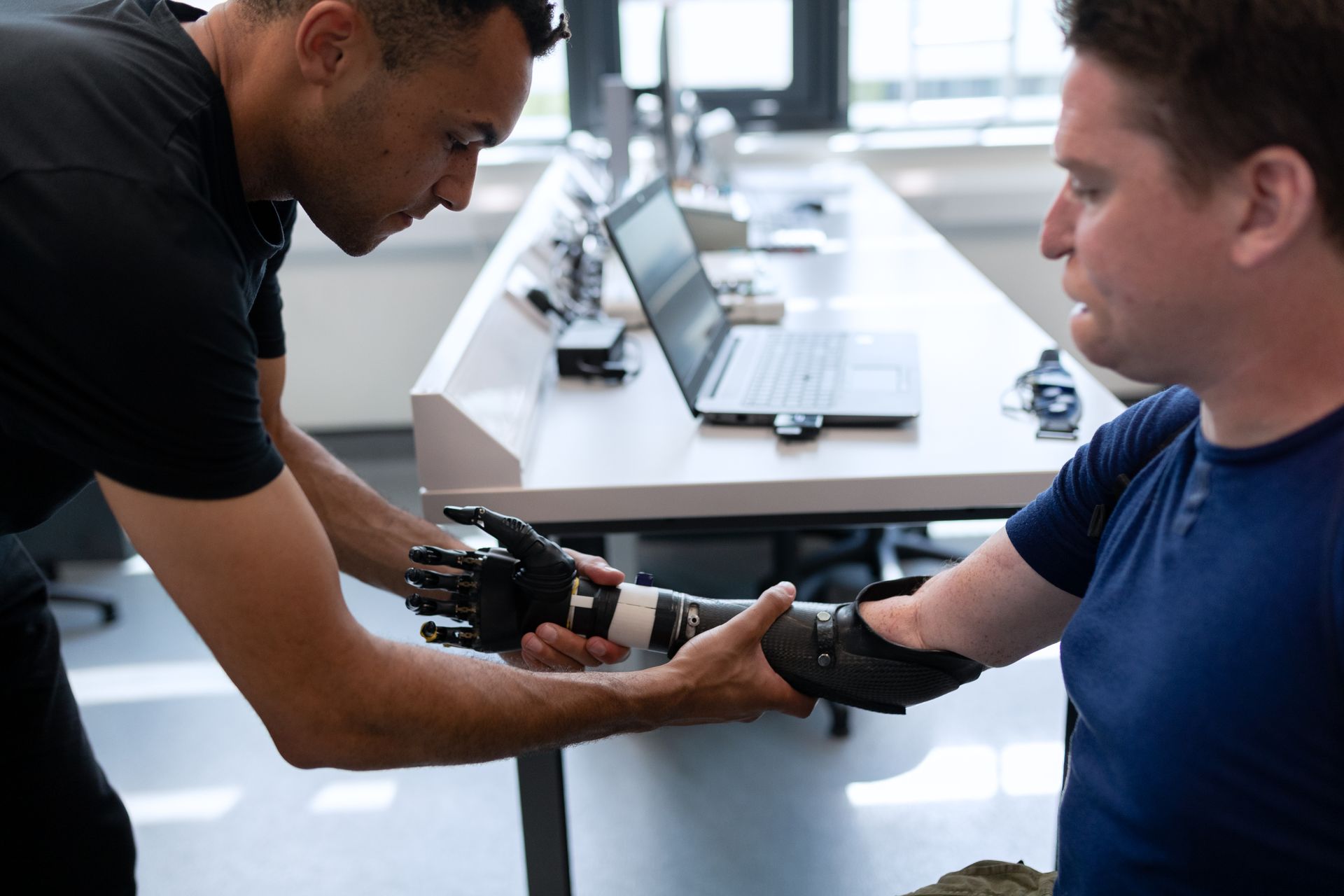
Brain implant restores both movement and touch in a man with quadriplegia
Researchers say a brain-computer interface has restored both movement and the sensation of touch in a 48-year-old man with quadriplegia, using a 'double neural bypass' that reads motor signals and delivers feedback directly to the brain. It is a step beyond earlier implants that restored control but not feeling.

Energy drinks and under-16s: what England's new sales ban means
From next April, it will be illegal in England to sell high-caffeine energy drinks to anyone under 16. Here is what the ban covers, why officials say it is needed, and how it compares with rules already in place elsewhere.

Air purifiers: what they do and when they actually help with smoke
As wildfire smoke pushes air quality alerts across more than 20 US states, sales of home air purifiers have surged. Here is what the devices can and cannot do, and how to choose one that actually reduces the fine particles making people sick.

Aortic dissection: what the rare, sudden condition is and how it's diagnosed
News of a public figure's death from aortic dissection has drawn renewed attention to a rare but often fatal medical emergency, in which the body's largest blood vessel tears from the inside. Here's what causes it, who is at risk, and why it is so difficult to catch in time.

Why going to museums, movies and concerts may help your body stay younger
A new study of older adults found that those who regularly went to museums, cinemas, theatres and concerts had bodies that functioned like people roughly three years younger. Researchers believe social connection, mental stimulation and healthier habits may explain the link, though the causal picture is still being worked out.