Energy drinks and under-16s: what England's new sales ban means

England will make it illegal to sell high-caffeine energy drinks to anyone under 16 from next April, the government has confirmed, closing a long-standing gap in UK retail rules that has left energy drinks as one of the few caffeinated products with no legal age restriction on sale.
The ban applies to drinks containing more than 150mg of caffeine per litre — roughly the threshold used to define energy drinks in existing food labelling rules — meaning most familiar energy drink brands will fall within scope, while standard cola, tea and coffee sold in shops are not affected as long as they stay under the same caffeine concentration.
A single 250ml can of a typical energy drink can contain around 80mg of caffeine, comparable to a cup of coffee, but many larger cans sold in supermarkets carry two to three times that amount in a single serving. For a child, whose body weight and caffeine tolerance are both lower than an adult's, that concentration can produce effects — a racing heart, anxiety, disrupted sleep — at doses adults might barely notice.
Retailers who currently sell energy drinks to under-16s do so legally in England, since no statutory age limit has existed until now, although many supermarket chains have voluntarily restricted sales to over-16s for more than a decade. The new law will convert that patchwork of voluntary policy into a single legal minimum age enforced across all retailers, including corner shops and vending machines.
Public health officials point to a body of research linking regular high-caffeine consumption in children and teenagers to poorer sleep, difficulty concentrating in school, headaches and, in survey data, higher rates of anxiety symptoms among frequent energy drink users. Some studies have also raised concerns about cardiac effects in adolescents with undiagnosed heart conditions, a small but serious risk cited repeatedly by paediatric cardiologists.
Energy drinks are also frequently high in added sugar, compounding concerns that have driven earlier UK public health interventions such as the sugar tax on soft drinks. Officials say the caffeine-focused ban is intended to address a distinct risk profile — the drinks' stimulant effect — rather than duplicate sugar-reduction policy, though many of the products targeted contain both.
England's move brings it into line with several other jurisdictions that already restrict energy drink sales to minors, including Latvia, Lithuania and a number of European countries that impose either age limits or caffeine-content caps on beverages sold to under-16s or under-18s. Wales and Scotland have both signalled they are considering similar legislation, though neither has yet set a firm date.
The soft drinks industry has previously argued that voluntary retailer restrictions were achieving similar outcomes without the need for statutory regulation, and some manufacturers have pointed to reformulated lower-caffeine products aimed at younger consumers as evidence the market was already adapting. The government's decision to proceed with a legal ban regardless signals it judged voluntary measures insufficiently consistent across the retail sector.
Enforcement will fall to local trading standards teams, the same bodies that police existing age-restricted sales such as alcohol and tobacco, and retailers who breach the new rule will face similar penalties to those for other underage sales offences. The government has said the months before the April start date will be used for guidance and compliance support aimed at smaller independent retailers, who often have the least capacity to adapt quickly to new rules.
For parents, paediatricians say the change is unlikely to eliminate teenage caffeine consumption entirely, since energy drinks purchased by an accompanying adult or consumed at home will remain unaffected by a point-of-sale restriction. But they argue that removing easy, casual purchase by under-16s themselves — often the pattern cited in survey data on frequent youth consumption — is still likely to meaningfully reduce how often the highest-caffeine products reach children's hands.
Read next

Dementia risk: why where you live may matter as much as how you live
A study of more than 214,000 people has found that the factors driving dementia risk differ significantly from country to country, challenging the idea of a single global prevention checklist. Some risk factors, though, turned out to be strikingly consistent everywhere researchers looked.
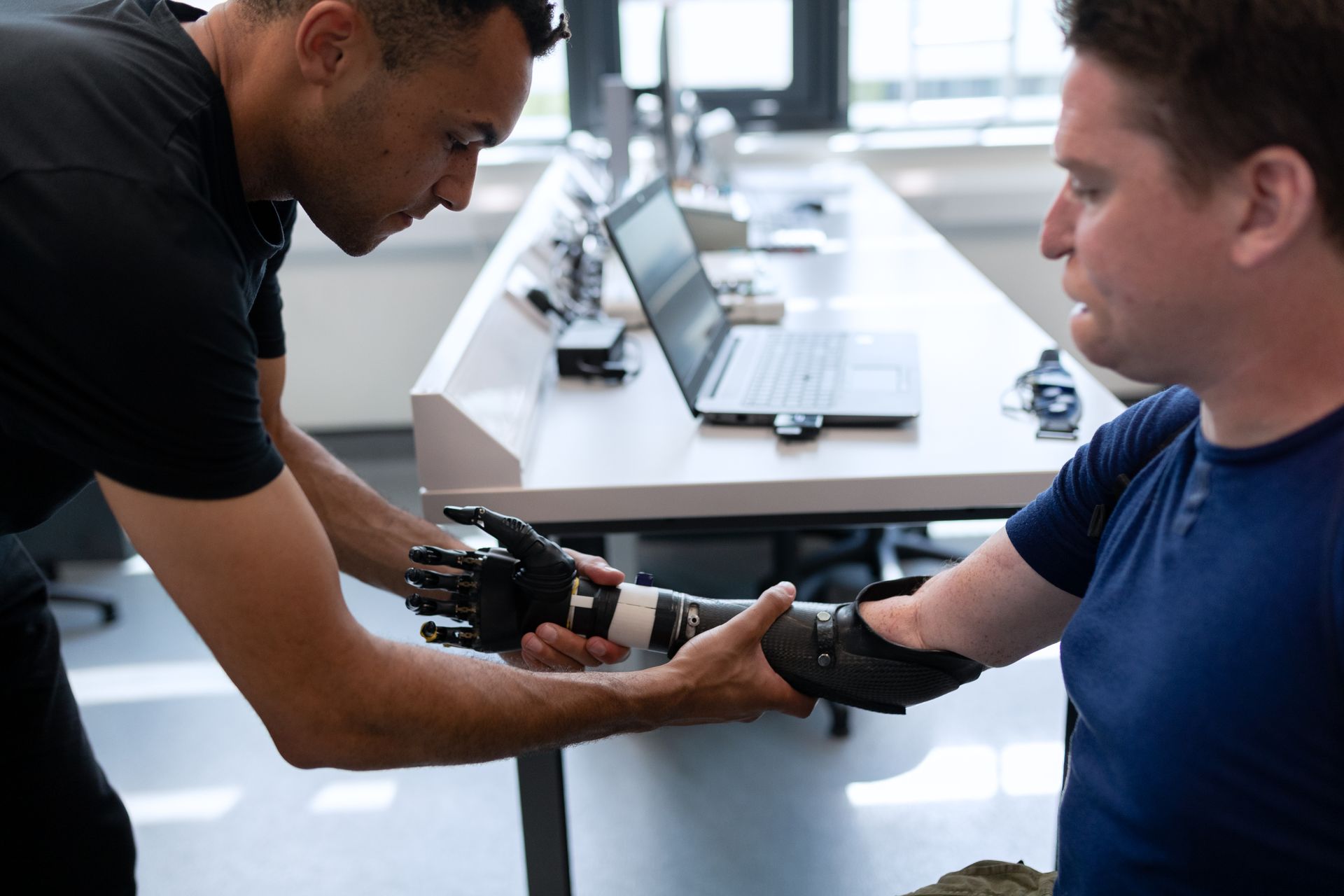
Brain implant restores both movement and touch in a man with quadriplegia
Researchers say a brain-computer interface has restored both movement and the sensation of touch in a 48-year-old man with quadriplegia, using a 'double neural bypass' that reads motor signals and delivers feedback directly to the brain. It is a step beyond earlier implants that restored control but not feeling.

Air purifiers: what they do and when they actually help with smoke
As wildfire smoke pushes air quality alerts across more than 20 US states, sales of home air purifiers have surged. Here is what the devices can and cannot do, and how to choose one that actually reduces the fine particles making people sick.

Aortic dissection: what the rare, sudden condition is and how it's diagnosed
News of a public figure's death from aortic dissection has drawn renewed attention to a rare but often fatal medical emergency, in which the body's largest blood vessel tears from the inside. Here's what causes it, who is at risk, and why it is so difficult to catch in time.

Why going to museums, movies and concerts may help your body stay younger
A new study of older adults found that those who regularly went to museums, cinemas, theatres and concerts had bodies that functioned like people roughly three years younger. Researchers believe social connection, mental stimulation and healthier habits may explain the link, though the causal picture is still being worked out.