Cyclospora outbreak: what the parasite is and how outbreaks are traced
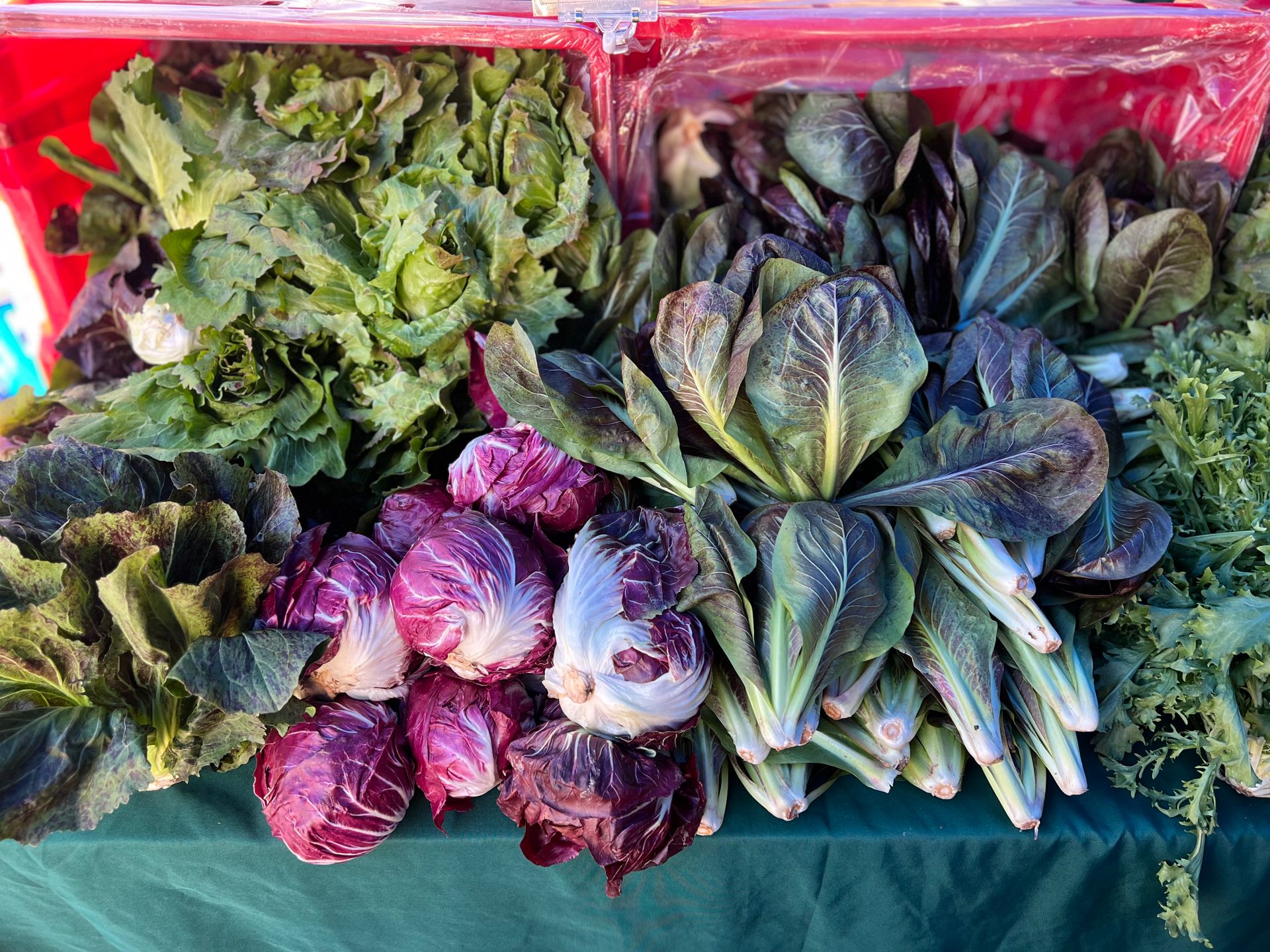
US health authorities have identified a new outbreak of cyclosporiasis that has been determined to be separate from cases reported earlier this season. Officials have not yet released a specific case count or geographic scope, but have confirmed that this outbreak is unconnected to the earlier cluster of cases. Investigations of this kind are typically updated as new laboratory results and patient interviews come in, meaning the picture can shift considerably in the days and weeks after an outbreak is first announced.
Cyclospora, fully known as Cyclospora cayetanensis, is a single-celled parasite that infects the human intestine. It belongs to a family of parasites known as coccidia, which also includes other organisms capable of causing intestinal illness in humans and animals. The illness Cyclospora causes is called cyclosporiasis, and its most prominent symptom is watery diarrhea.
Infection typically presents with watery diarrhea, loss of appetite, weight loss, cramping, bloating, nausea, fatigue and a low-grade fever. Symptoms generally begin about a week after exposure, though the delay can vary. If left untreated, symptoms can last for weeks, and can even flare up again after appearing to subside, a pattern that is somewhat unusual compared with many other foodborne illnesses.
The parasite does not spread directly from person to person, because the form it is shed in, called an oocyst, needs days to weeks outside the body to mature into an infectious state. Transmission occurs when people consume fresh produce, particularly leafy greens, herbs and certain fruits, or water contaminated with these oocysts. There is currently no vaccine to prevent the infection.
In the US, cyclospora outbreaks typically cluster in the warmer months of the year and are often linked to imported fresh produce, although that connection does not necessarily apply to every outbreak. Fresh herbs and leafy vegetables have historically been implicated in past US cyclospora outbreaks more often than other food categories, though investigators stress that the specific source varies from outbreak to outbreak.
When investigating an outbreak, health investigators interview sick patients about what they have eaten in recent days and compare the answers to look for a common food source, a method often referred to as a case-control investigation. This work is typically coordinated between local and state health departments and federal food-safety agencies, and can take weeks to complete, since interviews rely on patients accurately recalling meals eaten days or even weeks earlier. Once a common source is identified, investigators trace that food's supply chain back to a grower or distributor.
Determining that an outbreak is "new and separate" from earlier cases typically relies on laboratory genetic analysis of parasite samples, or on differences in timing and geographic clustering. Officials appear to have used these methods to conclude that this outbreak is unconnected to cases reported earlier in the season.
Cyclosporiasis is typically treated with a combination antibiotic called trimethoprim-sulfamethoxazole, with alternative regimens available for patients who are allergic to sulfa drugs. Most healthy adults recover fully with appropriate treatment, but the illness can be prolonged and debilitating if left untreated, and without treatment it can sometimes resolve on its own only after several weeks.
For prevention, thoroughly washing fresh produce is recommended, though experts note that cyclospora oocysts can be quite resistant to standard washing and disinfection methods, meaning washing may not eliminate the risk entirely, particularly for produce that is typically eaten raw rather than cooked. Thorough cooking does inactivate the parasite, but much of the produce implicated in past cyclospora contamination is typically eaten raw, which makes prevention harder. People who become infected are advised to stay well hydrated, and those with weakened immune systems, for whom the illness can be more severe and prolonged, are urged to seek medical care.
This new outbreak underscores an ongoing challenge for health authorities: foodborne parasite outbreaks tied to complex global fresh-produce supply chains that can make tracing contamination back to its source difficult and time-consuming. A single batch of contaminated produce can be distributed to grocery stores and restaurants across many states before an outbreak is even recognised, which is part of why investigators often rely on genetic fingerprinting of the parasite to link cases that might otherwise look unrelated. Health agencies advise the public to follow official health authorities for updates as the investigation continues, and to seek medical care if diarrheal symptoms persist for more than a few days, particularly if accompanied by a low-grade fever or ongoing fatigue.
Read next

What a mouse study on rapamycin and brain inflammation actually found
Researchers found that mice exposed to even mild inflammation before birth developed persistent brain overactivity, sensory sensitivity, repetitive behaviors and increased seizure risk, described by the team as autism-like traits in the animal model. A single dose of an existing drug, rapamycin, temporarily eased nearly all of these behaviors in adult mice within about two hours. The findings are confined to a mouse model and should not be read as a human treatment or a "cure" for autism.

What is the Alzheimer's 'tipping point' scientists just found?
Scientists say they have identified a possible tipping point that helps determine whether Alzheimer's-related brain changes go on to cause dementia. The key may lie in how the brain's immune cells respond to amyloid plaques and tau tangles. The finding offers a promising new target for treatments designed to extend cognitive resilience.

Intermittent fasting and cognitive decline: what a new pilot study found
A small pilot study has found early hints that older women who confined their meals and snacks to a nine-hour window, and avoided food for four hours before bed, performed better on problem-solving tests than those who spread meals over a longer period. Researchers describe the finding as preliminary rather than conclusive. The sample was limited to older women living with overweight or obesity.

Measles in the US: why cases are surging as vaccination rates fall
The number of measles cases in the US this year has already surpassed the record-breaking total for all of 2025, with five more months of 2026 still to come. Health authorities say the national vaccination rate has now fallen below the threshold needed for herd immunity. The resurgence highlights why measles spreads so easily once vaccination coverage slips.

Experimental Ebola vaccine: what the first human trial involves
Ed Hunt, a 37-year-old volunteer from the UK, has become the first person to receive an experimental Ebola vaccine now entering early human trials, motivated by news of the deadly outbreak in the Democratic Republic of Congo. The vaccine is still years away from possible approval. Researchers say this early-phase stage is designed to test safety, not effectiveness.