Experimental Ebola vaccine: what the first human trial involves
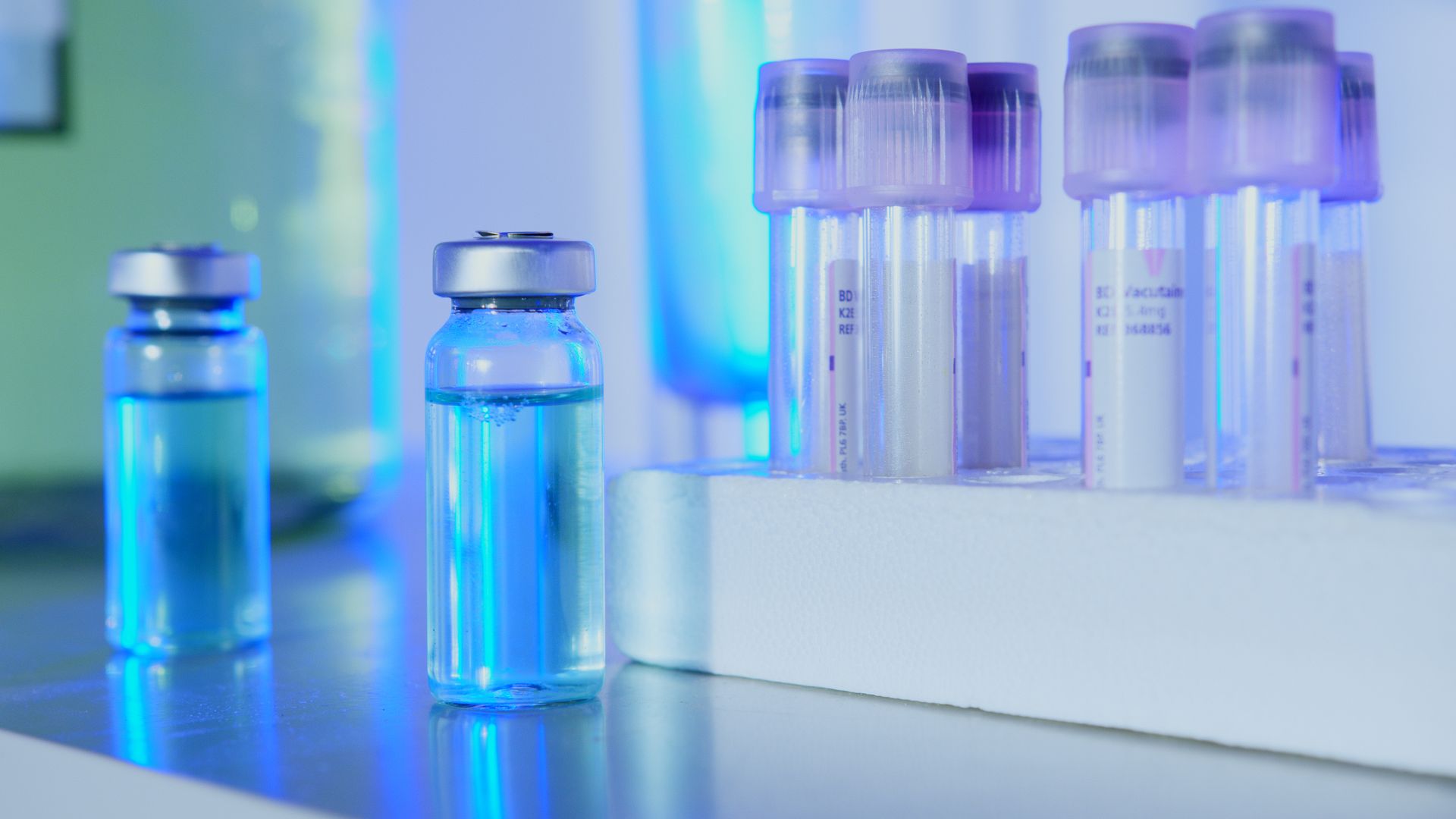
Ed Hunt, a 37-year-old volunteer from the United Kingdom, has become the first person to receive an experimental Ebola vaccine now entering early human testing. Hunt said he decided to take part after seeing repeated news coverage of the deadly Ebola outbreak in the Democratic Republic of Congo, which has continued to claim lives in recent months. His decision to step forward as the first volunteer places him at the very start of what researchers hope will become a much longer testing process.
His choice reflects a familiar pattern in vaccine research: volunteers for the earliest human trials are often driven by news of an active outbreak rather than any personal medical need. Trial organisers say recruiting a small, closely monitored group of healthy adults is the first and most cautious stage of testing any new shot before it can even be considered for wider use. Without people like Hunt stepping forward, researchers say new vaccine candidates would have no route into human testing at all, however promising they look in the laboratory.
Ebola virus disease is one of the most lethal pathogens known to affect humans, with historical outbreaks carrying fatality rates that have ranged from roughly 25% to 90% depending on the strain involved and how quickly patients receive supportive care. It spreads through direct contact with the blood, secretions, organs or other bodily fluids of infected people, or of infected animals such as fruit bats and primates, and outbreaks have repeatedly emerged in Central Africa over the past five decades, often beginning in remote forested regions before reaching towns and cities.
The Democratic Republic of Congo has faced Ebola outbreaks more often than almost any other country, including a major epidemic in its eastern provinces between 2018 and 2020 that killed more than 2,000 people and became the second-largest Ebola outbreak on record. Public health authorities there have relied on rapid case detection, contact tracing, safe burial practices and targeted vaccination campaigns to contain each new flare-up, often working in areas made more difficult by conflict, weak infrastructure and public distrust of outside health workers.
An approved Ebola vaccine, developed and licensed in the years following the devastating 2014–2016 West African outbreak that killed more than 11,000 people, is already used in "ring vaccination" campaigns that target the immediate contacts of confirmed cases and their contacts in turn, building a protective barrier around each new infection. Researchers are now testing additional experimental vaccines, like the one Hunt received, to widen the range of tools available and potentially offer broader protection, longer-lasting immunity, or easier deployment in remote outbreak settings.
What Hunt has taken part in is what scientists call an early-phase trial, sometimes referred to as Phase 1. At this stage, the priority is not proving that the vaccine works, but confirming that it is safe in humans and establishing what kind of immune response it triggers. Volunteers typically receive carefully controlled doses under close medical supervision and are monitored for any adverse reaction over the following days and weeks, with blood samples taken regularly to track how their immune system reacts to the shot.
If early results support that the vaccine is safe and produces a promising immune response, trial teams would move to larger studies involving hundreds or even thousands of volunteers, before eventually testing efficacy in populations at real risk of exposure, often during or immediately after an active outbreak. Each stage typically adds months or years before regulators in the UK, the US or elsewhere would even begin to consider approval, and many candidates never make it that far.
Experts caution that a single early-phase trial says very little about whether a vaccine will ultimately prove effective. Many candidate vaccines that show promise in initial human testing do not go on to be approved, either because of unexpected safety concerns that emerge later, or because larger trials fail to show that the shot provides sufficient protection against the disease it was designed to prevent.
Even so, health researchers say expanding the pipeline of Ebola vaccine candidates matters given how unpredictable outbreaks of the virus can be, and how quickly they can spread once they take hold in a densely populated area. A wider set of tools, including vaccines that might be easier to store at higher temperatures, transport over long distances, or administer with fewer doses in remote areas, could strengthen the global response the next time the virus reappears somewhere new.
For now, attention remains on the ongoing outbreak in the Democratic Republic of Congo, where health workers continue efforts to contain transmission using the vaccines and treatments already available, while trials like the one Hunt joined slowly build the evidence base for what might come next. Researchers say it could still be years before any vaccine resulting from this trial reaches the people who need it most, but every early volunteer brings that timeline a step closer.
Read next

Cyclospora outbreak: what the parasite is and how outbreaks are traced
US health authorities have identified a new outbreak of cyclosporiasis that is separate from cases reported earlier this season. Cyclospora is a single-celled parasite spread through contaminated fresh produce or water that causes diarrheal illness. Investigators trace outbreaks by interviewing sick patients to find foods they have in common.

What a mouse study on rapamycin and brain inflammation actually found
Researchers found that mice exposed to even mild inflammation before birth developed persistent brain overactivity, sensory sensitivity, repetitive behaviors and increased seizure risk, described by the team as autism-like traits in the animal model. A single dose of an existing drug, rapamycin, temporarily eased nearly all of these behaviors in adult mice within about two hours. The findings are confined to a mouse model and should not be read as a human treatment or a "cure" for autism.

What is the Alzheimer's 'tipping point' scientists just found?
Scientists say they have identified a possible tipping point that helps determine whether Alzheimer's-related brain changes go on to cause dementia. The key may lie in how the brain's immune cells respond to amyloid plaques and tau tangles. The finding offers a promising new target for treatments designed to extend cognitive resilience.

Intermittent fasting and cognitive decline: what a new pilot study found
A small pilot study has found early hints that older women who confined their meals and snacks to a nine-hour window, and avoided food for four hours before bed, performed better on problem-solving tests than those who spread meals over a longer period. Researchers describe the finding as preliminary rather than conclusive. The sample was limited to older women living with overweight or obesity.

Measles in the US: why cases are surging as vaccination rates fall
The number of measles cases in the US this year has already surpassed the record-breaking total for all of 2025, with five more months of 2026 still to come. Health authorities say the national vaccination rate has now fallen below the threshold needed for herd immunity. The resurgence highlights why measles spreads so easily once vaccination coverage slips.