Why chewing gum after eating beetroot could briefly lower your blood pressure
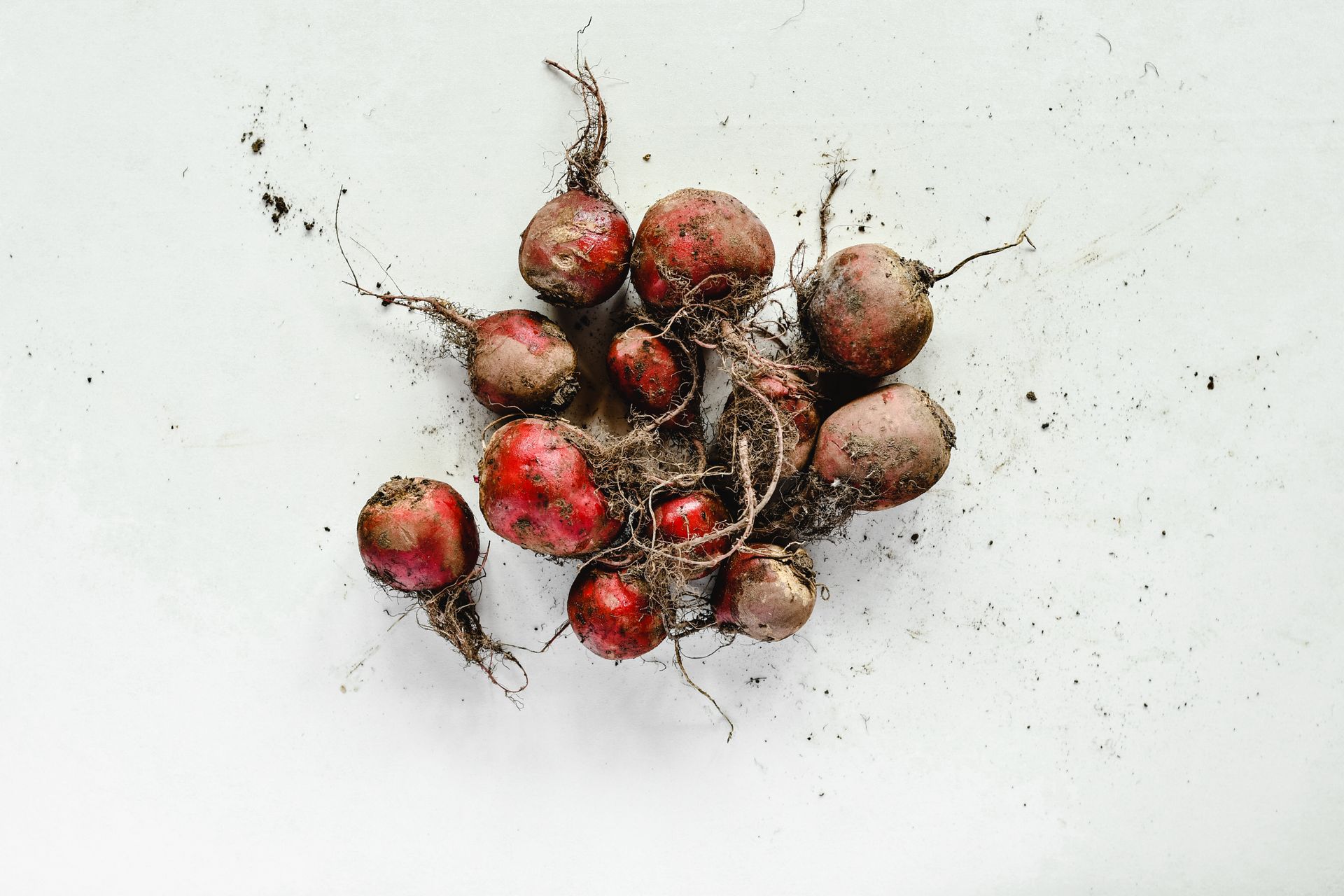
It sounds like an unlikely combination: beetroot juice and bubble gum. But a new study suggests that pairing the two, in a specific order, may briefly boost the body's production of a compound linked to lower blood pressure, offering a small but genuinely interesting window into how the mouth's bacteria interact with what we eat.
The starting point is nitrate, a compound found in high concentrations in beetroot, spinach, celery and other leafy vegetables. On its own, dietary nitrate doesn't do very much. To become biologically useful, it has to be converted into nitrite, and then further converted into nitric oxide, a molecule that relaxes and widens blood vessels, easing blood flow and lowering blood pressure in the process. This is the same nitric oxide pathway that underlies why diets rich in vegetables are consistently linked to better cardiovascular outcomes.
The conversion from nitrate to nitrite doesn't happen in the stomach or the bloodstream. It happens in the mouth, courtesy of specific bacteria that live on the back of the tongue and use nitrate as part of their own metabolism, producing nitrite as a byproduct. That nitrite is then swallowed, absorbed into the bloodstream, and converted the rest of the way into nitric oxide. It's a genuinely unusual example of the body relying on its own resident bacteria to unlock a nutrient's cardiovascular benefit, rather than doing the conversion with human enzymes alone.
This is where the chewing gum comes in. Researchers wanted to know whether chewing gum after consuming nitrate-rich foods or beverages could enhance this bacterial conversion process, reasoning that the act of chewing stimulates saliva production and prolongs the contact time between nitrate and the bacteria responsible for converting it. In the study, participants who chewed sugary gum after consuming a nitrate-rich beverage showed measurably higher levels of nitrite in their saliva and blood compared with those who didn't chew gum afterward, and this was followed by a modest, temporary reduction in blood pressure.
It's worth being clear about the scale of what was found. This was a small study measuring short-term physiological changes, not a long-term clinical trial demonstrating that chewing gum after beetroot juice prevents heart disease or reduces the need for blood pressure medication. The blood pressure drop observed was real but modest and temporary, the kind of effect that shows a mechanism is working rather than one that would replace medical treatment for anyone with diagnosed hypertension.
What makes the finding useful is less the gum itself and more what it reveals about the broader nitrate-nitrite-nitric oxide pathway, and how fragile that pathway can be to disruption. Researchers note, for instance, that using antibacterial mouthwash has been shown in other studies to significantly blunt the blood-pressure-lowering effects of eating nitrate-rich vegetables, precisely because it kills off the bacteria responsible for the nitrate-to-nitrite conversion. That's a striking illustration of how something as simple as oral hygiene habits can interact with the cardiovascular benefits of a vegetable-rich diet in ways most people would never suspect.
The researchers behind the new work say their interest isn't really in promoting bubble gum as a health intervention, but in better understanding how to enhance the delivery of dietary nitrate's benefits without relying on sugar-laden gum as the vehicle. Future formulations, they suggest, could use non-sugar sweeteners or specially designed lozenges that stimulate saliva flow and prolong the nitrate-nitrite conversion window without the drawbacks of added sugar consumed repeatedly throughout the day.
For now, the more practically useful takeaway sits with the underlying vegetables rather than the gum: nitrate-rich foods like beetroot, spinach, arugula and celery remain one of the more consistently supported dietary interventions linked to modest blood pressure benefits, provided the bacteria that make the conversion possible are given the chance to do their job, undisrupted by antibacterial mouthwash, and, this new study suggests, perhaps assisted by a little extra chewing.
Read next

Aortic dissection: what the rare, sudden condition is and how it's diagnosed
News of a public figure's death from aortic dissection has drawn renewed attention to a rare but often fatal medical emergency, in which the body's largest blood vessel tears from the inside. Here's what causes it, who is at risk, and why it is so difficult to catch in time.

Why going to museums, movies and concerts may help your body stay younger
A new study of older adults found that those who regularly went to museums, cinemas, theatres and concerts had bodies that functioned like people roughly three years younger. Researchers believe social connection, mental stimulation and healthier habits may explain the link, though the causal picture is still being worked out.
Ultra-processed foods and the heart: what the latest research really shows
A modelling study from Canadian researchers suggests cutting back on ultra-processed foods like ready meals, cereals and fizzy drinks could prevent thousands of heart disease deaths a year. Here's what ultra-processed food actually means, and how strong the evidence linking it to heart disease is.

Coronary artery disease deaths: why they're falling, and what's still driving risk
Deaths from coronary artery disease have declined for decades in many wealthy countries, largely thanks to better control of blood pressure, cholesterol and smoking. A new study in JAMA finds that progress has slowed, and identifies where further gains are still within reach.

Spinal muscular atrophy: why every newborn in England will now be tested
England is set to add spinal muscular atrophy (SMA) to its routine newborn heel-prick test, catching a rare but potentially fatal muscle-wasting disease before symptoms appear. Campaigners, including singer Jesy Nelson, have called the decision a breakthrough for early treatment.