Spinal muscular atrophy: why every newborn in England will now be tested
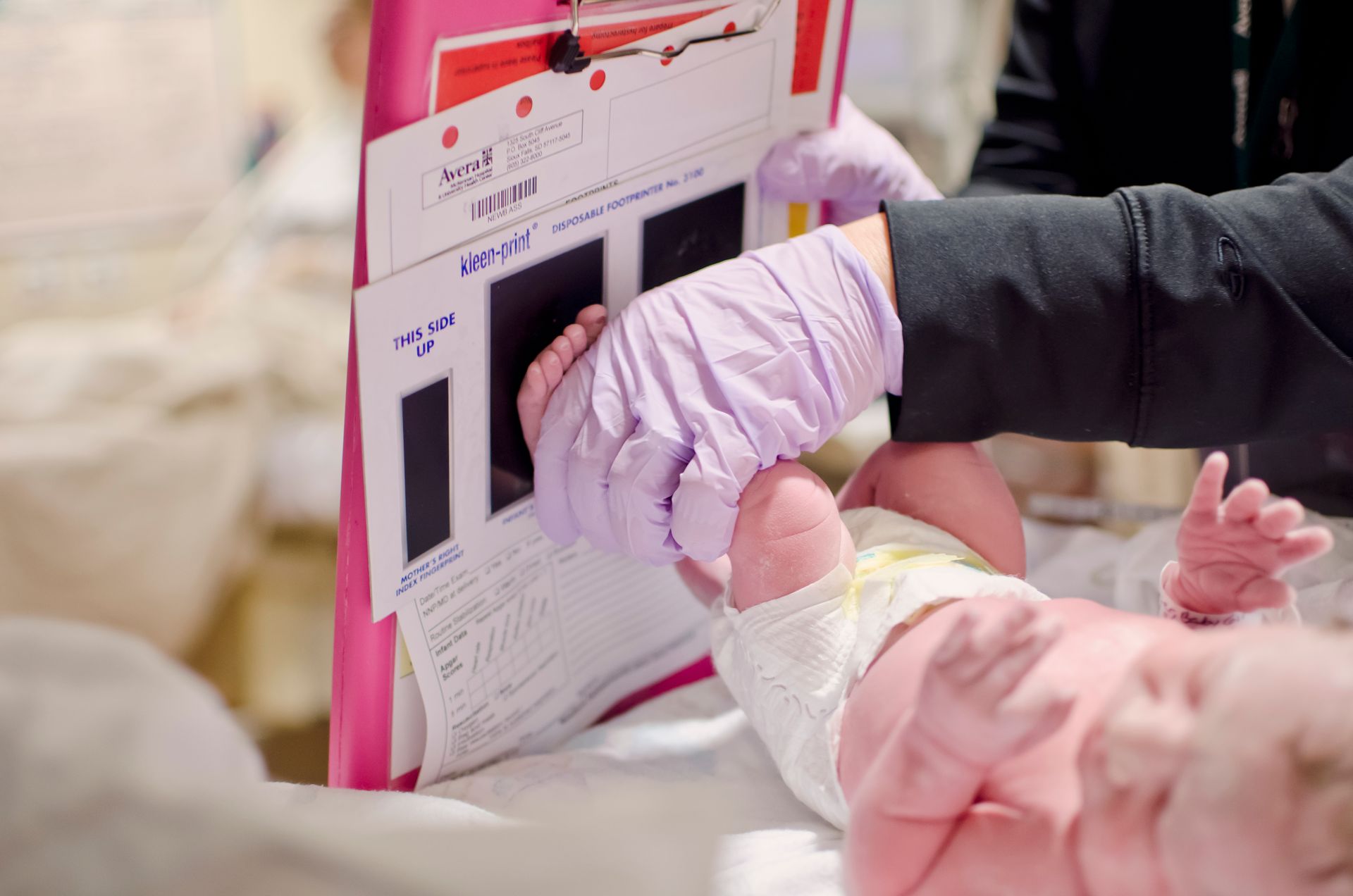
Every newborn baby in England is set to be screened for spinal muscular atrophy (SMA) as part of the routine heel-prick test given in the first days of life, following a decision by health officials that campaigners have been pushing for over several years. The change adds a single rare genetic disease to a panel that already checks for around a dozen conditions, from sickle cell disease to cystic fibrosis, using a few drops of blood taken from a baby's heel.
SMA is caused by a fault in a gene that produces a protein essential for the survival of motor neurons, the nerve cells that control muscle movement. Without that protein, motor neurons gradually die off, and the muscles they control weaken and waste. In its most severe and most common form, which typically appears in infants under six months old, the disease affects the ability to move, swallow and eventually breathe unaided. Historically, it has been one of the leading genetic causes of infant death.
What has changed in the past decade is not the disease itself but the arrival of treatments that can alter its course dramatically, provided they are given early enough. Gene therapies and other drugs now approved for SMA work by restoring the missing protein or compensating for the faulty gene, and clinical evidence has shown they are far more effective when started before a baby shows any outward signs of muscle weakness. That timing problem, more than anything else, is what has driven the push for universal newborn screening.
Under the current system, a baby with SMA is typically only investigated once parents or doctors notice something is wrong, such as unusually low muscle tone, feeding difficulties or a failure to hit motor milestones like sitting up. By the time those signs are recognised and a genetic diagnosis is confirmed, irreversible nerve damage may have already occurred. Screening at birth closes that gap by identifying the genetic fault before any damage has a chance to set in.
Jesy Nelson, the singer and former member of the group Little Mix, has been a prominent voice campaigning for the change after her son was diagnosed with a related muscle condition. She described the decision to add SMA to the newborn panel as a "victory" for families who have spent years lobbying officials, arguing that the cost of screening is small compared with both the human toll of late diagnosis and the long-term costs of care for children who miss the window for early treatment.
Health officials who assessed the evidence looked at how rare the condition is, how reliably it can be detected from a blood spot, and whether an effective treatment exists that changes outcomes if given early. SMA met all three criteria, which is a higher bar than simply being a serious disease. Screening committees in several other countries, including parts of the United States and a number of European nations, have already added SMA to their own newborn panels over the past few years after reaching similar conclusions.
For parents, the practical change is minimal: the heel-prick test already involves the same small blood sample taken on a card, usually on the fifth day of a baby's life, and sent for laboratory analysis. Adding a new condition to the list does not require an extra visit or a separate procedure. What it does add is another possible outcome from a routine test that most parents never expect to return anything but reassurance.
For the small number of families each year who receive a positive result, the difference newborn screening makes is likely to be significant. Clinicians treating SMA say that infants diagnosed and treated within the first weeks of life, before any muscle weakness appears, can go on to sit, crawl and walk within a normal timeframe, outcomes that would have been considered close to impossible for the most severe form of the disease only fifteen years ago.
The rollout will take time, as laboratories adjust testing protocols and staff are trained to counsel families through a new category of possible diagnosis. But for a disease where the difference between early and late diagnosis can be the difference between a child walking unaided and a child requiring lifelong ventilation, the addition of a single extra test to an existing heel-prick card is being described by clinicians and campaigners alike as one of the more consequential quiet changes in newborn care in years.
Read next

Aortic dissection: what the rare, sudden condition is and how it's diagnosed
News of a public figure's death from aortic dissection has drawn renewed attention to a rare but often fatal medical emergency, in which the body's largest blood vessel tears from the inside. Here's what causes it, who is at risk, and why it is so difficult to catch in time.

Why going to museums, movies and concerts may help your body stay younger
A new study of older adults found that those who regularly went to museums, cinemas, theatres and concerts had bodies that functioned like people roughly three years younger. Researchers believe social connection, mental stimulation and healthier habits may explain the link, though the causal picture is still being worked out.

Why chewing gum after eating beetroot could briefly lower your blood pressure
A small new study found that chewing sugary gum after eating nitrate-rich vegetables like beetroot boosted a beneficial compound called nitrite in the body, producing a short-term dip in blood pressure. Here's how nitrate, bacteria in the mouth and blood pressure are connected.

Ultra-processed foods and the heart: what the latest research really shows
A modelling study from Canadian researchers suggests cutting back on ultra-processed foods like ready meals, cereals and fizzy drinks could prevent thousands of heart disease deaths a year. Here's what ultra-processed food actually means, and how strong the evidence linking it to heart disease is.

Coronary artery disease deaths: why they're falling, and what's still driving risk
Deaths from coronary artery disease have declined for decades in many wealthy countries, largely thanks to better control of blood pressure, cholesterol and smoking. A new study in JAMA finds that progress has slowed, and identifies where further gains are still within reach.