How to disinfect your home after illness: a room-by-room guide to stopping the spread
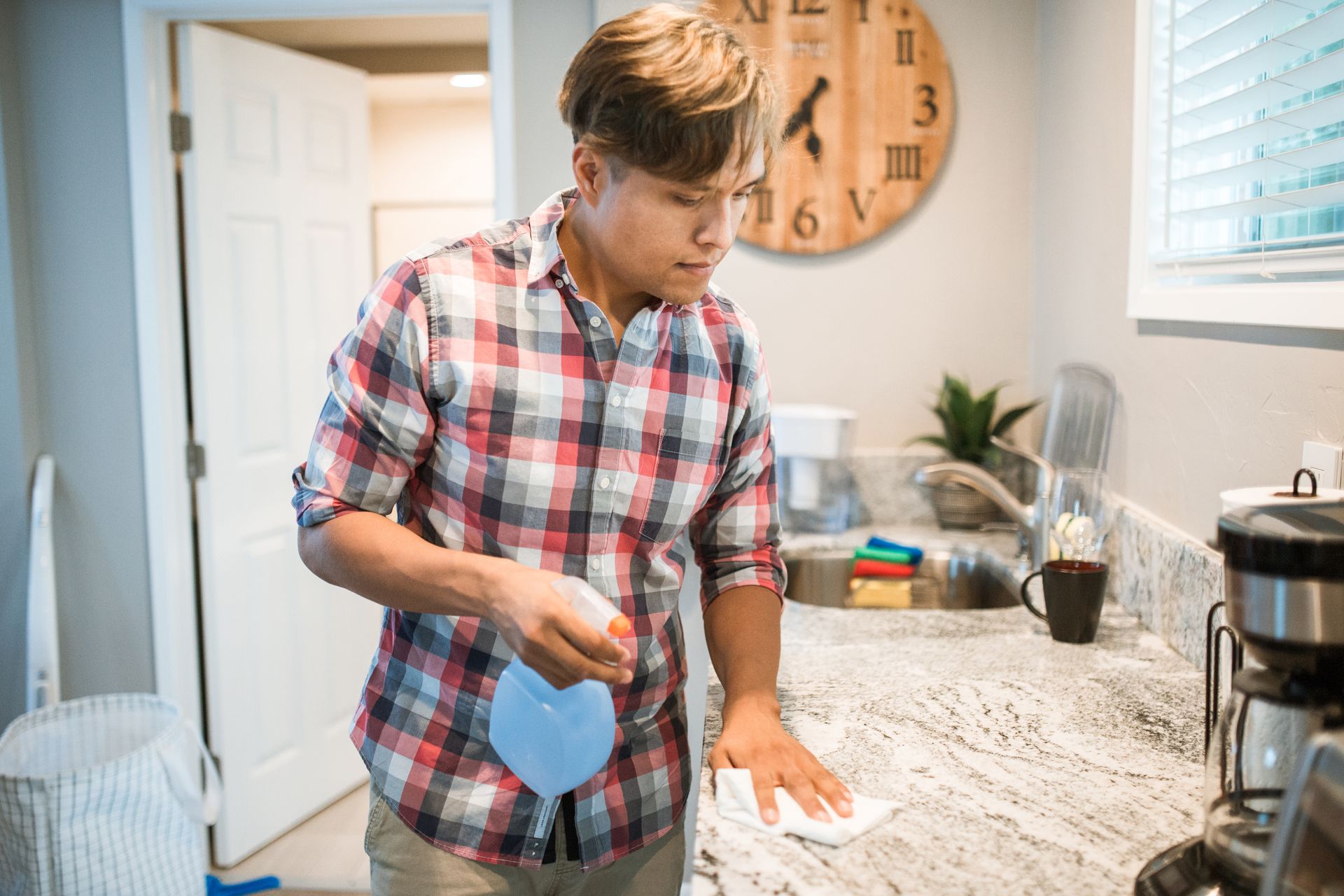
Getting sick is bad enough on its own. Passing it on to everyone you live with turns a few miserable days into weeks of rolling illness in the same household. That is why, once the worst has passed, a deliberate clean is one of the most useful things you can do, and it is easier to get right than most people assume.
The reason it matters comes down to how long germs survive off the body. As the Guardian notes, flu viruses linger on hands for only about five minutes, but on hard surfaces they can stay contagious anywhere from a few hours to two full days. That gap is where reinfection happens: you touch a doorknob, someone else touches it hours later, and the cycle begins again.
The first principle is to understand the difference between cleaning and disinfecting. Cleaning removes dirt and some germs using soap and water and is a necessary first step. Disinfecting uses chemicals to kill germs that remain. On a visibly grubby surface, disinfectant works poorly, so clean first, then disinfect, rather than trying to do both at once.
Second, focus on high-touch surfaces rather than scrubbing everything in sight. Doorknobs, light switches, faucet handles, the refrigerator door, remote controls, phones and kitchen counters are touched dozens of times a day by different hands. Concentrating your effort there delivers far more protection than an exhausting deep clean of places nobody touches.
Third, respect the contact time. Most disinfectants need to stay wet on a surface for a stated period, often several minutes, to actually kill pathogens. Wiping a surface and immediately drying it defeats the purpose. Read the label, apply the product, and let it sit for the time the manufacturer specifies before wiping away.
The bathroom deserves particular attention after a stomach illness, because the viruses that cause vomiting and diarrhoea are notoriously hardy and spread easily. Toilet handles, seats, taps and nearby surfaces should be disinfected, and it is worth remembering that flushing with the lid up can aerosolise particles across the room.
Soft items are the part people forget. Bedding, towels and the clothes worn during illness should be washed on the warmest setting the fabric allows and dried thoroughly. Hands should be washed after handling dirty laundry, since bundling it up can shake germs into the air and onto surfaces you just cleaned.
A few safety notes prevent a clean-up from becoming its own hazard. Never mix bleach with ammonia or other cleaners, which can create toxic fumes. Ventilate the room by opening a window, wear gloves if your skin is sensitive, and keep products away from children and pets. More chemical is not better; using a disinfectant correctly beats drowning a surface in it.
Timing helps too. There is little value in disinfecting the whole house while someone is still actively sick and reseeding surfaces by the hour. The most efficient approach is to keep up light daily cleaning of high-touch points during the illness, then do the thorough disinfecting pass once the sick person is on the mend and no longer shedding virus everywhere.
None of this requires special equipment or expensive products, and that is the reassuring part. A standard disinfectant, hot water, clean cloths and a little knowledge of where germs hide are enough to protect a household. The goal is not a spotless home for its own sake, but a simple, repeatable routine that stops one person's illness from becoming everyone's.
Read next

MenB vaccine and gonorrhoea: what a major study found about cross-protection
A major study reports that the meningitis B vaccine does not protect men against gonorrhoea, despite hopes that the two bacteria were similar enough for cross-protection. The finding tempers optimism about repurposing an existing vaccine to slow a sexually transmitted infection that is growing harder to treat.

Lung transplants for advanced lung cancer: what a new study found, and the ethical questions it raises
Patients with stage 4 lung cancer confined to the lungs have long been considered unsuitable for organ transplant. A new study reports that carefully selected patients did well after receiving new lungs, a finding that reopens a difficult debate about how to allocate scarce donor organs.
Orforglipron: the daily weight-loss pill that beat oral Ozempic in a major trial
A once-daily tablet called orforglipron delivered greater weight loss and blood-sugar improvement than the leading oral semaglutide in people with type 2 diabetes, according to a major clinical trial. Because the pill needs no refrigeration and is cheaper to make, researchers say it could widen global access to obesity treatment.

Blue-space therapy: how time near the sea may help with trauma, anxiety and addiction
Blue-space therapy is the growing idea that structured contact with oceans, rivers and lakes can support mental health. Once dismissed as folklore about sea air, the concept is now drawing serious research interest into how water may help people cope with trauma, anxiety and addiction.

Intermittent fasting vs counting calories: why fasting may be easier to stick to
A new trial found intermittent fasting produced weight loss on par with daily calorie restriction, but participants reported feeling less burdened by constant food monitoring. Researchers say that difference in mental effort could make fasting a more sustainable option for people who struggle to count calories every day.