Blue-space therapy: how time near the sea may help with trauma, anxiety and addiction
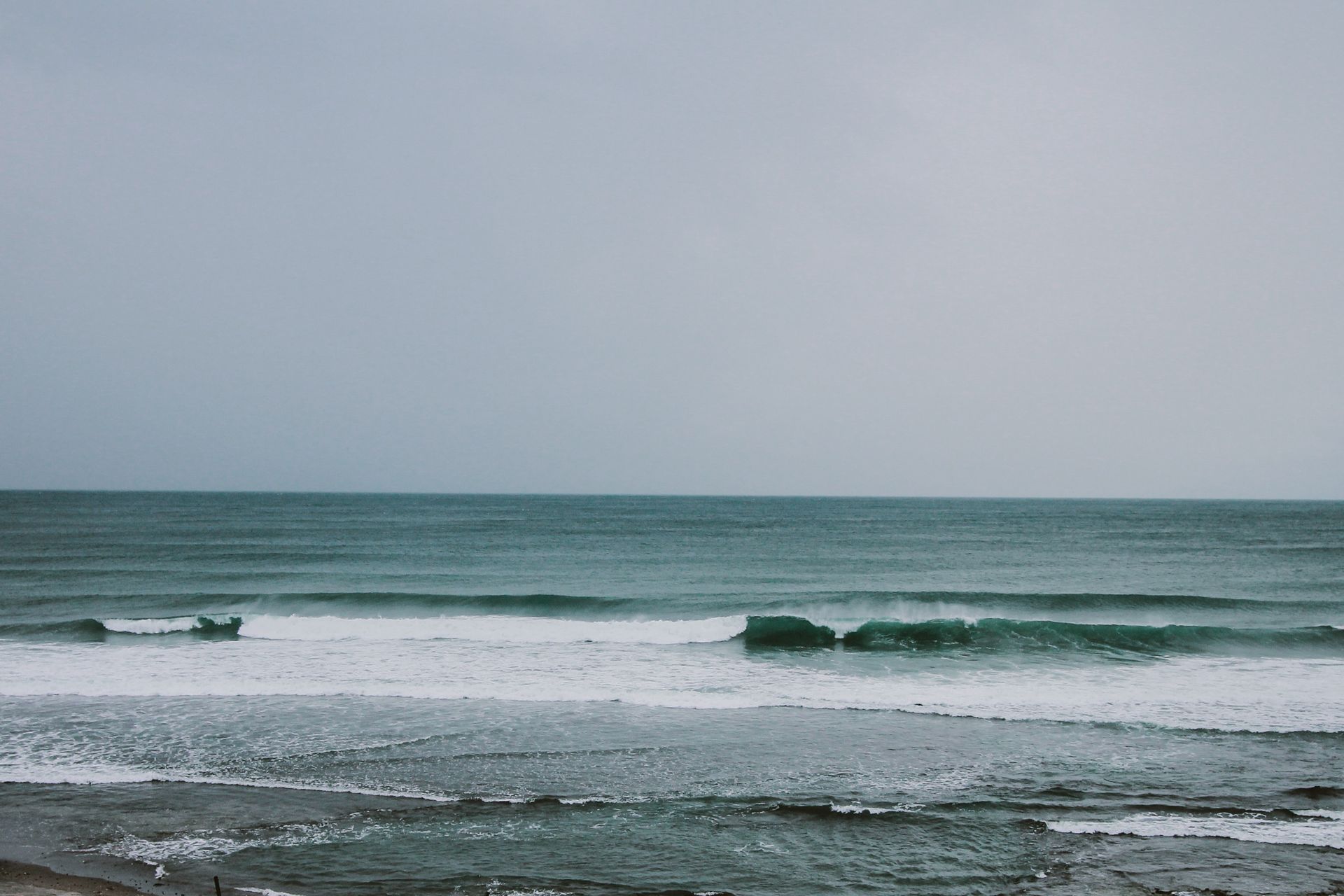
The idea that the sea is good for us is old enough to be a cliché. Victorian doctors prescribed coastal air, seaside towns built their fortunes on the promise of restorative waters, and generations have described a walk along the shore as clearing the head. What is new is that scientists are beginning to treat this intuition as a testable claim, and the emerging field has a name: blue-space therapy.
The Guardian profiles people for whom that claim is not abstract. Among them is Dave Phillips, a former British army corporal who described standing at a cliff edge in Cornwall several years ago, overwhelmed by untreated post-traumatic stress disorder after losing loved ones in quick succession. From a generation that, in his words, did not talk about such things, he found in the water an unexpected route back toward help.
Blue space is the term researchers use for outdoor environments dominated by water, distinguishing it from the greenery of parks and forests that has been studied for longer. The hypothesis is that being beside, in or on water produces measurable psychological benefits, from lowered stress markers to improved mood, and that these effects can be harnessed deliberately rather than left to chance.
The mechanisms are still being mapped, and honesty about that uncertainty matters. Some researchers point to the sensory qualities of water: the rhythmic sound of waves, the wide horizon, the way open water pulls attention outward and away from rumination. Others emphasise the physical activity that often accompanies it, since swimming, surfing and coastal walking carry their own well-documented benefits for the body and mind.
Cold-water immersion has drawn particular attention, though it should be approached with care. Advocates describe a jolt of alertness and a lifting of mood after a cold swim, and small studies have explored effects on inflammation and stress physiology. Researchers caution that the evidence remains early, that cold water carries genuine risks, and that no one should plunge in without understanding those dangers.
What gives the field credibility is that it is not resting on anecdote alone. Environmental psychologists have begun to design studies that compare time in blue spaces with other settings, measuring outcomes rather than simply collecting testimonials. The picture is still forming, but the direction of travel is toward taking the ancient sea cure seriously as a subject of inquiry.
Importantly, no responsible advocate is presenting blue space as a replacement for clinical care. For conditions such as PTSD, anxiety disorders and addiction, established treatments including therapy and, where appropriate, medication remain the foundation. The more measured claim is that structured contact with water may be a valuable complement, one more tool alongside the proven ones.
There is also an accessibility question that the field cannot ignore. Not everyone lives near a coastline, and the benefits of blue space should not become a privilege of geography or income. Researchers and community programmes are exploring how rivers, urban canals and lakes might extend the reach of these ideas to people far from the sea.
For readers curious about trying it, the practical advice is modest and safety-first. Begin with simply spending unhurried time near water, whether a beach, a lake or a riverbank, and pay attention to how it feels. Anyone considering cold-water swimming should seek guidance, go with others, and never treat bravado as a substitute for caution.
The deeper appeal of blue-space therapy may be that it reframes something free and widely available as potentially medicinal. In an era of expensive interventions, the notion that a shoreline could support mental health is quietly radical. The science is not settled, but the questions it is asking are serious ones, and for people like Dave Phillips, the answers have already changed a life.
Read next

MenB vaccine and gonorrhoea: what a major study found about cross-protection
A major study reports that the meningitis B vaccine does not protect men against gonorrhoea, despite hopes that the two bacteria were similar enough for cross-protection. The finding tempers optimism about repurposing an existing vaccine to slow a sexually transmitted infection that is growing harder to treat.

Lung transplants for advanced lung cancer: what a new study found, and the ethical questions it raises
Patients with stage 4 lung cancer confined to the lungs have long been considered unsuitable for organ transplant. A new study reports that carefully selected patients did well after receiving new lungs, a finding that reopens a difficult debate about how to allocate scarce donor organs.

Orforglipron: the daily weight-loss pill that beat oral Ozempic in a major trial
A once-daily tablet called orforglipron delivered greater weight loss and blood-sugar improvement than the leading oral semaglutide in people with type 2 diabetes, according to a major clinical trial. Because the pill needs no refrigeration and is cheaper to make, researchers say it could widen global access to obesity treatment.

How to disinfect your home after illness: a room-by-room guide to stopping the spread
After a bout of flu or a stomach bug, a proper clean can stop the illness spreading to the rest of the household. Cold and flu viruses can linger on hard surfaces for up to two days, so knowing which surfaces to target, and how, is the key to breaking the chain of infection.

Intermittent fasting vs counting calories: why fasting may be easier to stick to
A new trial found intermittent fasting produced weight loss on par with daily calorie restriction, but participants reported feeling less burdened by constant food monitoring. Researchers say that difference in mental effort could make fasting a more sustainable option for people who struggle to count calories every day.