Orforglipron: the daily weight-loss pill that beat oral Ozempic in a major trial
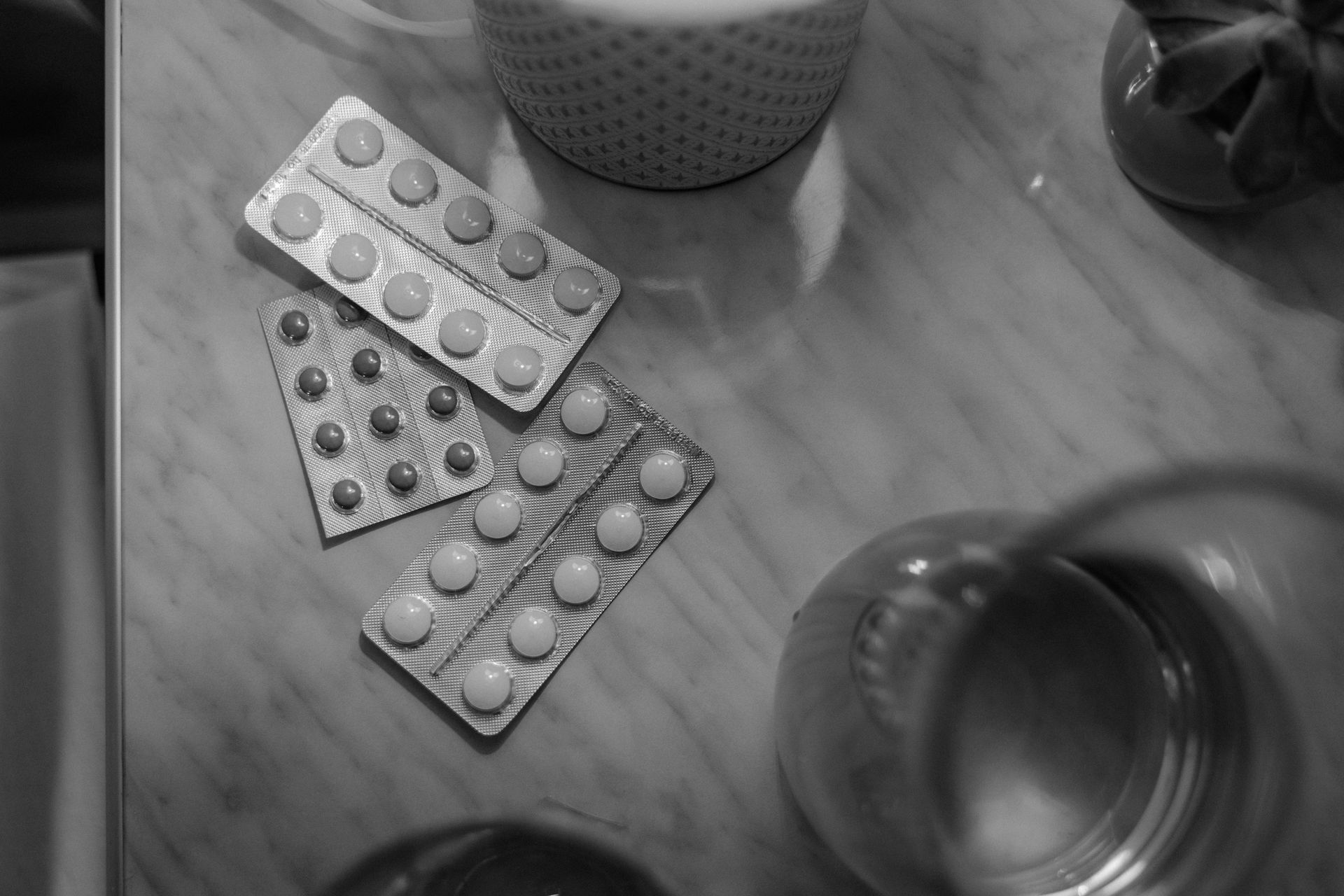
The drugs that have reshaped the treatment of obesity over the past few years share a common inconvenience: most are injections. Semaglutide, sold as Ozempic and Wegovy, and its rivals are typically delivered by needle, which brings cost, cold storage and a psychological barrier for people uneasy about self-injection. A new trial suggests a simpler option may be arriving in the form of a daily pill.
The drug is called orforglipron, and in a major clinical trial it was tested in people with type 2 diabetes. According to the study, the once-daily tablet produced greater weight loss and better blood-sugar improvements than the leading oral form of semaglutide. In a field where injectables have dominated, a pill outperforming an established oral competitor is a notable result.
Orforglipron belongs to the same broad family of medicines that has driven the obesity boom, drugs that mimic or amplify the effects of hormones involved in appetite and blood-sugar regulation. What sets it apart is its chemistry. It is a small molecule rather than a larger peptide, which is part of why it can be formulated as a convenient tablet rather than an injection.
That distinction carries practical weight far beyond convenience. Injectable versions generally require refrigeration, which complicates distribution in hot climates and places without reliable cold storage. A stable pill that can sit on a shelf removes a logistical hurdle that has limited these treatments in much of the world, and it is typically cheaper to manufacture at scale.
Cost and access are the quiet subtext of the entire obesity-drug story. The current medicines are expensive, and demand has repeatedly outstripped supply. A pill that is cheaper to produce and easier to ship could, in principle, extend treatment to far more people, particularly in lower-income countries where obesity and type 2 diabetes are rising fast.
Still, the results warrant careful reading rather than celebration. The trial focused on people with type 2 diabetes, and outcomes in other groups, including those taking a weight-loss drug purely for obesity, are studied separately. Comparisons between drugs also depend heavily on dose and trial design, and a single study is one piece of a larger evidence base.
Side effects remain part of the picture. Medicines in this class are well known for gastrointestinal effects such as nausea, and long-term safety and durability of weight loss are questions that only extended follow-up can answer. Enthusiasm about a convenient pill should not outrun the data on how people tolerate it over years rather than months.
There is also the perennial issue of what happens when treatment stops. Studies of related drugs have found that much of the lost weight can return once patients discontinue, raising the prospect of long-term or even lifelong use. That reality shapes the cost conversation, because a cheaper pill taken indefinitely still adds up for both patients and health systems.
For doctors and patients, the significance is less about any single trial result and more about direction. The move from injection to pill mirrors what happened with other chronic-disease treatments, where oral options eventually broadened access once the science allowed. If orforglipron and drugs like it hold up, the next phase of obesity treatment may be defined by pills as much as needles.
The broader story is one of a field maturing quickly. In a few short years, obesity has gone from a condition with few effective drug options to one with a crowded and competitive pipeline. A convenient, cheaper daily tablet that performs well in trials is exactly the kind of development that could turn a breakthrough enjoyed by some into a treatment available to many.
Read next

MenB vaccine and gonorrhoea: what a major study found about cross-protection
A major study reports that the meningitis B vaccine does not protect men against gonorrhoea, despite hopes that the two bacteria were similar enough for cross-protection. The finding tempers optimism about repurposing an existing vaccine to slow a sexually transmitted infection that is growing harder to treat.

Lung transplants for advanced lung cancer: what a new study found, and the ethical questions it raises
Patients with stage 4 lung cancer confined to the lungs have long been considered unsuitable for organ transplant. A new study reports that carefully selected patients did well after receiving new lungs, a finding that reopens a difficult debate about how to allocate scarce donor organs.

How to disinfect your home after illness: a room-by-room guide to stopping the spread
After a bout of flu or a stomach bug, a proper clean can stop the illness spreading to the rest of the household. Cold and flu viruses can linger on hard surfaces for up to two days, so knowing which surfaces to target, and how, is the key to breaking the chain of infection.

Blue-space therapy: how time near the sea may help with trauma, anxiety and addiction
Blue-space therapy is the growing idea that structured contact with oceans, rivers and lakes can support mental health. Once dismissed as folklore about sea air, the concept is now drawing serious research interest into how water may help people cope with trauma, anxiety and addiction.

Intermittent fasting vs counting calories: why fasting may be easier to stick to
A new trial found intermittent fasting produced weight loss on par with daily calorie restriction, but participants reported feeling less burdened by constant food monitoring. Researchers say that difference in mental effort could make fasting a more sustainable option for people who struggle to count calories every day.