UK aid worker evacuated to London hospital for Ebola monitoring after DR Congo exposure
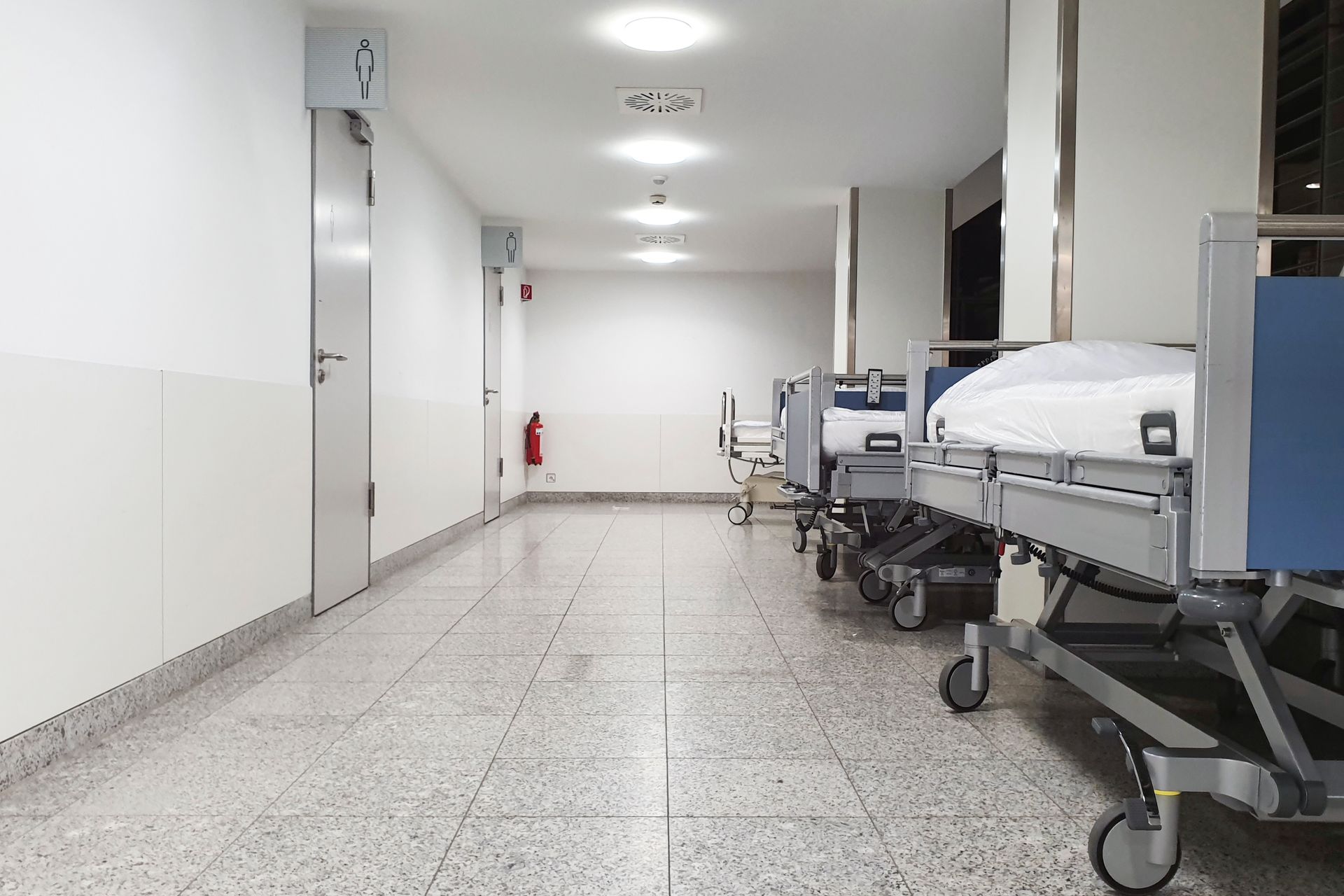
A British national working for a humanitarian organisation in the Democratic Republic of Congo has been transferred to a London hospital with a specialist infection unit as a precaution against possible Ebola exposure. Health officials say the individual has shown no symptoms of illness so far, but is being monitored under isolation because of work in a high-risk area.
Such evacuations are part of standard protocols that international aid organisations apply to protect their staff. Personnel working in the region are closely tracked if they may have worked near a facility with confirmed Ebola cases or had contact with an infected patient. Experts say early isolation is one of the most effective ways to protect both the worker and public health.
Ebola spreads through direct contact with blood and other bodily fluids, and symptoms can appear anywhere from two to 21 days after exposure. Health authorities therefore apply a three-week observation window following potential exposure. During this period, the individual is checked regularly for symptoms such as fever, fatigue or bleeding.
The ongoing outbreak in the Democratic Republic of Congo is described as one of the country's most serious Ebola crises in recent years. Health workers and aid staff are among the groups most exposed to the virus, since their work often requires direct contact with patients. This explains why evacuation and isolation protocols for international personnel in the field are kept so strict.
The London hospital is one of a small number of UK facilities specifically designated for high-consequence infectious diseases. Such units are equipped with dedicated ventilation systems and rigorous protocols, designed both to treat the patient and to prevent any spread of the virus into the wider community. Officials stress that the public health risk remains low, since the individual has not shown any symptoms that would indicate they are contagious.
The case also comes as an experimental Ebola vaccine begins its first human trials. Health officials say vaccine research could eventually help bring the regional outbreak under control, though that process will take time. In the meantime, evacuation and isolation measures remain critical to protecting personnel in the field.
International aid organisations continually review safety protocols for their staff. Some groups have limited the number of personnel deployed to outbreak areas, while others have introduced additional protective equipment and regular health screenings. Experts say such measures are necessary both to protect workers and to keep aid operations running.
Public health specialists note that cases like this naturally draw media attention but should not cause alarm. They point out that the virus does not spread through the air, and that strict isolation measures are effective at preventing transmission. Still, the case stands as an example of how a regional outbreak can quickly become an international story in a globalised world.
Health officials say they plan to share updates on the observation process and that the individual's condition will be closely followed. Meanwhile, efforts to contain the outbreak in the Democratic Republic of Congo continue with support from international health organisations.
Read next
Can a daily fiber supplement ease knee arthritis pain?
In a six-week clinical trial, a prebiotic fiber supplement reduced knee osteoarthritis pain while also improving grip strength and pain sensitivity. The results point to a fascinating gut-muscle-pain connection that researchers are only beginning to understand. Scientists suggest a simple daily supplement may prove easier for patients to stick with than digital physiotherapy programmes.
Why losing the wrong kind of fat can trigger diabetes
New research finds that damaged fat cells can become inflamed, lose their ability to store lipids, and eventually vanish, disrupting the body's metabolism in the process. The findings show that diabetes can result not only from excess fat, but also from losing the healthy fat tissue the body actually needs. It's a finding that challenges the conventional story of how the disease develops.
What is ex-vivo lung perfusion, and how it's saving more donor organs
England's health quality watchdog, NICE, has backed wider use of a machine that keeps donated lungs alive outside the body, a technology that could save up to four in five donor lungs currently going to waste. The UK has one of the poorest lung transplant rates in the world, with 170 patients — including six children — currently waiting for new lungs.
HIV funding: why an 18% drop in global financing has experts fearing a resurgence
A new UNAIDS report finds that global funding to fight HIV fell 18% last year, a drop the agency calls a "profound shock" to the international response. Experts warn that cuts to treatment and prevention programmes could drive a rise in new infections, particularly in lower-income countries. The report highlights the risk of reversing decades of hard-won progress against the epidemic.

Morning-after pill: how a free pharmacy scheme reached hundreds of thousands of women
Since October, England's high street pharmacies have offered the morning-after pill free of charge under a new NHS-backed scheme, reaching hundreds of thousands of women. Health officials say the programme targets a long-standing access gap for emergency contraception. Campaigners hope it will reduce unplanned pregnancies among lower-income women.