Can a daily fiber supplement ease knee arthritis pain?
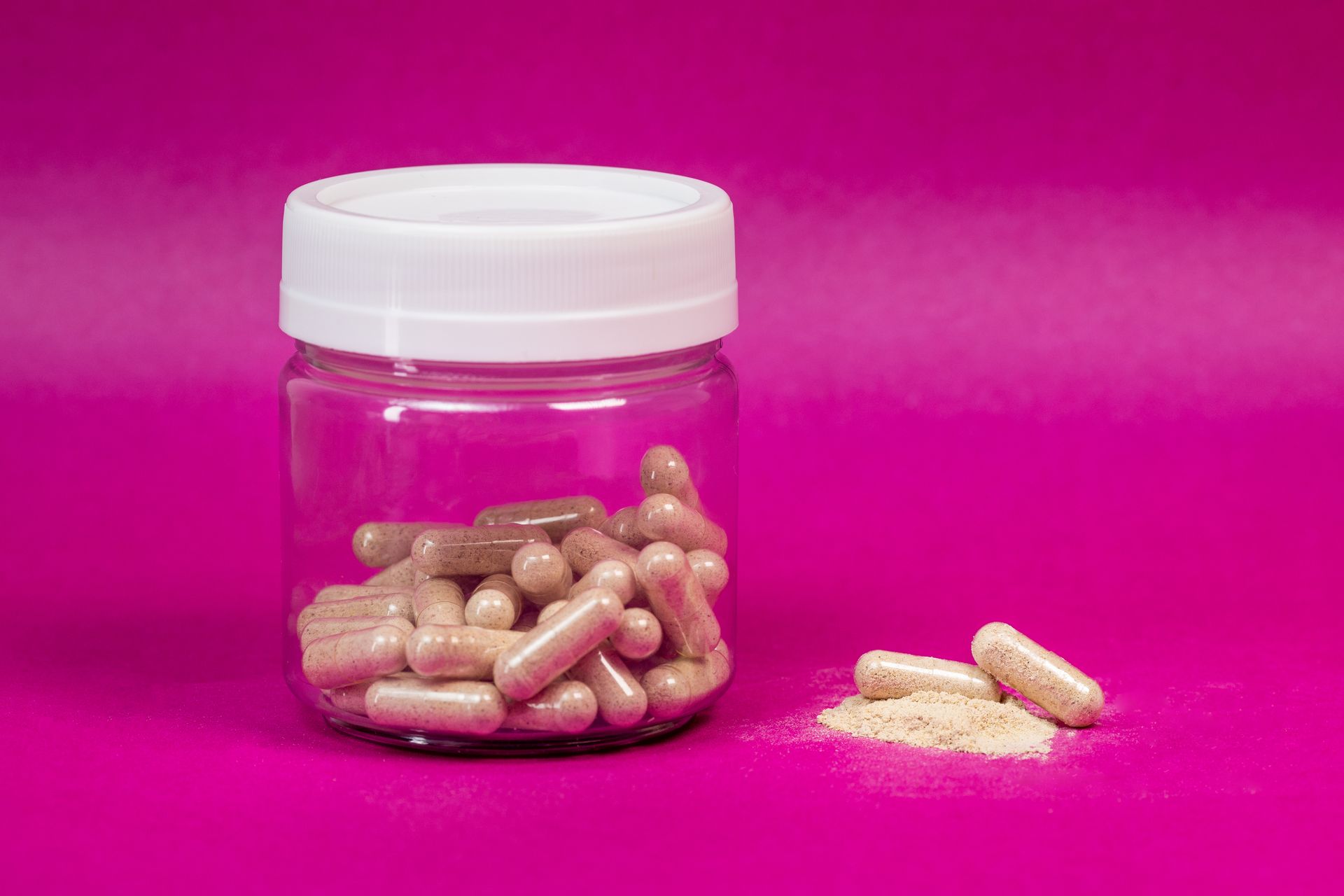
Knee osteoarthritis is a chronic joint condition that affects millions of people worldwide and typically worsens with age. Standard treatments include pain medication, physiotherapy and, in advanced cases, surgery — but none of these options reverse the underlying disease process. Now a new study suggests a far simpler, and rather unexpected, intervention might help: a daily fiber supplement.
Researchers gave participants diagnosed with knee osteoarthritis a prebiotic fiber supplement over the course of a six-week clinical trial. Prebiotics are a special category of fiber known for feeding beneficial gut bacteria, and their effects on digestive health have been studied before.
By the end of the trial, participants taking the supplement reported both a marked reduction in pain levels and a measurable increase in grip strength. Researchers also observed an improvement in participants' pain sensitivity — suggesting the supplement wasn't simply masking symptoms, but altering the underlying perception of pain itself.
The findings point to what scientists call a "gut-muscle-pain axis" — a biological connection that isn't yet fully understood. The theory holds that changes in the gut microbiome can influence inflammation levels throughout the body, which may in turn be one of the factors determining the severity of joint pain and damage.
Researchers explain that as prebiotic fibers are broken down in the gut, they produce compounds called short-chain fatty acids. These compounds are thought to enter the bloodstream and help regulate the body's overall inflammatory response. If this mechanism is confirmed, it could open the door to an entirely new approach to treating joint pain.
Experts stress that the finding also matters from a practical standpoint. While digital physiotherapy programmes or regular exercise routines can be effective, many patients struggle to stick with them over the long term. Taking a daily supplement, by contrast, is a far simpler habit — one that could improve treatment adherence.
Still, researchers urge cautious optimism. A six-week trial is not enough to prove long-term effectiveness, and larger, longer-running studies are needed. Further research is also required to determine which types of fiber, and at what doses, are most effective.
Scientists note that the finding also brings a more holistic perspective to osteoarthritis treatment. The disease has long been viewed largely as a mechanical wear-and-tear problem confined to the joint — but mounting evidence suggests the body's broader metabolic and microbial health may also play a role in joint pain.
If future studies confirm these findings, doctors could recommend nutrition-based interventions alongside standard treatments for patients with knee osteoarthritis. That could mean a treatment option that is both cheaper and carries fewer side effects.
The research team says the next step is to plan studies with larger participant groups and longer observation periods. These studies aim to clarify whether the fiber supplement's effect is lasting, and which patient groups stand to benefit most from this approach.
Read next
Why losing the wrong kind of fat can trigger diabetes
New research finds that damaged fat cells can become inflamed, lose their ability to store lipids, and eventually vanish, disrupting the body's metabolism in the process. The findings show that diabetes can result not only from excess fat, but also from losing the healthy fat tissue the body actually needs. It's a finding that challenges the conventional story of how the disease develops.
What is ex-vivo lung perfusion, and how it's saving more donor organs
England's health quality watchdog, NICE, has backed wider use of a machine that keeps donated lungs alive outside the body, a technology that could save up to four in five donor lungs currently going to waste. The UK has one of the poorest lung transplant rates in the world, with 170 patients — including six children — currently waiting for new lungs.
HIV funding: why an 18% drop in global financing has experts fearing a resurgence
A new UNAIDS report finds that global funding to fight HIV fell 18% last year, a drop the agency calls a "profound shock" to the international response. Experts warn that cuts to treatment and prevention programmes could drive a rise in new infections, particularly in lower-income countries. The report highlights the risk of reversing decades of hard-won progress against the epidemic.

UK aid worker evacuated to London hospital for Ebola monitoring after DR Congo exposure
A British humanitarian worker has been evacuated to a London hospital for monitoring after potential exposure to Ebola while working in the Democratic Republic of Congo. The worker is under isolation precautions and has not been confirmed to have symptoms. The case illustrates how the region's ongoing outbreak is prompting international health systems into precautionary action.

Morning-after pill: how a free pharmacy scheme reached hundreds of thousands of women
Since October, England's high street pharmacies have offered the morning-after pill free of charge under a new NHS-backed scheme, reaching hundreds of thousands of women. Health officials say the programme targets a long-standing access gap for emergency contraception. Campaigners hope it will reduce unplanned pregnancies among lower-income women.