What is ex-vivo lung perfusion, and how it's saving more donor organs
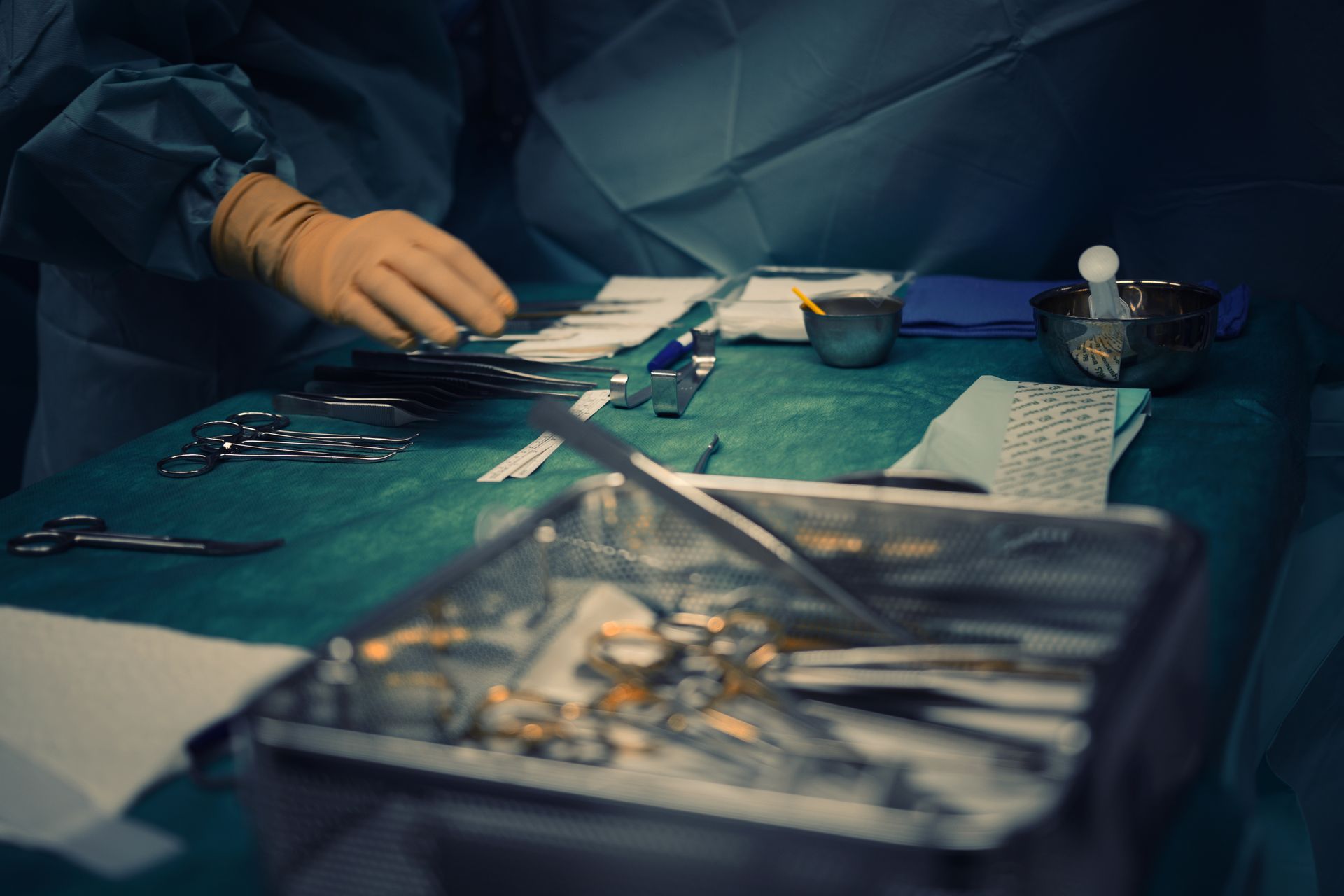
Lung transplantation is considered one of the most challenging forms of organ transplant, largely because lungs can deteriorate very quickly once removed from a donor's body. In the traditional method, an organ is preserved in a cold solution and must reach the recipient as fast as possible. But damage that occurs to lung tissue during that window means many donated organs end up deemed unsuitable for transplant.
A technology developed in recent years is beginning to change that picture. Known as ex-vivo lung perfusion (EVLP), the system keeps a lung effectively "alive" outside the body by circulating a warm, oxygenated fluid through it. This allows doctors to observe the organ for hours before transplant, test its function, and in some cases even treat it.
NICE, the independent body that assesses health technologies in England, has backed wider use of the system across England and Wales. The agency says the technology could help rescue up to four in five donated lungs that currently go to waste because they are deemed unsuitable for transplant.
This is a particularly significant development for England, which has one of the lowest lung transplant rates in the world. According to the latest figures from NHS Blood and Transplant, 170 patients — including six children — are currently waiting for a new lung. Many of these patients live with chronic respiratory failure that severely affects daily quality of life while they wait for a suitable organ.
Experts say EVLP technology doesn't just make more organs usable — it can also improve outcomes after transplant. Testing an organ outside the body gives doctors a much clearer picture of a lung's actual function, reducing the risk that a compromised organ is mistakenly transplanted.
Another advantage of the system is that it eases time pressure. Under the traditional method, transplant teams had to act within a narrow window before an organ began to deteriorate. EVLP significantly extends that window, easing logistical planning and reducing reliance on rushed, middle-of-the-night operations.
The technology also allows some borderline lungs to be treated and made suitable for transplant. A lung showing mild signs of infection, for example, can have antibiotics administered directly while outside the body. This makes it possible to rescue organs that would previously have been considered unusable.
On cost, while EVLP systems are expensive to install and operate, health economists argue the expense can pay off in the long run. Making more organs usable shortens waiting lists and can reduce patients' need for prolonged intensive care, potentially generating savings for the health system overall.
Experts note the technology is not limited to lungs — similar perfusion systems are being developed for other organs, including kidneys and livers. This is seen as part of a broader transformation in the field of organ transplantation.
NICE's approval paves the way for the technology to become a more standard practice at transplant centres across England. Health officials hope the move will help reduce the number of patients on waiting lists in the years ahead.
Read next
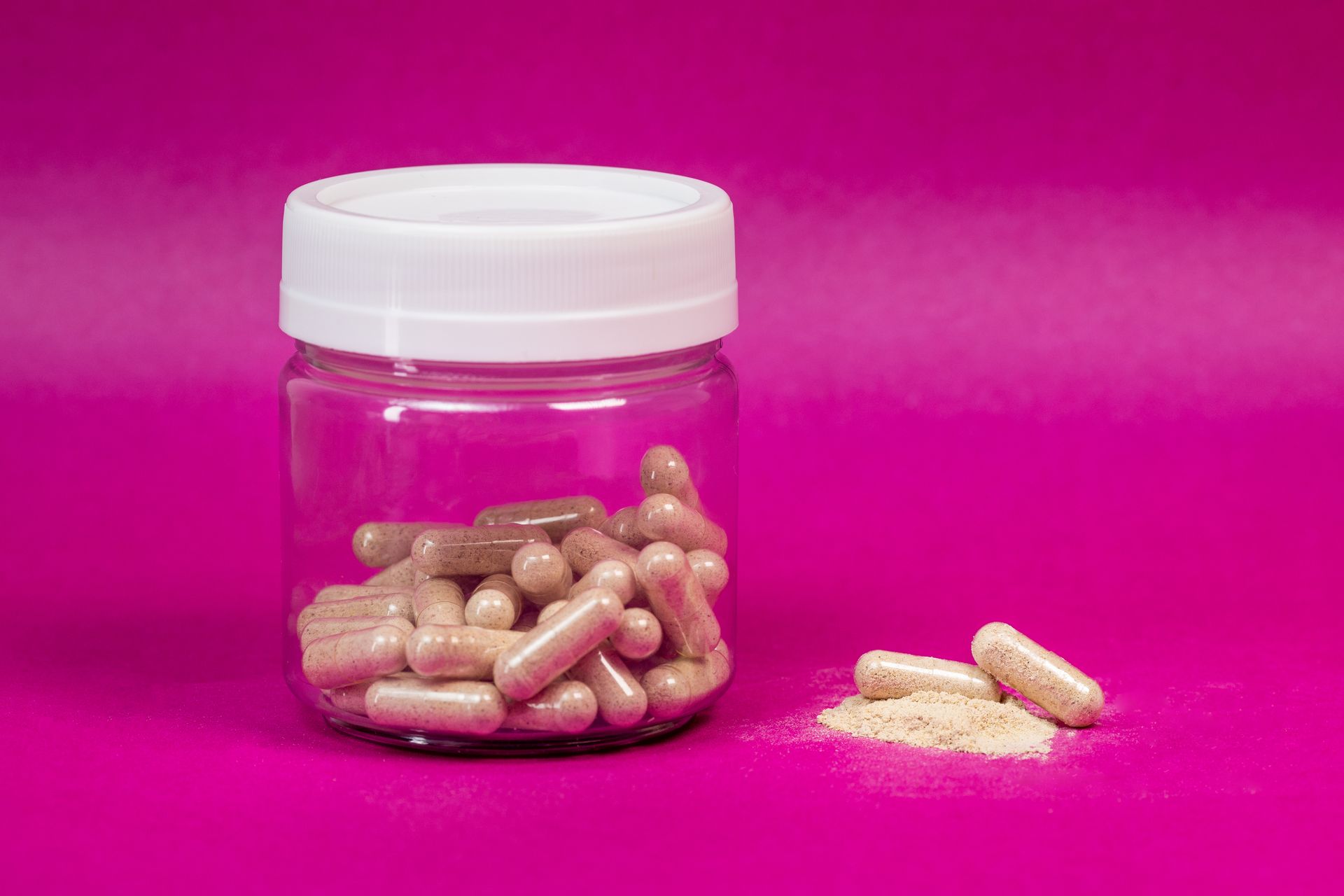
Can a daily fiber supplement ease knee arthritis pain?
In a six-week clinical trial, a prebiotic fiber supplement reduced knee osteoarthritis pain while also improving grip strength and pain sensitivity. The results point to a fascinating gut-muscle-pain connection that researchers are only beginning to understand. Scientists suggest a simple daily supplement may prove easier for patients to stick with than digital physiotherapy programmes.
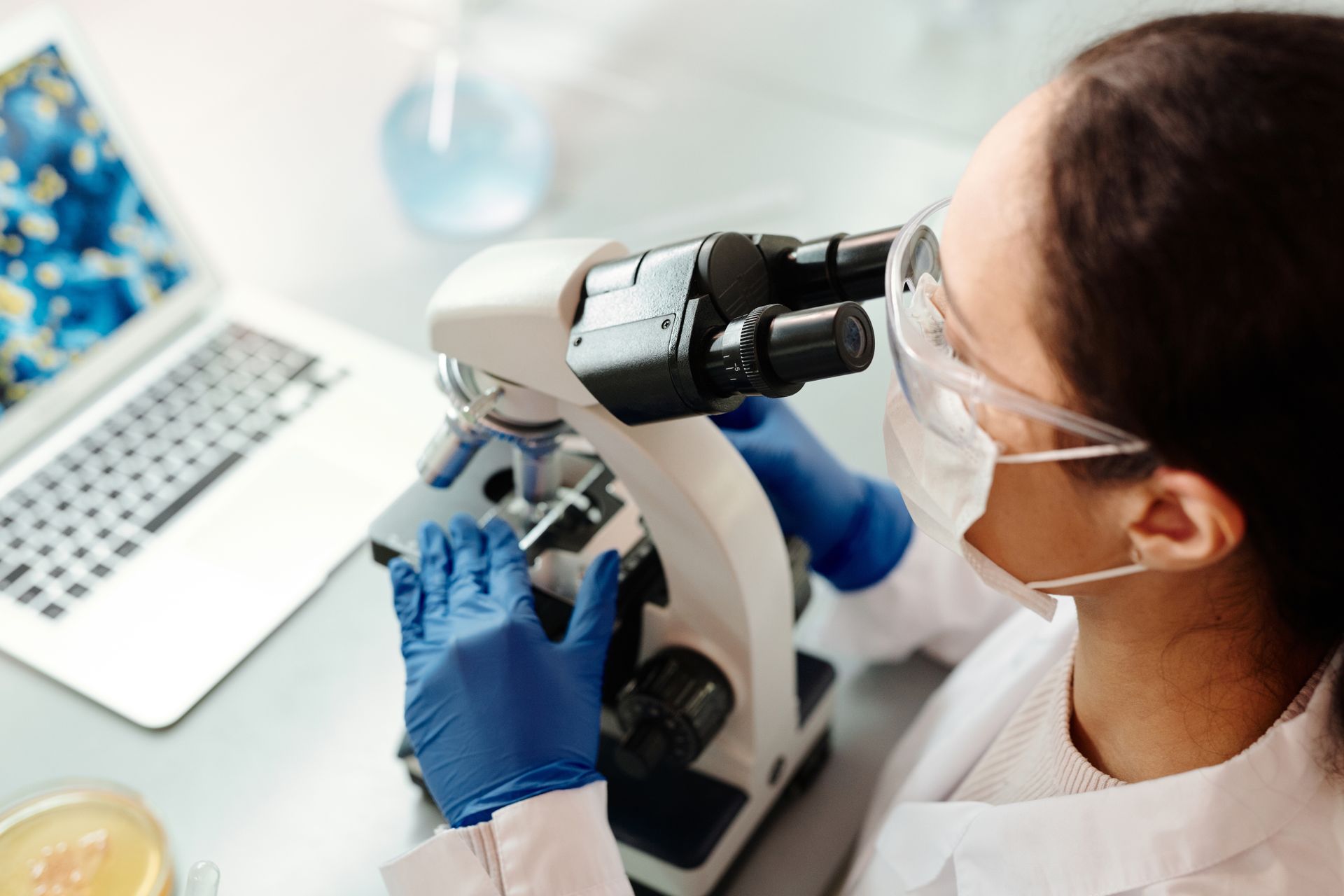
Why losing the wrong kind of fat can trigger diabetes
New research finds that damaged fat cells can become inflamed, lose their ability to store lipids, and eventually vanish, disrupting the body's metabolism in the process. The findings show that diabetes can result not only from excess fat, but also from losing the healthy fat tissue the body actually needs. It's a finding that challenges the conventional story of how the disease develops.
HIV funding: why an 18% drop in global financing has experts fearing a resurgence
A new UNAIDS report finds that global funding to fight HIV fell 18% last year, a drop the agency calls a "profound shock" to the international response. Experts warn that cuts to treatment and prevention programmes could drive a rise in new infections, particularly in lower-income countries. The report highlights the risk of reversing decades of hard-won progress against the epidemic.
UK aid worker evacuated to London hospital for Ebola monitoring after DR Congo exposure
A British humanitarian worker has been evacuated to a London hospital for monitoring after potential exposure to Ebola while working in the Democratic Republic of Congo. The worker is under isolation precautions and has not been confirmed to have symptoms. The case illustrates how the region's ongoing outbreak is prompting international health systems into precautionary action.

Morning-after pill: how a free pharmacy scheme reached hundreds of thousands of women
Since October, England's high street pharmacies have offered the morning-after pill free of charge under a new NHS-backed scheme, reaching hundreds of thousands of women. Health officials say the programme targets a long-standing access gap for emergency contraception. Campaigners hope it will reduce unplanned pregnancies among lower-income women.