NHS spends record £241m outsourcing scan analysis to private firms
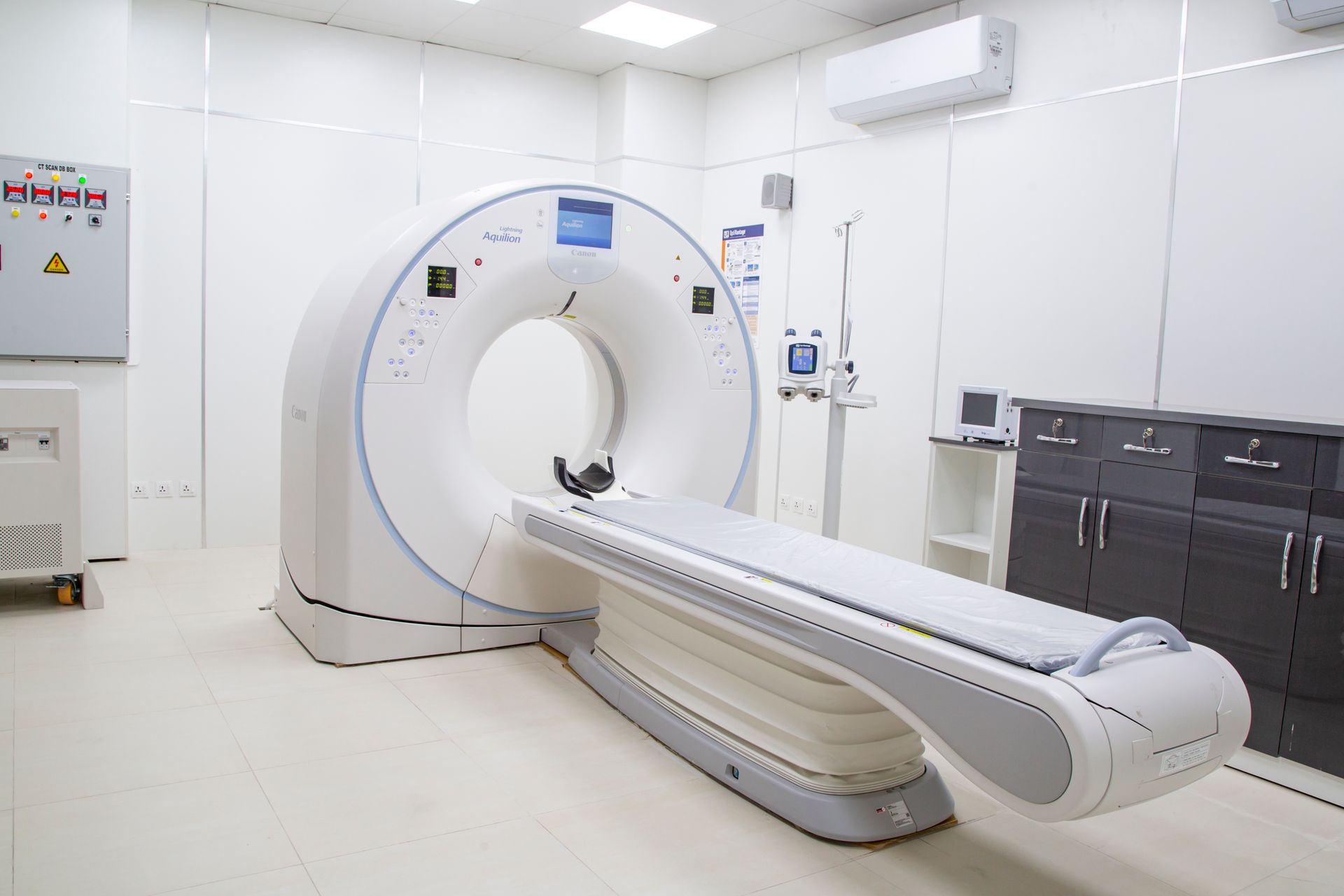
England's national health service, the NHS, spent a record £241m outsourcing the interpretation of medical imaging scans to private firms. According to research reported by The Guardian, the trend stems from hospitals being too busy and short of staff.
Imaging methods such as CT and MRI are among the foundational tools of modern diagnosis. But interpreting a scan accurately is as critical as performing it, and that work is done by specialist radiologists. According to the research, hospitals cannot meet this load with their own staff and are therefore sending the work out.
Experts representing radiologists say the outsourced analysis costs are 'spiralling out of control'. According to the report, this picture is assessed as the result of a 'short-sighted' policy approach stemming from a failure to train enough doctors.
Outsourcing can reduce the backlog of waiting scans in the short term, but it can raise costs over the long term and delay the opportunity to strengthen the system's own capacity. That balance sits at the centre of health-policy debate.
Another concern raised in the report is that some scan reports from private firms may raise questions over quality. Because the consistency of radiological interpretation is decisive for diagnostic accuracy, this point is seen as important.
In a large public health system like the NHS, staffing planning is an investment that must be made years in advance. Because training a radiologist takes a long time, the origin of today's shortfalls lies in the education and employment decisions of earlier periods.
The assessment presented to ministers states that the rise in outsourcing spending points to a structural problem. Training more doctors and strengthening internal capacity are highlighted as the solution.
Rising demand for scans, meanwhile, is not unique to England. An ageing population, early-detection policies and the spread of imaging technologies are increasing the radiology workload worldwide. That leaves many health systems facing similar capacity debates.
Artificial-intelligence-assisted image analysis is raised in some quarters as a tool that could ease this load. But the clinical use of such tools requires resolving questions of accuracy, accountability and regulatory approval.
This article reports on a health-policy development and does not constitute medical advice. For individual decisions about health care, the relevant professionals should be consulted.