Why half of all vaccines get thrown away — and how 'fridge-free' doses could fix it
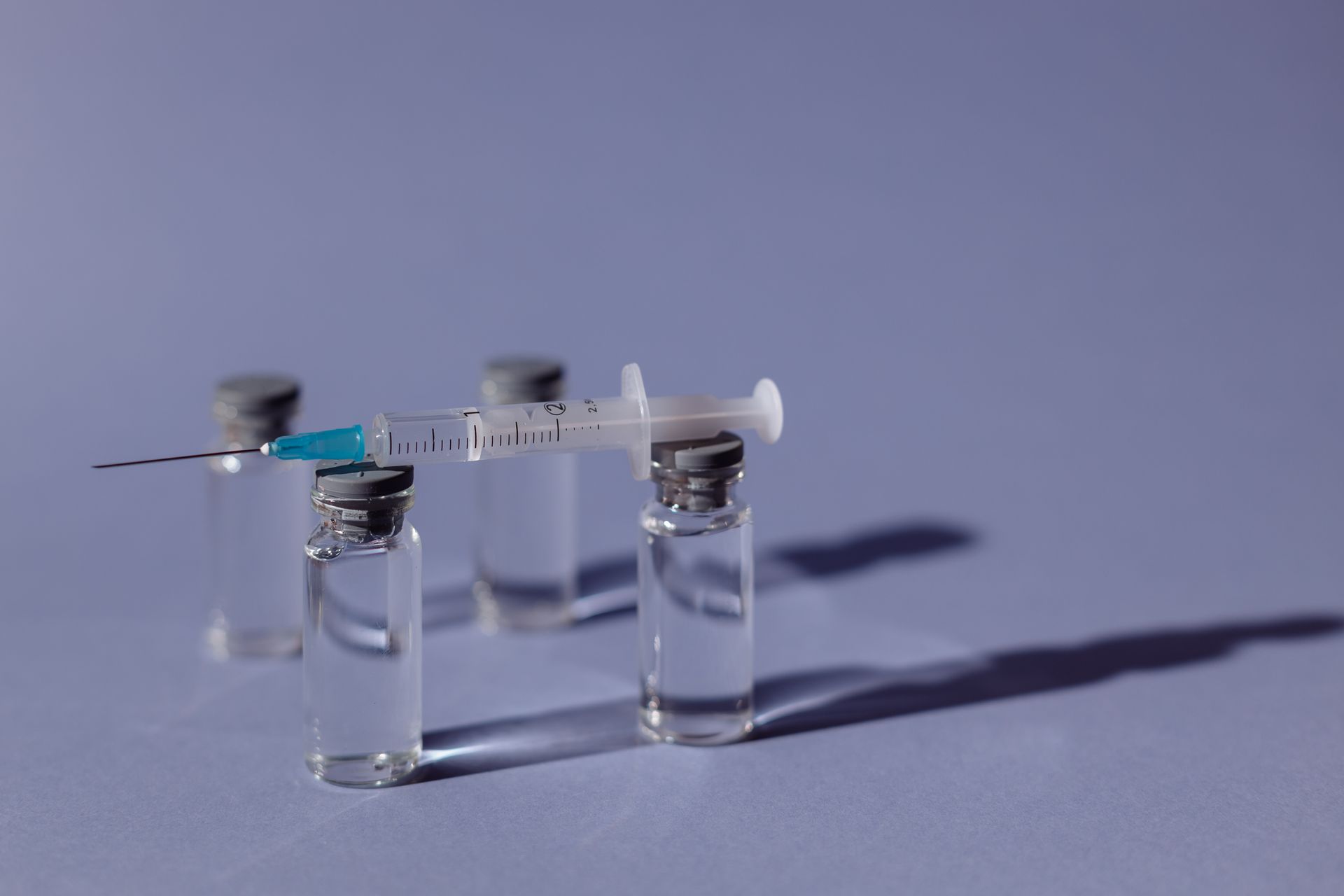
Every year, a significant share of the vaccines the world produces never reaches an arm. The reason isn't viral mutation or lack of demand — it's something far more mundane: temperature. Most vaccines have to stay within a narrow cold chain, typically between 2 and 8 degrees Celsius, from the moment they're manufactured until the moment they're administered. Any break in that chain can render an entire shipment useless.
According to the BBC, the scale of that waste is striking: roughly half of all vaccines produced worldwide end up discarded. The rate is far higher in low- and middle-income countries, where reliable electricity is scarce and refrigeration equipment is expensive or simply unavailable. The result is millions of people who could have been protected from preventable diseases but weren't.
Researchers now say they've developed a method that could fix the problem at its root. According to the BBC, scientists have managed to keep certain vaccines stable at room temperature for a full year — without any refrigeration at all. The breakthrough comes from chemically re-engineering the vaccine formulation itself, using a new stabilization method that protects the active ingredients from temperature swings.
The cold-chain problem isn't just a logistics footnote; it's one of the most stubborn barriers in global public health. Getting vaccines to rural areas, conflict zones, or places without reliable power has long been one of the biggest challenges facing health workers. From the moment a vaccine leaves a refrigerated depot, the clock starts running.
The potential impact of 'fridge-free' vaccines is substantial. Health experts say the technology could be especially transformative for outbreak response, since natural disasters or conflicts often knock out cold-chain infrastructure exactly when it's needed most, rendering conventional vaccines useless within minutes. A room-temperature-stable vaccine allows for a far more flexible emergency response.
There are meaningful cost savings too. Building and maintaining cold-chain infrastructure — from specialized transport vehicles to solar-powered refrigerators — consumes a large share of global immunization budgets. Removing that requirement means the same budget could reach far more people.
Scientists say they tested the approach first on specific vaccine types, but believe the method could be adapted to other vaccine categories as well. The process is still in early stages, though clinical testing is expected to expand in the coming period.
Experts are approaching the development with cautious optimism. Researchers who spoke to the BBC stressed that the technology still needs to clear regulatory approval and prove it can be manufactured at scale — but they describe the lab results so far as encouraging.
If the technology is rolled out widely, its impact is likely to be felt most in remote parts of sub-Saharan Africa and South Asia, where the absence of cold-chain infrastructure has long been one of the primary constraints on vaccination rates.
Ultimately, the discovery is a striking example of how a relatively small chemical adjustment could solve an enormous global problem. In a world where vaccines no longer depend on a refrigerator, millions of wasted doses could be prevented — and that could translate into countless lives saved.
Read next
Why does dirty air trigger painful rheumatoid arthritis flares
A new study reported by Science Daily finds that tiny air pollution particles from smoke, soot, and dust may worsen rheumatoid arthritis and trigger painful flares. Prolonged exposure appears to raise the risk the most.

Dementia risk: the 4 changeable health factors a long-term brain study flagged
According to Science Daily, a long-term brain study has identified four common, changeable health risks strongly linked to vascular dementia: smoking, high blood pressure, heart disease, and high blood lipids. Researchers say managing these risks together could reduce several types of brain damage at once.

Spice in kids' vapes: why children are unknowingly inhaling a drug once known for prison use
According to the Guardian, an analysis of vapes confiscated from schoolchildren found many contained not cannabis but the synthetic cannabinoid known as spice. Experts warn parents may be misidentifying what their children are using — and that spice carries far greater risks.
Why a Covid-19 infection can wake up dormant viruses already in your body
A new study reported by STAT News finds that a Covid-19 infection can reawaken other viruses that have lain dormant in the body for years. The finding could help explain some of the lingering symptoms associated with long Covid.

AI-designed viruses: what the first successful lab test means for biosecurity
Scientists have successfully created 16 viruses whose genetic code was designed entirely by artificial intelligence, according to the BBC. The bacteria-targeting viruses mark a milestone for AI in biology — and have reopened a debate about how such tools should be controlled.