How to protect your joints: 14 expert tips for stronger, healthier movement

Few things sound as close to a miracle cure as the message physiotherapists keep repeating: small, regular doses of exercise are among the most effective ways to protect your joints. A Guardian feature gathered expert advice into a set of practical tips, and the underlying idea is reassuringly simple, that movement, in the right amount, keeps joints healthier for longer.
The first principle is that joints are made to be used. Cartilage has no direct blood supply and relies on movement to draw in nutrients and flush out waste. Long periods of stillness starve the joint, while gentle, repeated motion acts like a pump, which is why prolonged sitting often leaves people stiffer than activity does.
Strength training tops most experts' lists. Strong muscles around a joint absorb load that would otherwise fall on cartilage and ligaments, effectively cushioning the structure. Building strength in the quadriceps, glutes and core in particular takes pressure off the knees, hips and spine.
Low-impact exercise is the second pillar. Swimming, cycling and using an elliptical machine let people build fitness and joint resilience without the repeated pounding of high-impact activity. For those already managing joint pain, these forms allow movement to continue while symptoms settle.
Managing body weight is one of the most powerful levers. Because forces through the knee can be several times body weight during walking, even modest weight loss meaningfully reduces the load a joint carries with every step, which is why experts treat weight management as joint protection rather than a separate goal.
Variety matters too. Repeating the same movement endlessly can overload specific tissues, so mixing activities spreads stress across the body. Alternating between strength, mobility and cardiovascular work gives individual joints time to recover while overall fitness keeps improving.
Mobility and stretching round out the routine. Keeping a full, comfortable range of motion helps joints move smoothly and reduces the compensations that lead to strain elsewhere. Experts recommend gentle, regular stretching rather than occasional aggressive efforts that can do more harm than good.
Everyday habits add up. Good posture, lifting with the legs rather than the back, taking breaks from prolonged sitting and choosing supportive footwear all reduce the cumulative wear on joints. None of these is dramatic on its own, but together they shape years of joint health.
The experts are also clear about what to avoid: pushing through sharp pain, ignoring persistent swelling, or attempting a sudden leap in intensity after a sedentary spell. Progress should be gradual, and pain that lasts beyond a couple of days is a signal to ease off and, if needed, seek advice.
The overarching lesson from the Guardian feature is one of consistency over intensity. A short walk most days, a couple of strength sessions a week and attention to weight and posture will, the experts argue, do more for joints over a lifetime than any occasional burst of effort. The miracle, in other words, is simply showing up regularly.
Read next

Sudden cardiac death: how AI is helping solve a long-standing medical mystery
Sudden cardiac death claims people who often appeared healthy, and its underlying causes have long frustrated doctors. Researchers are now using artificial intelligence to sift vast troves of cardiac data for hidden patterns, in an effort to predict and prevent a death that often strikes without warning.

Vitamin D and sunlight: why a new study challenges a common belief
A new study challenges the widely held assumption that getting enough sunlight is a reliable way to maintain healthy vitamin D levels. Researchers found that factors such as skin tone, age, latitude and season shape how much vitamin D the body actually makes, complicating the simple sun-equals-vitamin-D rule.
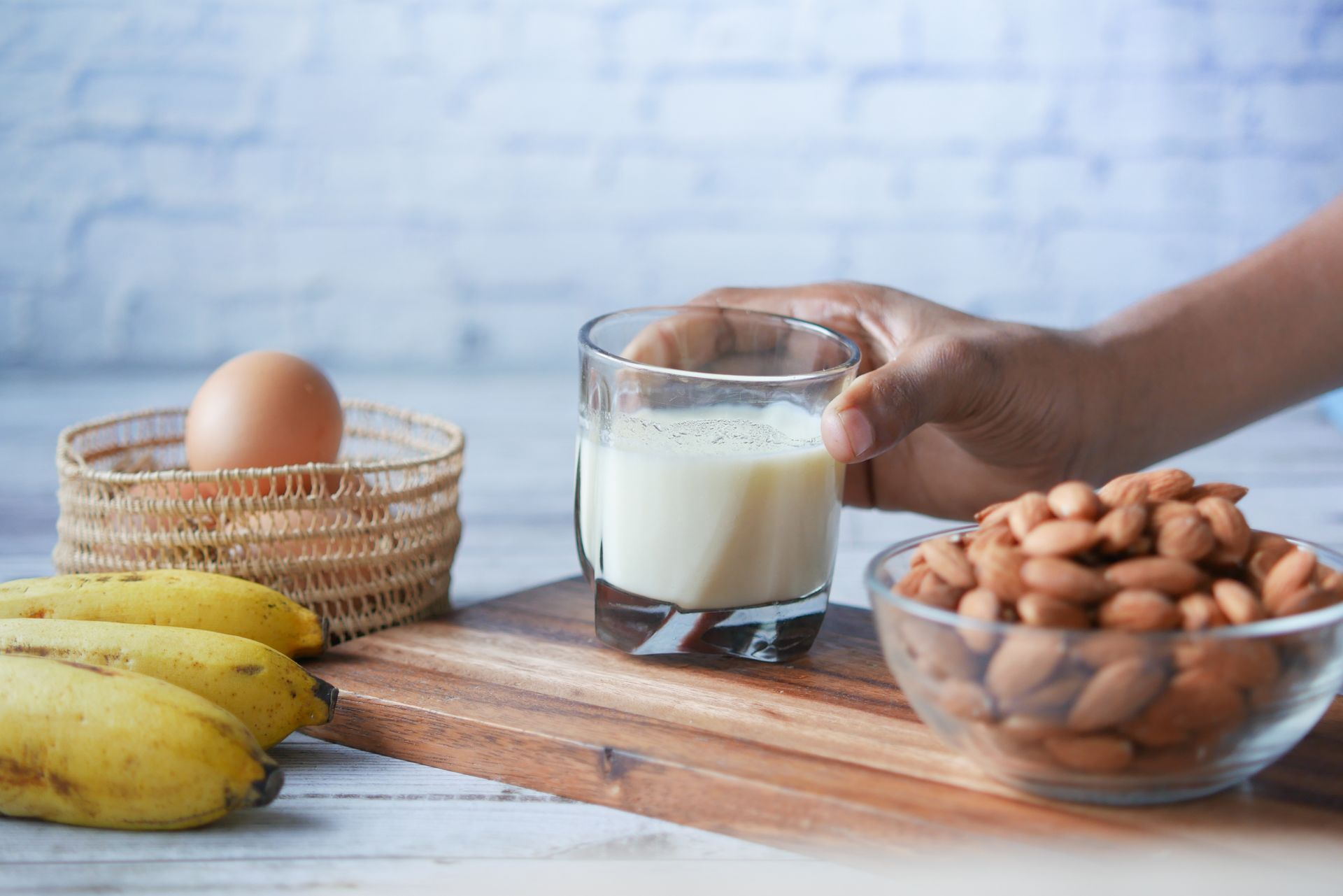
What is osteopenia? The silent bone-thinning that affects millions
Osteopenia is a reduction in bone density that sits between healthy bone and full osteoporosis, and it usually develops without any symptoms. Researchers warn that millions of people have weakened bones long before a first fracture reveals the problem, and explain why early detection and simple lifestyle steps matter.
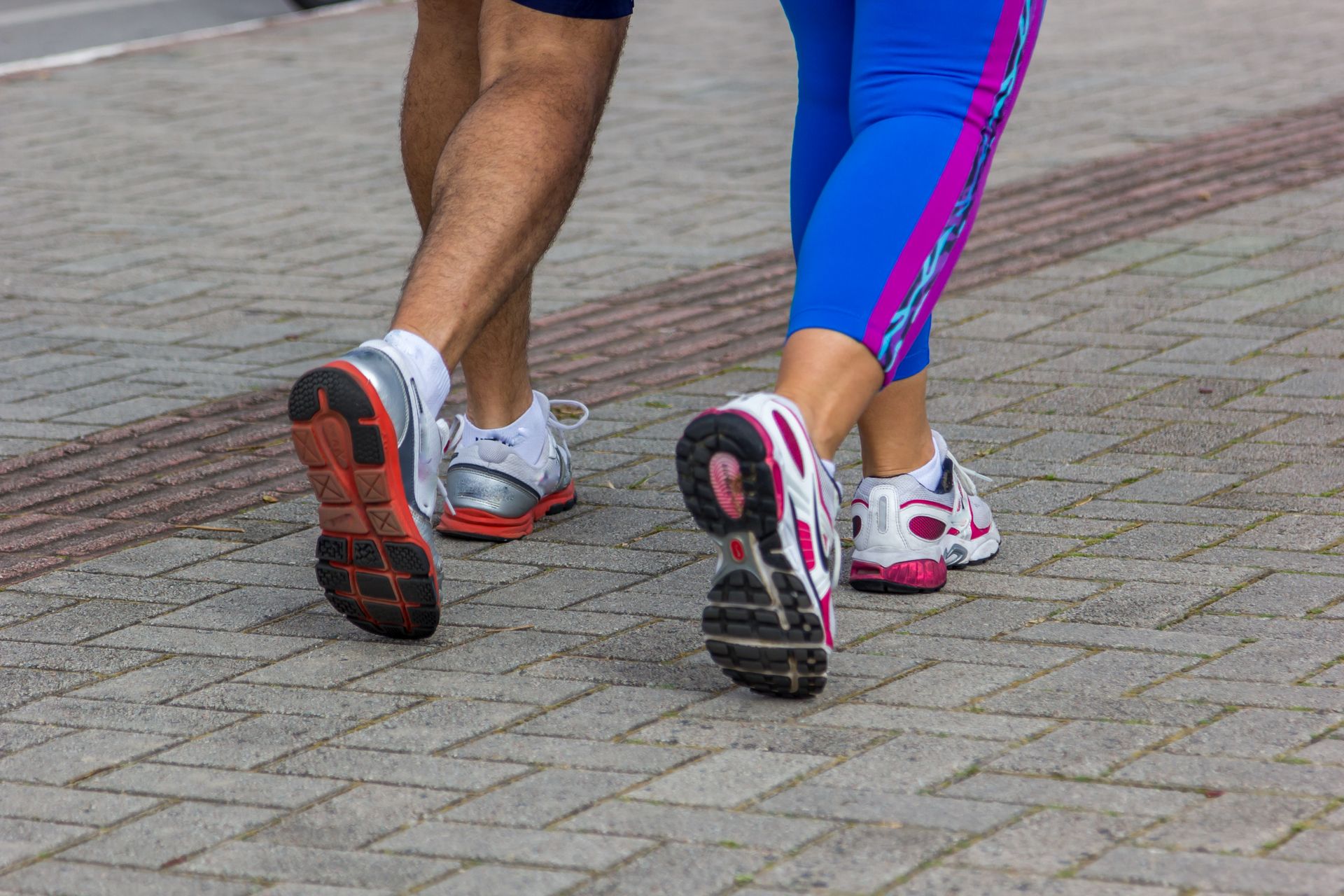
Obesity is rising fastest among young adults: what the new data shows
New data show obesity rates are climbing fastest among young adults, a shift that worries doctors because the condition is taking hold earlier in life. Researchers say earlier onset means more years of exposure to related health risks such as type 2 diabetes and heart disease.

US health spending hit $6 trillion in 2025: how GLP-1 drugs drove the surge
US health care spending rose 7.3% in 2025 to reach roughly $6 trillion, one of the steepest annual jumps in years, according to a new analysis. The report ties much of the acceleration to surging use of GLP-1 weight-loss and diabetes drugs alongside higher demand for care across the system.