What is osteopenia? The silent bone-thinning that affects millions
Osteopenia is one of the most common conditions that most people have never heard of. It describes bone that has lost some of its density but has not yet reached the threshold doctors call osteoporosis, and according to research summarised by Science Daily it is silently weakening the skeletons of millions of people who feel perfectly well.
Bone is living tissue, constantly broken down and rebuilt throughout life. In youth the rebuilding outpaces the breakdown, and bone mass peaks in early adulthood. After that the balance gradually tips the other way, and the slow net loss of mineral is what eventually thins the skeleton enough to be classed as osteopenia.
The condition is defined by a bone-density scan, usually a DEXA test, which compares a person's bone mineral density to that of a healthy young adult. A score in a specific intermediate range is labelled osteopenia; a larger deficit becomes osteoporosis. The distinction matters because it signals how close someone is to the point where fractures become likely.
What makes osteopenia easy to miss is that it produces no symptoms. There is no pain, no visible change and no warning sign. For many people the first indication that their bones have weakened is a fracture from a minor fall or even a routine movement, by which point the loss is already substantial.
Several factors push bone density down. Age and the hormonal changes of menopause are major drivers, which is why post-menopausal women are at particular risk. Genetics, low body weight, smoking, heavy alcohol use, certain medications and a diet low in calcium and vitamin D all contribute.
The encouraging part of the research is that osteopenia is not a one-way street. Because bone responds to the loads placed on it, weight-bearing and resistance exercise can help maintain or even modestly improve density. Walking, climbing stairs, and lifting against resistance all signal the body to keep investing in the skeleton.
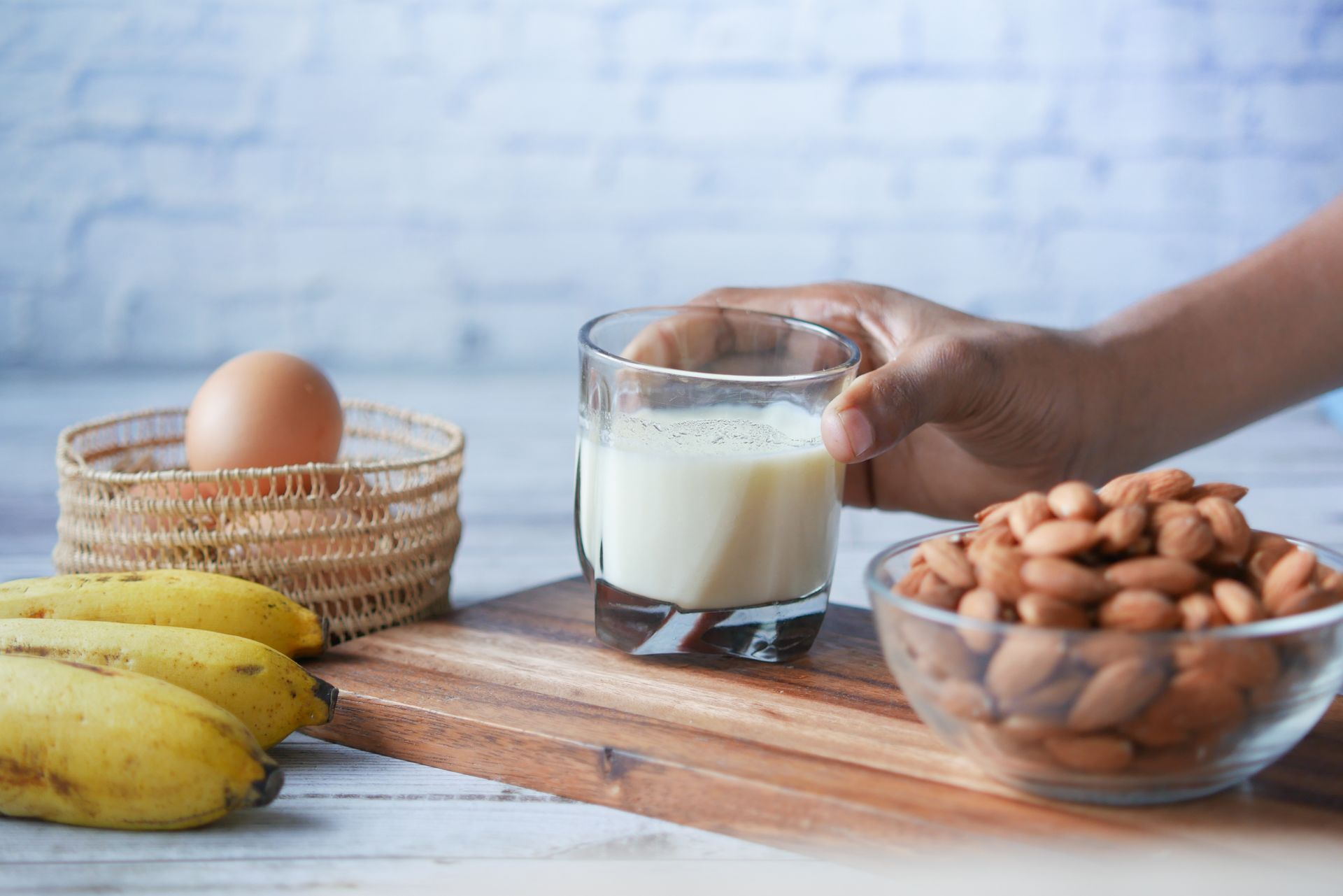
Nutrition plays a supporting role. Adequate calcium gives the body the raw material for bone, while vitamin D allows that calcium to be absorbed and used. Researchers caution that supplements are not a cure-all and are most useful for people who are genuinely deficient rather than as a blanket solution.
For people already diagnosed, doctors weigh whether the benefit of medication outweighs the risks, a decision that depends on overall fracture risk rather than the density number alone. Many people with osteopenia are managed with lifestyle measures and monitoring rather than drugs, with treatment reserved for higher-risk cases.
The practical message from the research is about timing. Building strong bones early and protecting them through midlife is far easier than trying to rebuild a depleted skeleton later. That makes the years before any diagnosis the most valuable window for prevention.
Understanding osteopenia, the Science Daily summary suggests, reframes bone health as something to manage across a lifetime rather than a problem that only appears in old age. Because the condition is silent, the experts say, the most powerful tool is awareness, paired with the simple, sustained habits that keep the skeleton strong.
Read next

Sudden cardiac death: how AI is helping solve a long-standing medical mystery
Sudden cardiac death claims people who often appeared healthy, and its underlying causes have long frustrated doctors. Researchers are now using artificial intelligence to sift vast troves of cardiac data for hidden patterns, in an effort to predict and prevent a death that often strikes without warning.

How to protect your joints: 14 expert tips for stronger, healthier movement
Experts say small, regular doses of exercise act almost like a miracle cure for joint health, easing stiffness and protecting against long-term damage. This guide distils 14 practical tips, from strength training and low-impact movement to weight management and posture, into a simple plan anyone can follow.

Vitamin D and sunlight: why a new study challenges a common belief
A new study challenges the widely held assumption that getting enough sunlight is a reliable way to maintain healthy vitamin D levels. Researchers found that factors such as skin tone, age, latitude and season shape how much vitamin D the body actually makes, complicating the simple sun-equals-vitamin-D rule.

Obesity is rising fastest among young adults: what the new data shows
New data show obesity rates are climbing fastest among young adults, a shift that worries doctors because the condition is taking hold earlier in life. Researchers say earlier onset means more years of exposure to related health risks such as type 2 diabetes and heart disease.

US health spending hit $6 trillion in 2025: how GLP-1 drugs drove the surge
US health care spending rose 7.3% in 2025 to reach roughly $6 trillion, one of the steepest annual jumps in years, according to a new analysis. The report ties much of the acceleration to surging use of GLP-1 weight-loss and diabetes drugs alongside higher demand for care across the system.