As Central Africa Ebola outbreak grows, U.S. tightens travel and quarantine restrictions
As the Ebola outbreak in the Democratic Republic of the Congo (DRC) reached 738 cases as of 28 May, the U.S. administration issued a policy announcement imposing travel and quarantine restrictions. According to STAT News, U.S. health policy officials in the Trump administration decided to establish quarantine centres for 11 African countries, including the DRC and neighbouring Uganda, to prevent the entry of the Ebola virus into the United States. The policy created new risks for health volunteers in the outbreak region.
World Health Organization (WHO) Africa Regional Director Matshidiso Moeti reported 202 confirmed deaths from the DRC outbreak, with the disease's spread rate rising by 18 percent. The WHO's 285 million dollar emergency appeal had been met at 42 percent as of 28 May; the European Union contributed 65 million euros and Japan 28 million dollars. The donor conference scheduled in Geneva for September is gaining increasing importance.
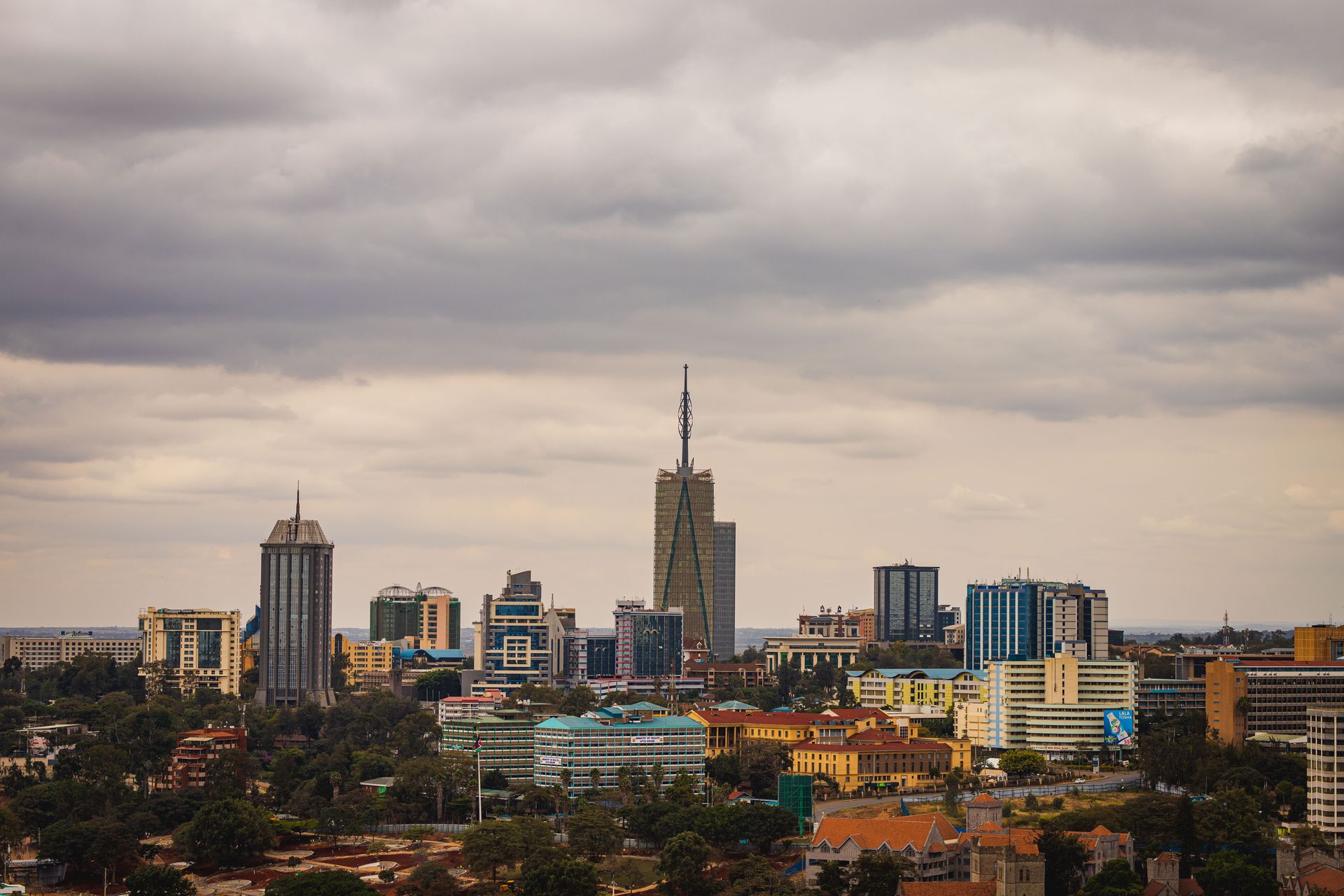
A spokesperson for the U.S. Department of Health and Human Services (HHS) said in a written statement to STAT News, 'The quarantine facility set up in Kenya will allow U.S. citizens at risk of Ebola exposure to be observed for 21 days before returning to the United States.' HHS added that the facility's cost is planned at 12 million dollars. The addition of Atlanta airport as an Ebola screening centre raises the U.S. screening infrastructure to five airports.
Among critics, retired Centers for Disease Control and Prevention (CDC) director Tom Frieden said to STAT News, 'A policy that discourages health volunteers makes the United States less safe, because containing the outbreak at its source is the basis of preventing the global spread of Ebola.' Frieden recalled the U.S. role in the 2014-2016 West Africa Ebola outbreak and said volunteer health personnel are a cornerstone of international response.
Médecins Sans Frontières (MSF) DRC team leader Pierre Briand told STAT News in a phone interview, 'We are currently following 247 cases in the DRC. We can sustain our work thanks to the experts sent by the United States and other Western countries. Placing these experts in 21-day quarantine would significantly extend response times.' MSF's DRC team has had difficulty sustaining work in the Bunia-Goma corridor due to the presence of the M23 armed group.
Africa CDC Executive Director Jean Kaseya told STAT News he was surprised by the U.S. policy. 'As Africa CDC, we have been collaborating with Western countries for years. The quarantine policy may have a technical justification, but increasing the risk of African countries closing their borders or the withdrawal of volunteers may create other regional problems,' he said. Kaseya added that the organisation has prepared an additional 12 million dollar vaccine and diagnostic support package.
International Health Regulations (IHR) committee director Mike Ryan said in a WHO comment, 'Countries implementing quarantine policies during an Ebola outbreak should adopt science-based protocols so as not to discourage volunteers from the outbreak area.' Ryan said the 21-day quarantine duration was based on Ebola's 2-21 day incubation window but covers low-risk cases.
U.S. health policy officials emphasised that the measure was necessary 'to prevent uncontrolled viral risks from entering the United States.' U.S. Health Secretary Robert F. Kennedy Jr.'s deputy, Hugh Auchincloss, said in a statement to STAT News, 'The current measures will be enforced with science-based oversight. We do not want to discourage health volunteers from responding.' Auchincloss said the 21-day quarantine could in some cases be reduced to a 14-day observation.
U.S. Senator Bill Cassidy (R-LA) said in a written comment to STAT News, 'The Trump administration's measures are basic precautions to prevent Ebola from entering the United States. I will however be closely monitoring whether the implementation discourages volunteer health personnel.' Senator Cassidy added that the Senate Health Committee will discuss an additional budget support proposal for Ebola.
This article is a public health news report and should not be read as medical advice on Ebola, travel health or personal medical decision making. Please consult a licensed medical professional for your health decisions.