Can exercise really improve your sex life? Here's what experts say
Ask a sexual health expert about the benefits of regular exercise, and one line often gets tacked onto the list without much explanation: a better sex life. But is that connection actually grounded in science, or is it just an extension of the old cliché that being fit makes you feel good?
According to experts, the answer is more layered — and more interesting — than either extreme suggests. Exercise's effect on sexual function isn't just about how the body looks; it stems from several mechanisms operating simultaneously on the hormonal, circulatory, and psychological level.
The first is circulatory. Regular cardiovascular exercise improves heart and blood vessel health, increasing blood flow to every part of the body, including the genitals. Since much of the arousal response depends on blood flow, a stronger circulatory system directly supports the physical response.
The second mechanism is hormonal. Hormones released during exercise, including endorphins and testosterone, can boost sexual desire in both men and women. Researchers note that moderate-to-vigorous training in particular appears to trigger this hormonal response more noticeably.
The third, and perhaps least discussed, effect is mental. Exercise reduces stress, improves sleep quality, and boosts confidence in body image — all factors with a direct bearing on sexual desire and satisfaction. Chronic stress is widely recognized as one of the most powerful dampeners of sexual desire.
So which type of exercise works best? Experts say there's no single miracle workout, but a combination of regular cardiovascular activity and strength training delivers the most consistent benefit. A few sessions a week of moderate-intensity walking, swimming, or cycling captures most of the core circulatory gains.
Timing may also play a role. Some research suggests the arousal response is temporarily heightened in the hours right after exercise, hinting that the effect isn't only long-term but can also be short-term. Experts caution, though, that this effect varies significantly from person to person.
Intensity is where balance matters most. Overly punishing training schedules that leave no time for recovery can sometimes have the opposite effect, dampening desire through fatigue. Experts note that a sustainable, enjoyable routine tends to outperform a program built around overexertion.
Ultimately, exercise's effect on sexual health can't be reduced to a single factor; circulation, hormones, and mental state all work together. But the consensus among experts is clear: regular, moderate, sustainable movement can deliver real, measurable benefits independent of how the body looks.
That helps explain why it makes sense to view exercise not merely as an aesthetic goal, but as part of a holistic approach to overall wellbeing — sexual health included.
Read next
Hysteroscopy pain: why routine womb exams leave some women in agony
More than 70,000 hysteroscopies are performed every year in England, and the NHS classifies the procedure as 'low complexity.' Yet a growing number of patients describe inadequate pain relief and being dismissed by medical staff during the procedure. Here's what experts say is behind the gap, and what's being done to close it.

Epic Systems, the hospital software giant, faces a federal antitrust inquiry
Epic Systems, the dominant player in the US electronic health record market, is under scrutiny from federal and state investigators. Sources who spoke with STAT say FTC investigators are examining whether the company's use of nondisclosure agreements and broader business practices restrict competition in hospital software.

Why some US states are cracking down on private equity ownership of doctors' practices
Private equity deals to acquire physician practice management firms in the US have declined sharply after a wave of new state laws aimed at curbing the trend. New figures show such deals dropping by roughly 50%, a concrete outcome of growing concern over the effect these takeovers have on patient care.
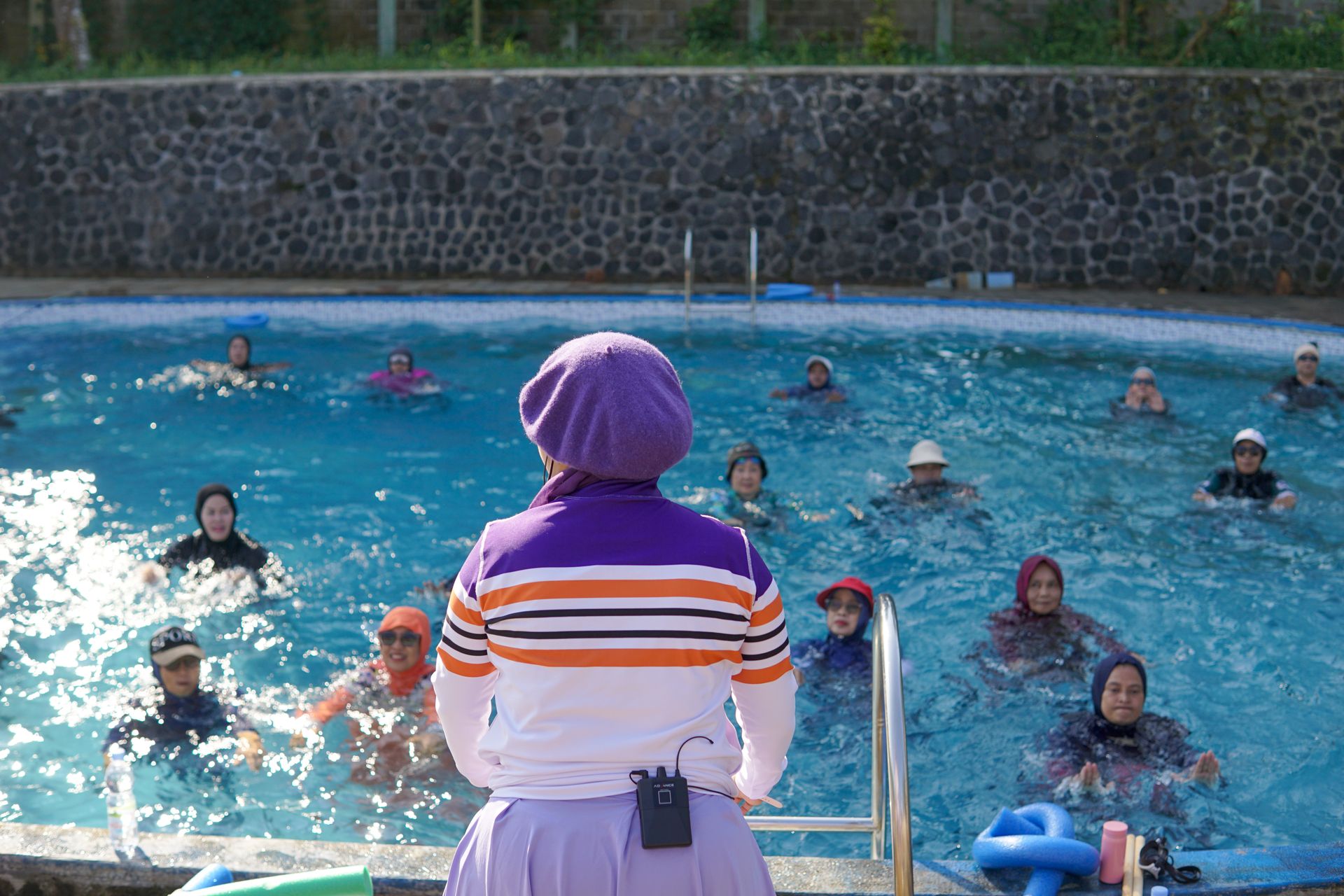
The common mistake that makes aging joints hurt more: avoiding movement
As we age, the cartilage and fluid that protect our joints gradually wear down, but experts say the most common response — avoiding movement — can actually make things worse. Research shows how exercise nourishes cartilage, strengthens the muscles that protect joints, and can reduce osteoarthritis pain.

Why walking gets so much harder as we age, according to new research
New research shows the aging body trades walking efficiency for stability, and understanding why could help older adults stay mobile longer. Scientists found older adults stiffen the ankle more with each step, a change that guards against falls but forces muscles to work harder while producing less forward motion. The result is shorter strides, slower walking, and faster fatigue — but targeted exercise may help reverse the trend.