Hysteroscopy pain: why routine womb exams leave some women in agony
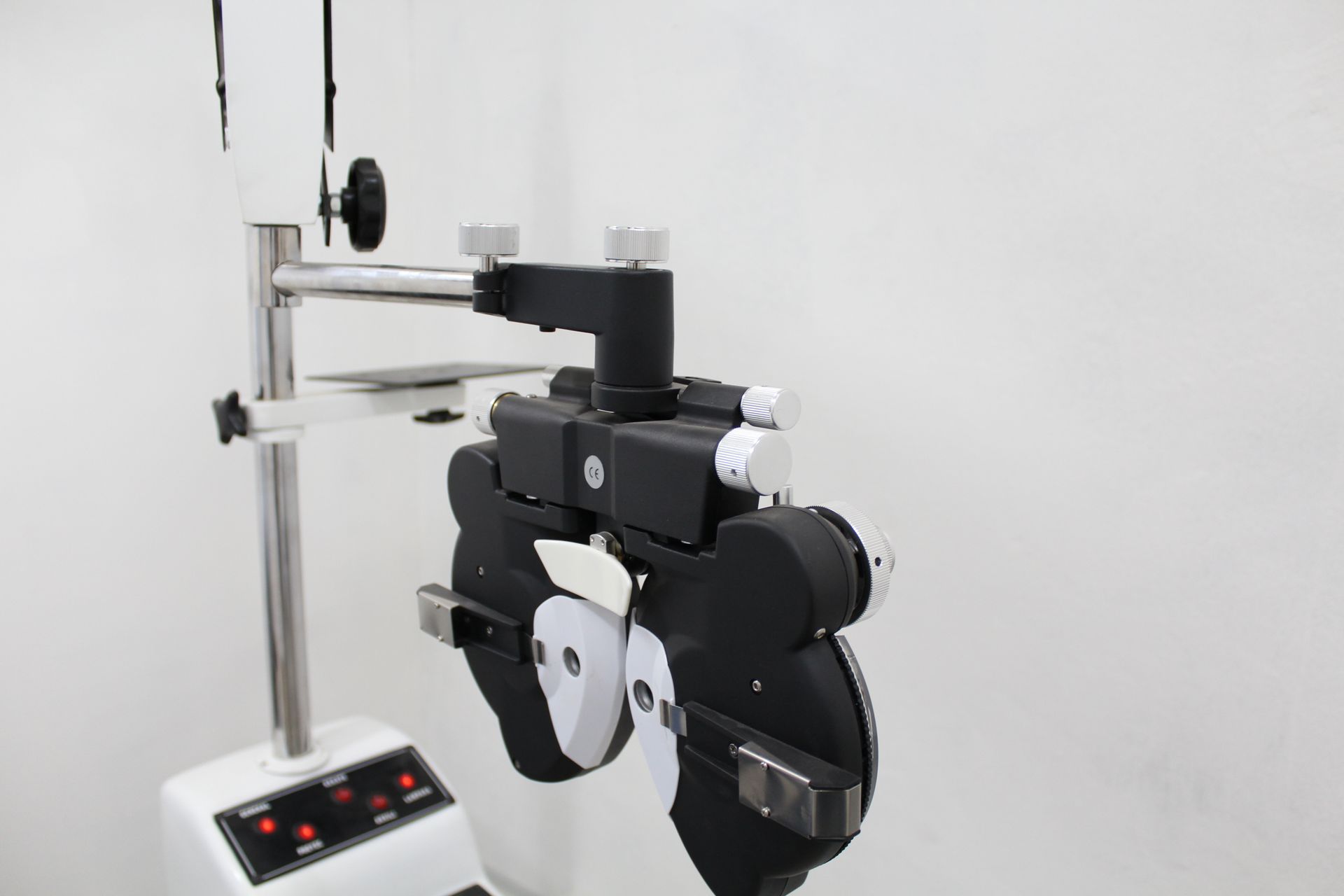
Hysteroscopy is classified in medical literature as a 'low complexity' procedure. Yet a growing number of women who have undergone it describe their experience in starkly different terms: unbearable pain, dismissed complaints, and a feeling of losing control during the procedure.
The procedure involves passing a thin, camera-equipped instrument through the cervix into the womb to diagnose problems or remove growths such as fibroids. A saline solution is used to widen the uterus — a step many patients report as the most painful part.
More than 70,000 hysteroscopies are carried out every year in England. The NHS classifies the procedure as routine and 'low complexity,' a designation that often results in only mild pain relief, such as paracetamol or ibuprofen, being recommended rather than general anesthesia.
But a growing body of patient accounts suggests that classification doesn't always match the lived experience. Some patients say they weren't told they had the right to pause the procedure or request additional pain relief when they spoke up about discomfort; others say their complaints were not taken seriously by medical staff.
Experts say the gap has several sources. Pain perception varies significantly from person to person, and the uterus and cervix are richly supplied with nerve endings, meaning a standardized 'low complexity' protocol may not suit everyone. Research into pain management in women's health has also historically received less funding and attention than in other areas of medicine.
Healthcare workers acknowledge that resource pressure plays a role too. General anesthesia requires additional staff, equipment, and a hospital bed, making performing the procedure under local anesthesia in a clinic setting more 'efficient' for both patient throughput and the system — an efficiency that, for some patients, comes at the cost of significant pain.
Patient advocacy groups argue the fix isn't complicated: clear information about pain-relief options before the procedure, an explicit understanding that patients can say 'stop' at any point, and taking pain complaints seriously. These three steps could transform the experience with almost no added cost.
Some NHS trusts have responded to this feedback by reviewing their protocols, strengthening informed consent processes, and offering patients more choice in pain management. Critics, however, say the change has been applied inconsistently across the country.
The issue is part of a broader conversation in women's health: research has repeatedly documented that pain reported by women tends to be taken less seriously than pain reported by men. The hysteroscopy case stands out as a concrete, measurable example of that pattern.
Experts stress that the fix isn't complex technology, but a shift in the culture of listening — the idea that a patient saying 'this hurts' should be enough, on its own, to pause the procedure or change the approach.
Read next
Epic Systems, the hospital software giant, faces a federal antitrust inquiry
Epic Systems, the dominant player in the US electronic health record market, is under scrutiny from federal and state investigators. Sources who spoke with STAT say FTC investigators are examining whether the company's use of nondisclosure agreements and broader business practices restrict competition in hospital software.

Why some US states are cracking down on private equity ownership of doctors' practices
Private equity deals to acquire physician practice management firms in the US have declined sharply after a wave of new state laws aimed at curbing the trend. New figures show such deals dropping by roughly 50%, a concrete outcome of growing concern over the effect these takeovers have on patient care.

Can exercise really improve your sex life? Here's what experts say
Regular movement does more than change how the body looks — experts say it boosts arousal-promoting hormones, improves circulation, and puts the mind in the right frame for intimacy. Here's what the research actually shows about which type, timing, and intensity of exercise make the biggest difference.

The common mistake that makes aging joints hurt more: avoiding movement
As we age, the cartilage and fluid that protect our joints gradually wear down, but experts say the most common response — avoiding movement — can actually make things worse. Research shows how exercise nourishes cartilage, strengthens the muscles that protect joints, and can reduce osteoarthritis pain.

Why walking gets so much harder as we age, according to new research
New research shows the aging body trades walking efficiency for stability, and understanding why could help older adults stay mobile longer. Scientists found older adults stiffen the ankle more with each step, a change that guards against falls but forces muscles to work harder while producing less forward motion. The result is shorter strides, slower walking, and faster fatigue — but targeted exercise may help reverse the trend.