The common mistake that makes aging joints hurt more: avoiding movement
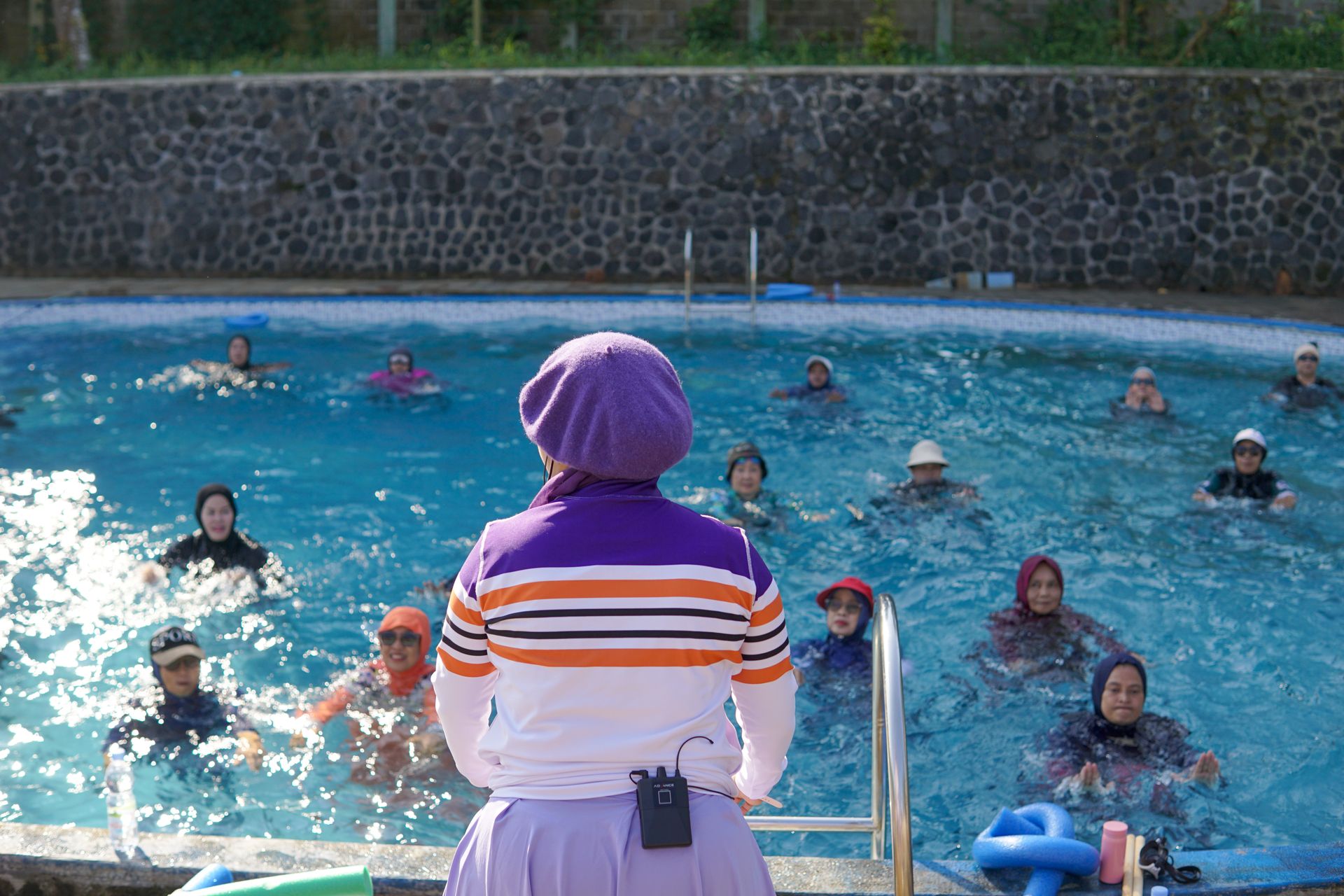
Feel stiffness in a knee or a hip, and most people's first instinct is the same: use that joint as little as possible. But according to researchers, that instinct can backfire when it comes to aging joints.
As part of the aging process, the cartilage and joint fluid that protect our joints gradually wear down. That wear increases friction during movement, which can lead to stiffness and pain. That's where the problem begins: many people respond to that discomfort by restricting movement almost entirely.
But research shows that inactivity, rather than protecting cartilage, actually weakens it further. Cartilage tissue has no blood supply of its own; instead, it draws oxygen and nutrients from joint fluid that gets pushed into the tissue through movement. Without movement, that nourishing cycle largely stops.
In other words, the joint ends up deprived of nourishment at exactly the moment it needs it most. Over time, that can contribute to further thinning of the cartilage and accelerate the symptoms of osteoarthritis — the very outcome inactivity was meant to prevent.
Researchers stress that the right kind of exercise can reverse that cycle. Low-impact activities in particular — swimming, cycling, tai chi, yoga, and walking on varied terrain — offer the advantage of nourishing cartilage and strengthening the surrounding muscles without overloading the joint.
These kinds of exercises don't just support cartilage nourishment; they also strengthen the muscles surrounding the joint, reducing the mechanical load the joint has to bear. Strong muscles take on part of the burden the joint itself would otherwise carry, acting as a protective buffer.
The effects on balance and mobility shouldn't be overlooked either. Regular, moderate movement doesn't just reduce pain — it also preserves the balance and coordination skills that lower the risk of falls, a separate but critical benefit for older adults.
Experts also stress that these benefits don't require an intensive training program. According to the research, even a few minutes of the right kind of movement, done regularly, can make a measurable difference — making joint protection an achievable goal.
That's not to say a painful joint should be pushed too hard; overexertion can be harmful too. Experts note that finding the balance between inactivity and overexertion is usually safest with the guidance of a physical therapist.
Ultimately, this research overturns a common assumption: resting a painful joint isn't always the best solution. The right dose and type of movement can offer far more effective protection for aging joints than rest alone.
Read next
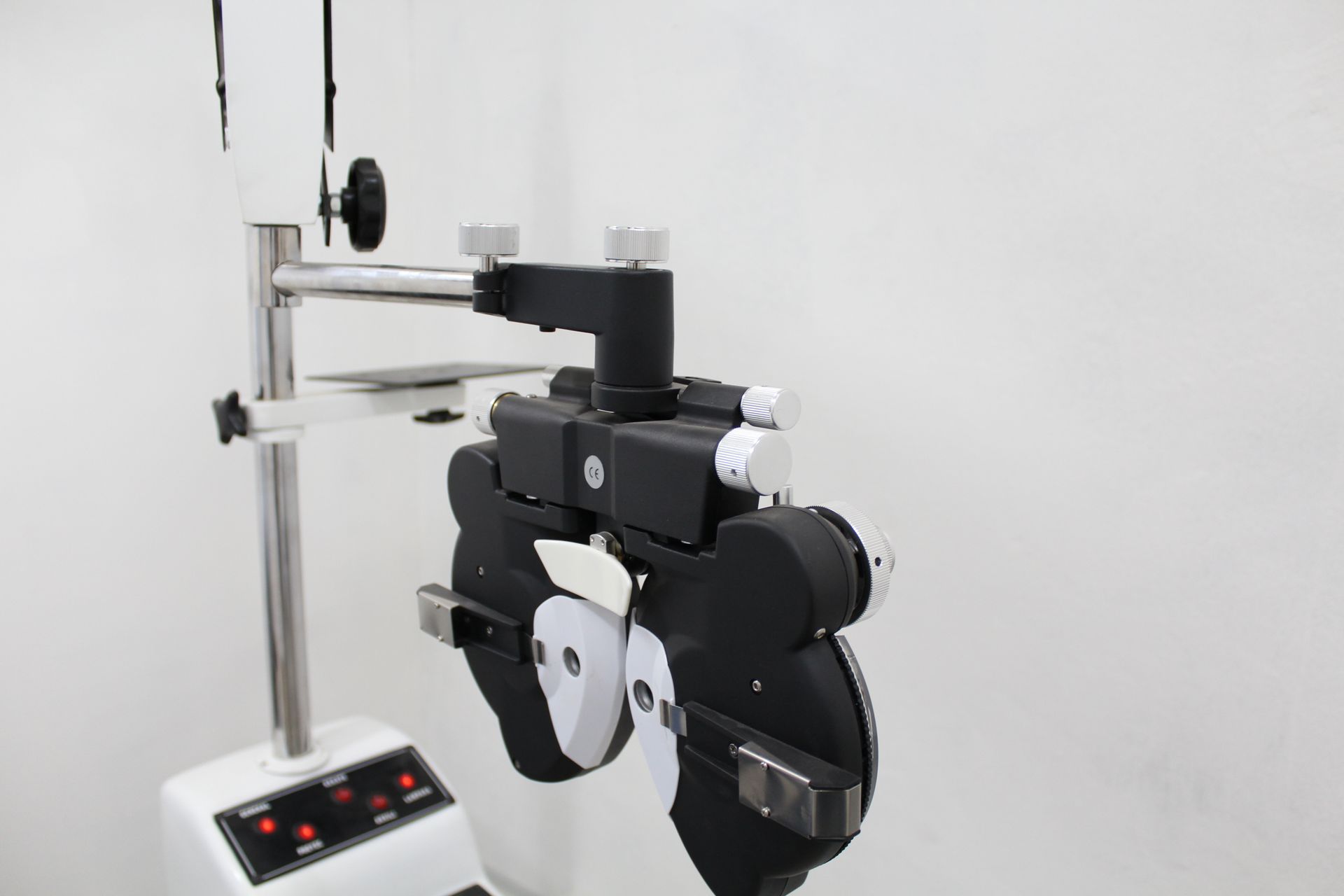
Hysteroscopy pain: why routine womb exams leave some women in agony
More than 70,000 hysteroscopies are performed every year in England, and the NHS classifies the procedure as 'low complexity.' Yet a growing number of patients describe inadequate pain relief and being dismissed by medical staff during the procedure. Here's what experts say is behind the gap, and what's being done to close it.

Epic Systems, the hospital software giant, faces a federal antitrust inquiry
Epic Systems, the dominant player in the US electronic health record market, is under scrutiny from federal and state investigators. Sources who spoke with STAT say FTC investigators are examining whether the company's use of nondisclosure agreements and broader business practices restrict competition in hospital software.

Why some US states are cracking down on private equity ownership of doctors' practices
Private equity deals to acquire physician practice management firms in the US have declined sharply after a wave of new state laws aimed at curbing the trend. New figures show such deals dropping by roughly 50%, a concrete outcome of growing concern over the effect these takeovers have on patient care.
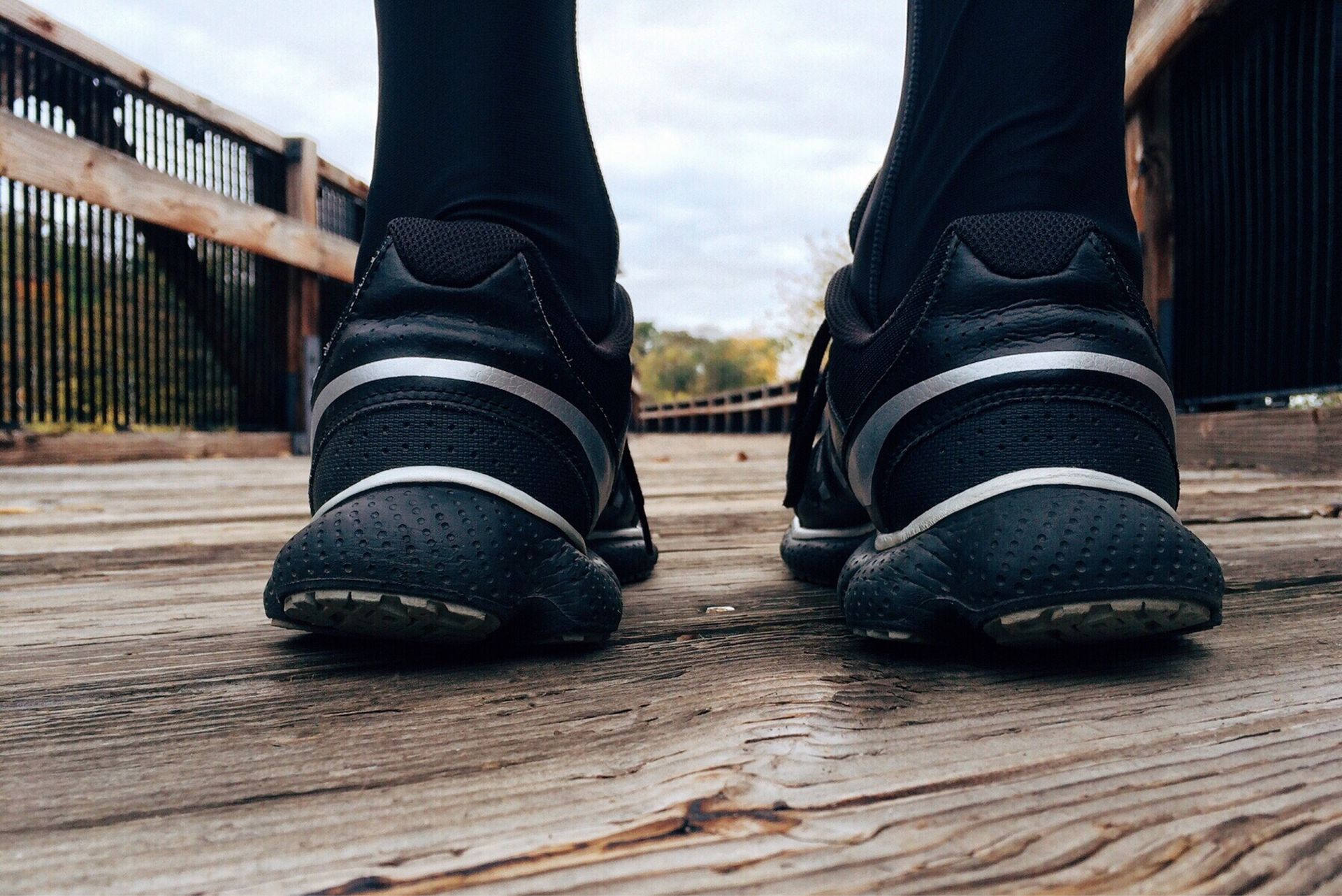
Can exercise really improve your sex life? Here's what experts say
Regular movement does more than change how the body looks — experts say it boosts arousal-promoting hormones, improves circulation, and puts the mind in the right frame for intimacy. Here's what the research actually shows about which type, timing, and intensity of exercise make the biggest difference.
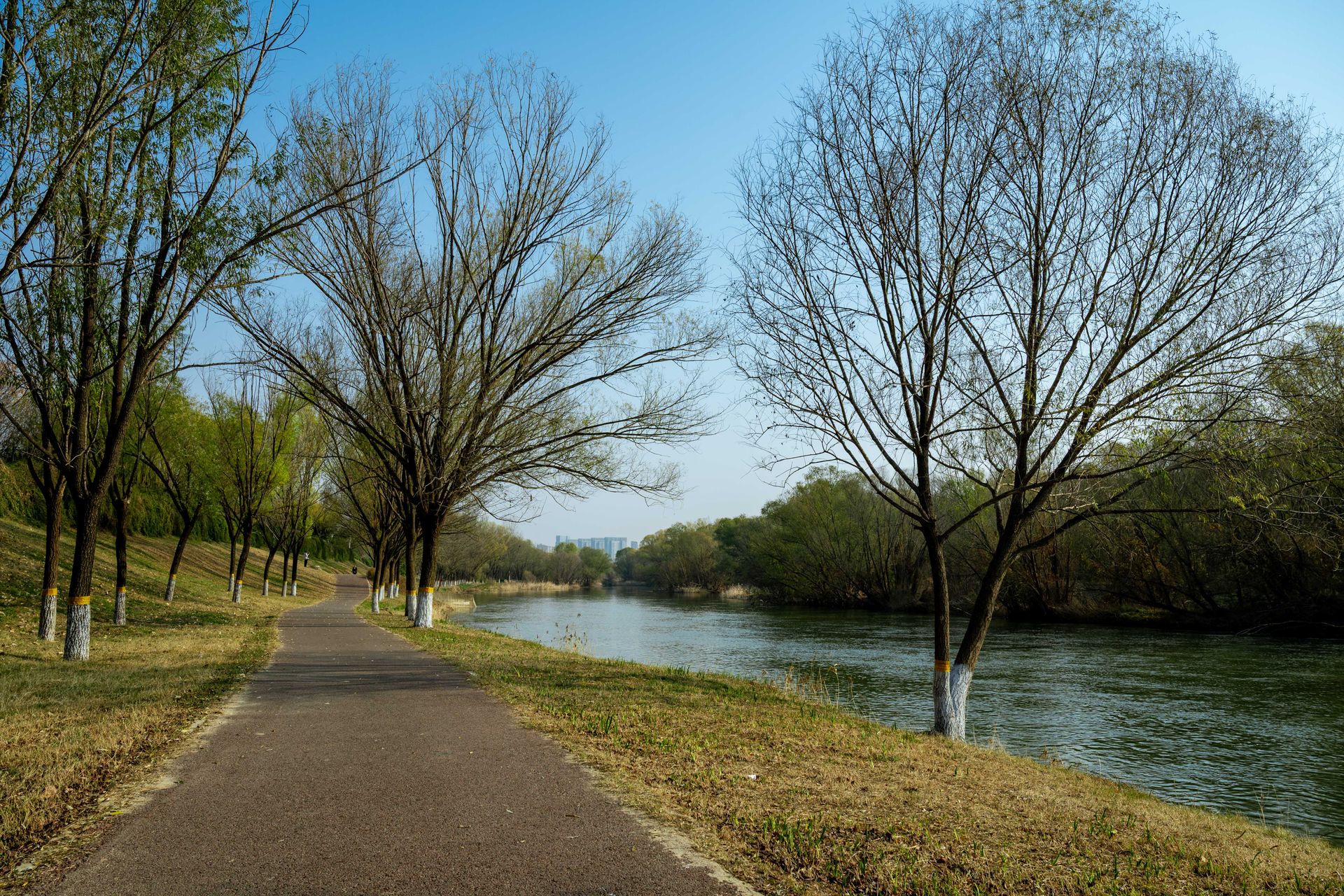
Why walking gets so much harder as we age, according to new research
New research shows the aging body trades walking efficiency for stability, and understanding why could help older adults stay mobile longer. Scientists found older adults stiffen the ankle more with each step, a change that guards against falls but forces muscles to work harder while producing less forward motion. The result is shorter strides, slower walking, and faster fatigue — but targeted exercise may help reverse the trend.