DNA on a chip: how Harvard's silicon device writes genetic code with electricity
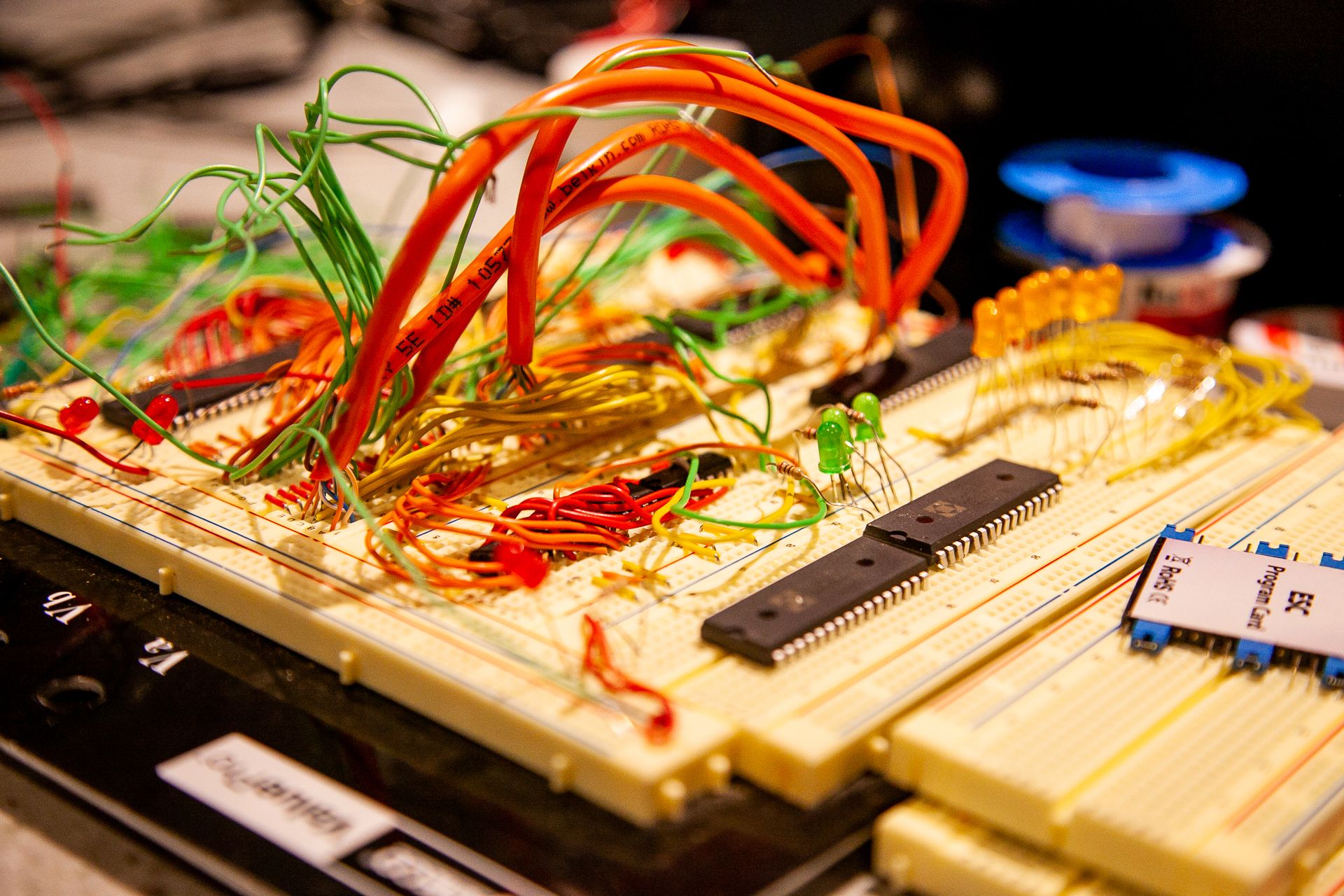
Scientists at Harvard have built a silicon chip capable of writing dozens of distinct DNA sequences at the same time, using electrical signals and water-based enzymes instead of the toxic chemical reagents that conventional DNA synthesis has relied on for decades. The team describes the device as a cleaner, more scalable route to manufacturing custom genetic material.
DNA synthesis, the process of building a specific sequence of genetic code from scratch, underpins a huge range of modern biotechnology, from designing new vaccines and gene therapies to engineering microbes that produce useful chemicals. Traditional chemical synthesis methods, however, generate hazardous waste and become difficult to scale beyond a certain size.
The new chip instead relies on enzymes, which are the natural molecular machines cells already use to build and repair DNA. By applying precise electrical charges across an array of tiny electrodes, researchers can control exactly where on the chip these enzymes deposit each of DNA's four chemical building blocks, letter by letter, to spell out a desired sequence.
Because each electrode on the chip can be individually controlled, the device can, in principle, write many different DNA sequences in parallel rather than one at a time. That parallel structure is what allows dozens of sequences to be produced simultaneously on a single chip, dramatically speeding up a process that has traditionally been slow and expensive.
Using water-based enzymatic chemistry rather than the organic solvents and toxic reagents common in chemical DNA synthesis also means the process produces far less hazardous waste, addressing an environmental drawback that has drawn criticism as demand for synthetic DNA has grown across research and industry.
The researchers say the technology's precision and scalability could eventually support genuinely portable DNA-writing devices, small enough to be used outside a specialized laboratory. That could open up custom DNA synthesis to settings such as field research stations or smaller academic labs that currently rely on shipping orders to specialized synthesis companies.
Beyond biotechnology applications, scientists have long been interested in DNA as a potential medium for digital data storage, since a single gram of DNA can theoretically encode an enormous amount of information far more densely than conventional hard drives, and can remain stable for centuries under the right storage conditions.
A chip-based, parallel writing process like the one Harvard researchers describe would be a meaningful step toward making DNA data storage practical at scale, since one of the biggest bottlenecks in that field has been the cost and speed of writing large volumes of custom DNA sequences in the first place.
The researchers caution that further engineering work is needed before the chip could support the kind of massive-scale DNA data storage some researchers envision, since new chemistry advances will likely be required to push throughput and accuracy even higher than the current prototype achieves.
Still, the team says the current results demonstrate that enzymatic, electricity-driven DNA writing on a chip is a viable alternative to older chemical methods, and expects the approach to be refined further as the underlying enzyme chemistry and chip design are optimized in future work.
Read next
AstraZeneca and Ionis report major trial failure for heart disease drug Wainua
AstraZeneca and Ionis Pharmaceuticals have reported a significant trial failure for their heart disease drug Wainua, dealing a setback in an increasingly competitive market for treatments targeting a specific inherited form of heart disease. The result raises questions about the drug's path in a crowded field of rivals.

What are 'forever chemicals'? Inside New York's lawsuit against 3M and DuPont
New York has sued 3M, DuPont and other manufacturers, accusing them of hiding for decades the health and environmental risks of PFAS, chemicals nicknamed 'forever chemicals' because they barely break down in the environment or the human body. Here is what the chemicals are and why regulators are targeting them.

What is cyclosporiasis, the parasitic illness causing 'explosive' diarrhea in the US?
Cyclosporiasis, a parasitic illness that causes severe, watery diarrhea, has surged across parts of the United States, with an outbreak of nearly 1,000 cases reported in Michigan alone. Health officials say the illness is rarely life-threatening but can cause weeks of debilitating symptoms if untreated.
Identical twins Nancy and Margo: the womb surgery that saved them from a rare condition
Identical twins Nancy and Margo have been born healthy after doctors treated them in the womb for a rare, life-threatening pregnancy condition as part of a world-first medical trial. The procedure targets a dangerous imbalance in blood flow that can develop between twins who share a placenta.

UK vape crackdown: how flavour names and packaging rules would change
The UK government is consulting on rules that would strip vapes of enticing flavour names and bright packaging, aiming to stop products being marketed to children. About one in five UK teenagers has tried vaping, officials say, prompting calls to bring e-cigarette rules closer to tobacco law.