Identical twins Nancy and Margo: the womb surgery that saved them from a rare condition
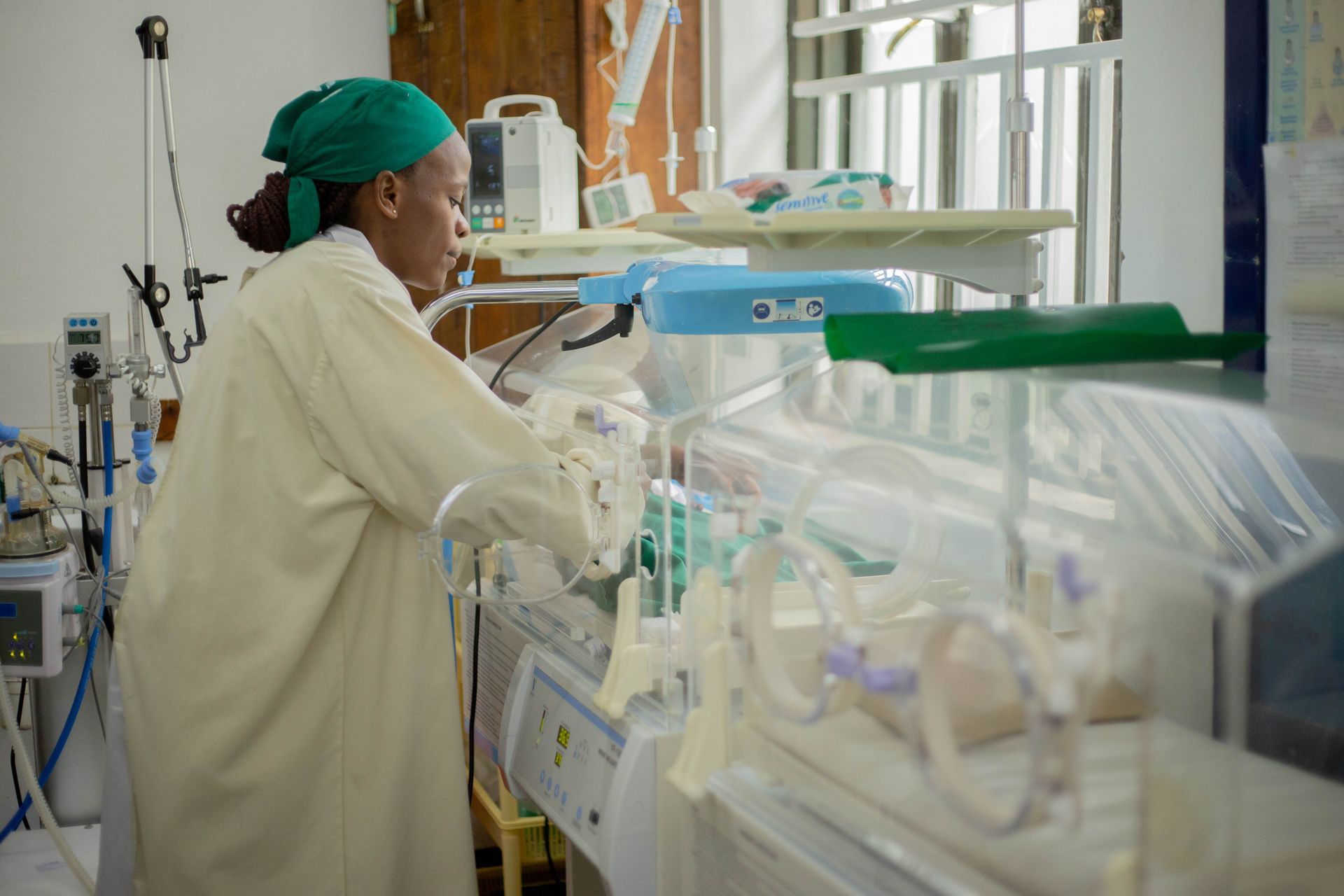
Identical twins Nancy and Margo are healthy today because of a procedure carried out while they were still in the womb, as part of what doctors are calling a world-first medical trial. The girls were diagnosed with a rare and dangerous complication that can affect identical twins who share a single placenta during pregnancy.
The condition, twin anaemia-polycythaemia sequence, occurs when tiny blood vessel connections inside a shared placenta allow blood to flow unevenly between twins. One twin can become severely anaemic, receiving too little blood, while the other develops polycythaemia, an excess of red blood cells that thickens the blood and strains the heart.
Left untreated, the condition can cause serious complications for one or both babies, including heart failure, brain injury or death before or shortly after birth. Because the imbalance develops gradually and can be subtle on routine scans, it is sometimes missed until a pregnancy is already in serious difficulty.
Doctors treating Nancy and Margo's mother detected the problem early through specialist monitoring and opted for an in-utero intervention rather than waiting to manage the condition after birth. The procedure aimed to address the abnormal blood vessel connections directly, while both twins were still developing inside the womb.
The treatment is part of a wider trial exploring whether earlier, in-utero intervention can produce better outcomes than the traditional approach, which typically involves closely monitoring the pregnancy and, if necessary, treating the babies after they are born. Trial researchers say early results are encouraging, though the approach remains experimental.
Specialists say procedures like this reflect a broader shift in fetal medicine, where conditions that were once only manageable after birth are increasingly being treated while the baby is still developing. Advances in ultrasound imaging and minimally invasive surgical techniques have made it possible to intervene with much greater precision than in the past.
Twin pregnancies that share a placenta, known as monochorionic twins, carry higher risks generally than pregnancies where each twin has its own placenta. Doctors typically recommend more frequent scans for these pregnancies specifically to catch complications such as twin anaemia-polycythaemia sequence or the related twin-to-twin transfusion syndrome as early as possible.
The medical team involved says the case will contribute valuable data to the ongoing trial, which is tracking outcomes for a small number of pregnancies treated with the new in-utero approach. Larger studies will likely be needed before the procedure could become standard practice for pregnancies affected by the condition.
For Nancy and Margo's family, the outcome is straightforward: two healthy babies who might otherwise have faced a much riskier start to life. Their case has been held up by the hospital involved as an example of how specialist fetal medicine can change outcomes for pregnancies once considered extremely high-risk.
Researchers caution that not every case of twin anaemia-polycythaemia sequence will be suitable for the same intervention, and treatment decisions are made individually based on how far a pregnancy has progressed and how severe the imbalance has become. Even so, doctors say the trial marks a meaningful step in expanding the options available to families facing a diagnosis that, until recently, offered few ways to intervene before birth.
Read next
AstraZeneca and Ionis report major trial failure for heart disease drug Wainua
AstraZeneca and Ionis Pharmaceuticals have reported a significant trial failure for their heart disease drug Wainua, dealing a setback in an increasingly competitive market for treatments targeting a specific inherited form of heart disease. The result raises questions about the drug's path in a crowded field of rivals.
DNA on a chip: how Harvard's silicon device writes genetic code with electricity
Harvard scientists have built a silicon chip that can write dozens of DNA sequences at once using electricity and water-based enzymes, offering a cleaner alternative to conventional DNA manufacturing. The breakthrough could eventually enable portable DNA-writing devices and even large-scale DNA-based data storage.

What are 'forever chemicals'? Inside New York's lawsuit against 3M and DuPont
New York has sued 3M, DuPont and other manufacturers, accusing them of hiding for decades the health and environmental risks of PFAS, chemicals nicknamed 'forever chemicals' because they barely break down in the environment or the human body. Here is what the chemicals are and why regulators are targeting them.

What is cyclosporiasis, the parasitic illness causing 'explosive' diarrhea in the US?
Cyclosporiasis, a parasitic illness that causes severe, watery diarrhea, has surged across parts of the United States, with an outbreak of nearly 1,000 cases reported in Michigan alone. Health officials say the illness is rarely life-threatening but can cause weeks of debilitating symptoms if untreated.

UK vape crackdown: how flavour names and packaging rules would change
The UK government is consulting on rules that would strip vapes of enticing flavour names and bright packaging, aiming to stop products being marketed to children. About one in five UK teenagers has tried vaping, officials say, prompting calls to bring e-cigarette rules closer to tobacco law.