UK vape crackdown: how flavour names and packaging rules would change
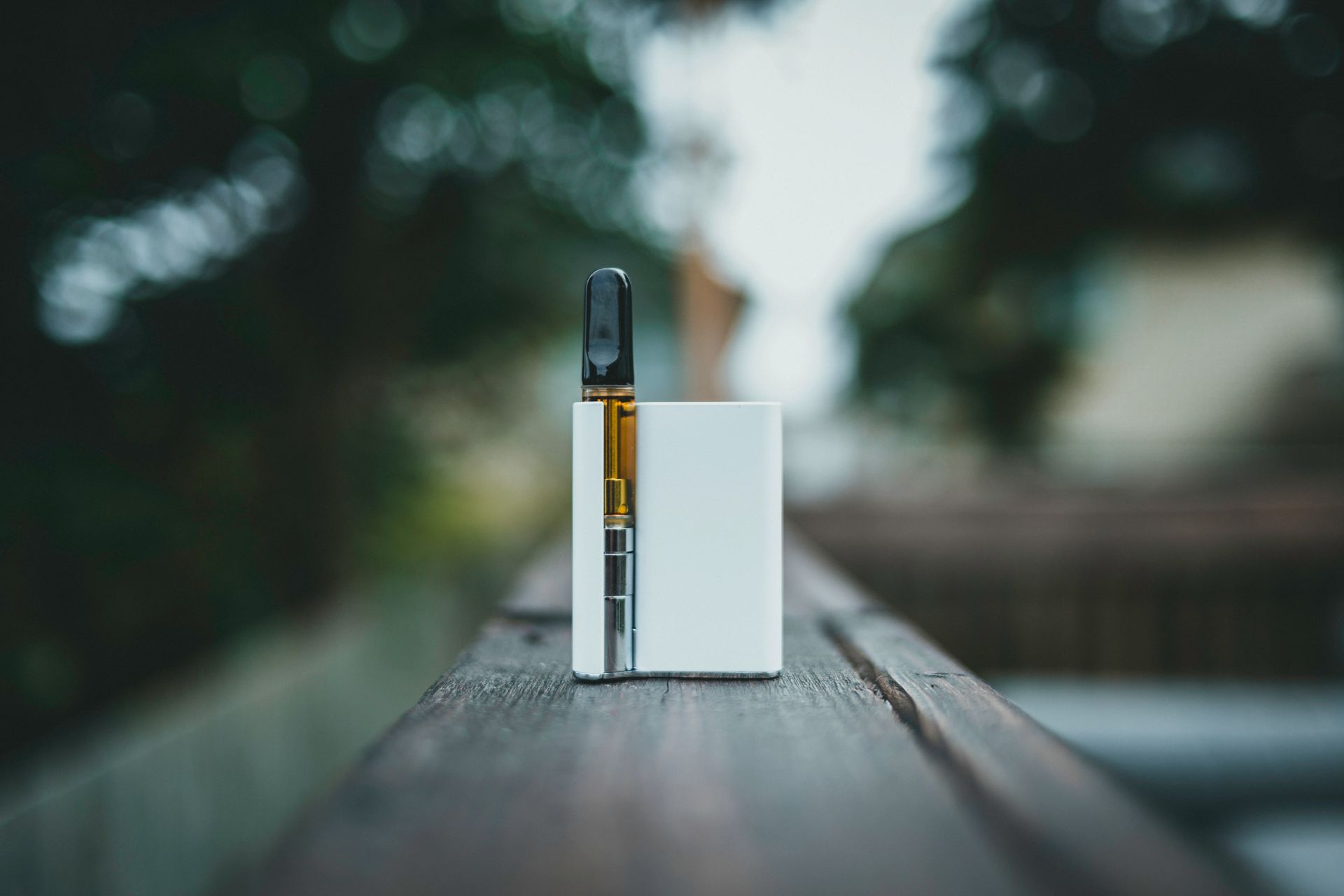
The UK's Department of Health and Social Care has opened a public consultation on proposals to strip vapes of much of the marketing gloss that officials say has made them attractive to children. Under the plans, manufacturers would no longer be able to use flavour names such as "bubblegum blast" or "cotton candy", replacing them with plain descriptive labels instead.
The consultation also considers limiting device colours to white, black or grey, and requiring that vapes be kept out of sight in shops, similar to how cigarettes are already displayed behind screens or in cabinets. Officials say the goal is to bring e-cigarette marketing closer in line with the strict rules that already apply to tobacco products.
Data cited by the department suggests that around one in five UK teenagers has tried vaping at least once, a figure that has alarmed public health officials and paediatricians. Campaigners have long argued that bright colours, sweet-sounding flavour names and pocket-sized designs make vapes look more like a novelty item than a nicotine delivery device.
Vaping was originally promoted, including by past UK governments, as a lower-risk alternative to help adult smokers quit cigarettes. Officials say that goal remains intact under the new proposals, which are aimed specifically at closing off routes that make the products appealing to people who have never smoked, particularly minors.
The proposals would not ban flavoured vapes outright. Instead, the consultation asks whether flavour descriptions should be limited to simple, generic terms, such as "menthol" or "fruit", stripped of any language evoking sweets, cartoons or other imagery associated with childhood.
Retailers would also face new requirements on how vapes are displayed. Under one option being considered, shops would need to store the products out of customers' direct line of sight, only bringing them out on request, a practice already required for tobacco in many parts of the UK.
Health campaigners broadly welcomed the consultation, though some called for the government to move faster given how quickly vaping has spread among teenagers in recent years. Others cautioned that overly restrictive rules could push some adult smokers away from vaping and back toward traditional cigarettes, which carry substantially greater health risks.
The consultation period allows the public, manufacturers, retailers and health bodies to submit views before any rules are finalised. A previous UK-wide ban on disposable vapes, introduced on environmental grounds, is separate from this latest proposal but reflects a broader tightening of vaping regulation across the UK in recent years.
Officials have not set a firm timetable for when any new packaging and flavour-naming rules might take effect, saying the responses gathered during the consultation will shape the final proposals. Any changes would likely require new legislation before manufacturers and retailers would need to comply.
For now, the UK joins a small number of countries actively reconsidering how vapes are marketed even as they remain legally available to adult smokers. The outcome of the consultation is likely to be closely watched by health regulators in other countries wrestling with the same question of how to regulate a product aimed at smokers without inadvertently marketing it to children.
Read next

AstraZeneca and Ionis report major trial failure for heart disease drug Wainua
AstraZeneca and Ionis Pharmaceuticals have reported a significant trial failure for their heart disease drug Wainua, dealing a setback in an increasingly competitive market for treatments targeting a specific inherited form of heart disease. The result raises questions about the drug's path in a crowded field of rivals.

DNA on a chip: how Harvard's silicon device writes genetic code with electricity
Harvard scientists have built a silicon chip that can write dozens of DNA sequences at once using electricity and water-based enzymes, offering a cleaner alternative to conventional DNA manufacturing. The breakthrough could eventually enable portable DNA-writing devices and even large-scale DNA-based data storage.

What are 'forever chemicals'? Inside New York's lawsuit against 3M and DuPont
New York has sued 3M, DuPont and other manufacturers, accusing them of hiding for decades the health and environmental risks of PFAS, chemicals nicknamed 'forever chemicals' because they barely break down in the environment or the human body. Here is what the chemicals are and why regulators are targeting them.

What is cyclosporiasis, the parasitic illness causing 'explosive' diarrhea in the US?
Cyclosporiasis, a parasitic illness that causes severe, watery diarrhea, has surged across parts of the United States, with an outbreak of nearly 1,000 cases reported in Michigan alone. Health officials say the illness is rarely life-threatening but can cause weeks of debilitating symptoms if untreated.

Identical twins Nancy and Margo: the womb surgery that saved them from a rare condition
Identical twins Nancy and Margo have been born healthy after doctors treated them in the womb for a rare, life-threatening pregnancy condition as part of a world-first medical trial. The procedure targets a dangerous imbalance in blood flow that can develop between twins who share a placenta.