Focal therapy: what a 10-year NHS trial found about prostate cancer treatment
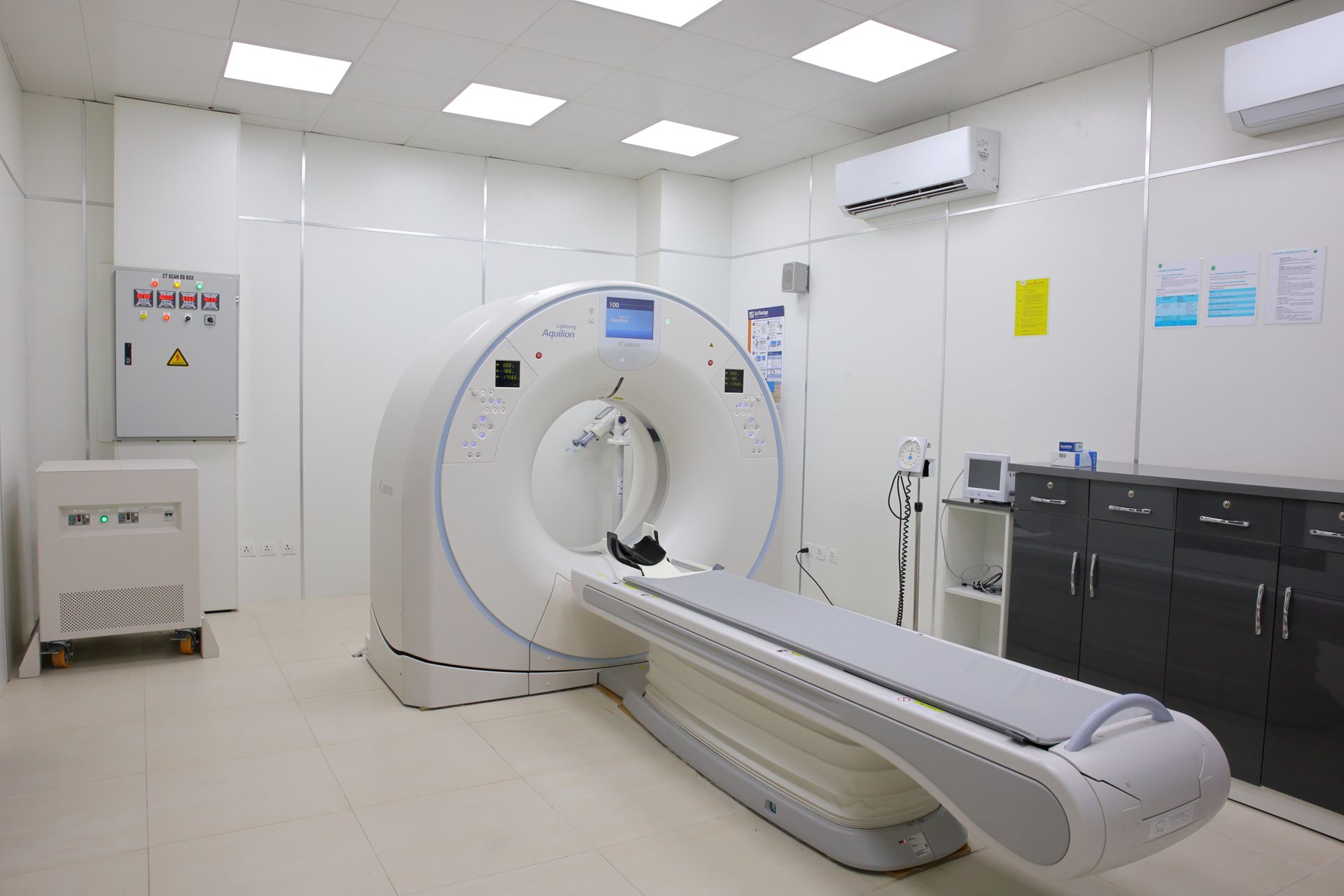
Most men diagnosed with prostate cancer face a stark choice: have the whole gland surgically removed, known as radical prostatectomy, or have it irradiated with radiotherapy. Both approaches are effective at treating the cancer, but because they act on the entire prostate rather than just the tumour, they can leave lasting side effects, chiefly urinary incontinence and erectile dysfunction.
Focal therapy takes a different approach. Using imaging and biopsy data, doctors map the tumour's exact location within the prostate, then treat only that specific area, using techniques such as targeted heat, freezing, or high-intensity focused ultrasound. The rest of the gland, along with the surrounding nerves and muscle that control continence and sexual function, is left largely untouched.
The NHS-funded UK trial is one of the largest and longest-running real-world studies of this approach to date. Nearly 3,500 men were followed for a decade, long enough to look past short-term outcomes and assess whether the benefits of focal therapy hold up over time.
Researchers found that men who had focal therapy had markedly lower rates of urinary incontinence than those who underwent full prostatectomy. Rates of erectile dysfunction showed a similar improvement, two outcomes that weigh heavily on patients' day-to-day quality of life long after the cancer itself has been treated.
A key finding was how well the cancer stayed under control. A substantial majority of men who had focal therapy showed no disease progression or need for further treatment after 10 years, suggesting the approach can deliver acceptable long-term cancer control for men with moderate-risk disease, not just fewer side effects.
Experts urge caution, however. Focal therapy is not suitable for everyone. It works best when the tumour is confined to a single, well-defined area of the prostate and falls within a certain range of aggressiveness. For cancer that has spread more widely through the gland, or that is highly aggressive, treating the whole prostate remains the standard approach.
Another important caveat is that men who choose focal therapy still need regular follow-up scans. Because some prostate tissue is deliberately left untreated, there is a small ongoing chance that a new or previously undetected tumour could develop there, so an MRI and biopsy monitoring schedule continues after treatment.
Clinicians say the findings could reshape conversations between doctors and patients weighing their options. Until now, many patients assumed that lowering their risk of side effects meant accepting a less certain degree of cancer control; the new data shifts that trade-off somewhat in favour of focal therapy for the right candidates.
Access to focal therapy within the NHS still varies by hospital, and not every centre has the equipment or specialist experience to offer it. The trial's authors hope the results will support updates to national treatment guidelines and encourage wider rollout of the technique.
Focal therapy is not a universal answer for prostate cancer, but for the right group of patients it offers a middle path that can control the disease while better preserving quality of life, and this 10-year data suggests that middle path holds up over the long run rather than just in the first few years after treatment.
Read next

What is cyclosporiasis, the parasite behind the US's 'explosive' diarrhea outbreak?
The parasite Cyclospora cayetanensis is driving a surge of cases across several US states, with Michigan seeing the largest outbreak in its history. Here's how the illness spreads, its symptoms, and how to avoid it.

Who can access testosterone therapy in the US, and how?
Testosterone therapy has become a fast-growing market in the US, but access runs through several different paths. From traditional endocrinology exams to telehealth platforms and gender-affirming care, who can get a prescription depends on diagnosis, insurance, and state law.
Do Ozempic and Wegovy slow aging? What the new research shows
Semaglutide, the active ingredient in Ozempic and Wegovy, slowed biological aging markers in adults living with HIV, the first clinical evidence the drug may influence human aging. Scientists call the finding encouraging but early-stage.

What do sweeteners do to gut bacteria? A 39-compound lab study finds answers
A large laboratory study testing 39 sweeteners found many directly alter the growth of gut bacteria. The most striking finding: combining isosteviol with the antidepressant duloxetine reduced beneficial bacteria and overall microbial diversity.

Dementia risk: why where you live may matter as much as how you live
A study of more than 214,000 people has found that the factors driving dementia risk differ significantly from country to country, challenging the idea of a single global prevention checklist. Some risk factors, though, turned out to be strikingly consistent everywhere researchers looked.