Can the shingles vaccine lower dementia risk? What a large new study found
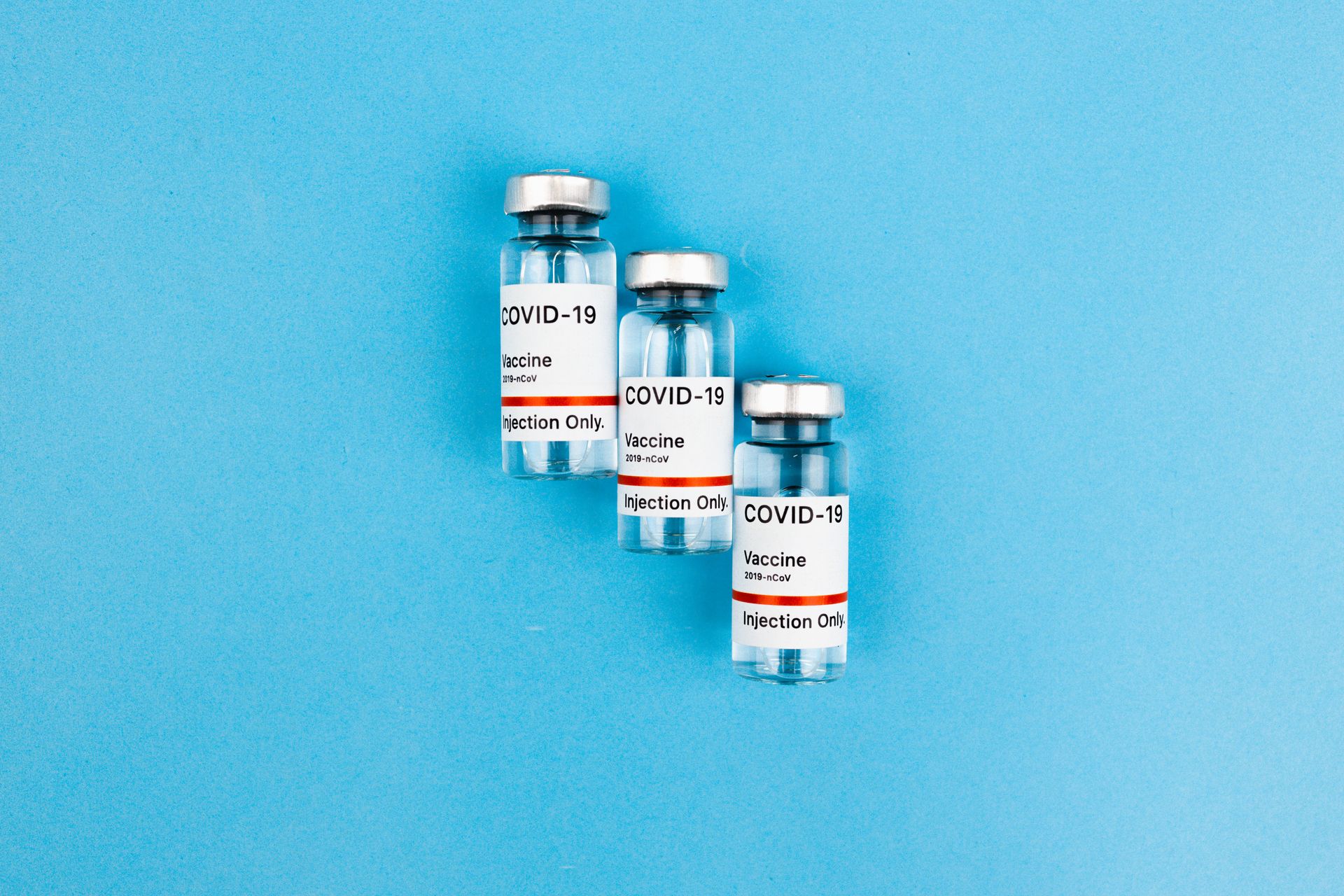
The shingles vaccine has long been part of routine older-adult immunisation. In recent years, separate studies have hinted that it may also offer an indirect benefit to brain health. The new STAT News report covers what is to date one of the largest data efforts on that question.
The study pooled records from the US Department of Veterans Affairs system, the UK national health database and a regional insurer in Australia. The merged sample reached about 1.7 million people; those aged 60 and over were tracked over three years for new diagnoses of dementia.
The authors found that older adults who received a shingles vaccine — particularly the recombinant Shingrix — had a roughly 18% lower rate of new diagnoses of Alzheimer's and other dementias. The effect remained significant after adjustment for age, sex, smoking, education and prior chronic illness.
A notable feature was that the effect appeared larger in women than in men. "That sex-linked difference may carry important clues about the role of varicella-zoster virus in the nervous system," one author, Maria Glymour, told STAT News.
The mechanism remains uncertain. One hypothesis is that chronic low-grade inflammation triggered by viral reactivation accelerates the beta-amyloid build-up associated with Alzheimer's, and that vaccination interrupts that chain by preventing reactivation. Another possibility is that the vaccine itself recalibrates immune regulation in older adults.
The study carries an important list of caveats. First, vaccinated and unvaccinated individuals may differ on hard-to-measure variables — such as "vaccination-seeking behaviour" — that systematically bias observational results.
Second, the observation window is three years. Because dementia develops over many years, that window may not capture the full effect curve. The authors acknowledge that the three-year data are preliminary.
The key question is the clinical-policy implication. The US Centers for Disease Control and Prevention already recommends Shingrix for people aged 50 and over, but uptake among patients sits at around 35%. Several family physicians told STAT News that this single finding does not by itself change clinical practice but adds one more argument in routine shingles-vaccine conversations with patients.
Without making a single causal claim, the findings provide a rationale for more controlled experiments. Several groups are planning large randomised studies to evaluate existing vaccines for downstream cognitive outcomes; first results are expected only after 2028.
In the near term, the authors emphasise three practical points. First, the existing shingles-vaccine recommendation is justified independently by the vaccine's primary indications — reducing shingles pain and post-herpetic neuralgia. Second, the current evidence for a cognitive benefit is useful but far from conclusive. Third, it is reasonable for private health insurers or national health systems to revisit funding considerations alongside the new evidence.
Read next

Do humans have hidden regenerative powers? What the new research says
Science Daily covers new research showing that humans carry the same regeneration genes that drive limb regrowth in salamanders and axolotls — but kept silent in normal conditions. The finding could reshape the trajectory of regenerative medicine.

Think you're eating healthy? You may be missing this heart-protecting nutrient
A new Tufts University study reports that a large share of adults who consider their diet healthy fall short on omega-3 intake — the nutrient most strongly linked to heart protection. The researchers say fish, leafy greens and walnuts close the gap.

Kidney cancer rates near Pfas factory in Lancashire flagged as 'major source of concern'
A study reported by the Guardian shows that kidney cancer rates around a Pfas-producing factory in Lancashire have run above the UK average for two decades. The findings reignite the debate over how Britain regulates 'forever chemicals'.

Cambrian's experimental longevity drug mimics exercise: what the first human data show
In an early human study run by Cambrian Bio, an experimental molecule activated mitochondrial genes and produced blood-marker changes that mimic the effects of exercise. STAT News explains what the data show — and the questions that remain.

Do wearables actually help people with cardiovascular disease? What the latest evidence says
Smart watches and rings now routinely track steps, heart rhythm and sleep. STAT News reviews recent meta-analyses showing where wearables produce measurable clinical benefit for people with cardiovascular disease — and where the evidence still falls short.
