British intelligence and Cold War disinformation: the story of the Information Research Department

Among the lesser-known Cold War institutions is the Information Research Department (IRD), established by the British government in 1948. A new HistoryExtra feature examines how the unit worked and the historiographical debate it has left behind. This article follows the documented historiographical framing and avoids political characterisation.
The unit was set up under the Foreign Office at the initiative of Christopher Mayhew and Foreign Secretary Ernest Bevin. Its primary remit was framed not as "propaganda" outright but as "counter-propaganda": to produce verified or at least defensible alternative narratives in response to claims being put out by the Soviet Union and its allies. Records released gradually by the National Archives from 1995 have given a clearer picture of the scale of its work.
The IRD's methods were varied. According to historian Hugh Wilford's "The CIA, the British Left and the Cold War" (2003), the IRD supplied journalists with background dossiers, sent magazine writers "story suggestions," funded translations of selected books and produced material for overseas outlets. The funded distribution of Orwell's "1984" and "Animal Farm" translations in some countries is among the documented facts.
Geographically, the IRD had priorities. The influence of Communist parties inside European and British trade unions was a primary focus in the early years. Later, decolonising movements in the Middle East, Asia and Africa entered the brief. This is where the historiographical debate gets more complex: some historians read the IRD's role in post-colonial regions critically, others situate it within the widely accepted norms of the period.
The closing and reopening of the London archives is perhaps the most interesting aspect of the academic debate. The IRD was wound up in 1977 by Foreign Secretary David Owen; significant parts of its records went into the standard 30-year confidentiality. From 1995, phased declassification gave historians like Wilford a chance for detailed work. Tony Shaw at the University of Birmingham and Helen McCarthy at King's College London among others have analysed the sources systematically.
There is also a methodological debate. The information IRD supplied was not always wholly false; it was often "selected truth." This is an important distinction in disinformation studies: there is a line between a hard lie and the false impression created by information removed from its context. The IRD's methodological archive is part of why contemporary information-warfare researchers find it interesting.
On the other side, the Soviet KGB's Active Measures Service and its predecessors ran comparable operations on a far larger scale. Christopher Andrew's work drawing on the Mitrokhin archive documented the global scope of KGB disinformation. Comparative history shows the period was not a one-sided process.
The Cold War disinformation literature has found new life in the modern social media era. A RAND Corporation study in 2024 notes that the structure of contemporary state-level information operations carries clear echoes of Cold War methods. For academic committees and think tanks, IRD work provides important contextual background for modern "hybrid warfare" discussions.
Context for Turkish readers: during the Cold War, Turkey was a NATO member, part of the Western bloc, and also a neighbour to the Middle East, one of the IRD's focus geographies. Reviews of some Cold War-era diplomatic records released by the Türk Tarih Kurumu from the 2020s have begun to enrich the information dynamics of the period with Turkish sources.
The IRD's legacy is neither an absolute hero narrative nor a complete dark-operations story. The historiographical consensus is to study the unit as a documented historical fact and treat it as contextual material for modern disinformation research. HistoryExtra's feature updates the unit's place in the historiography.
Read next
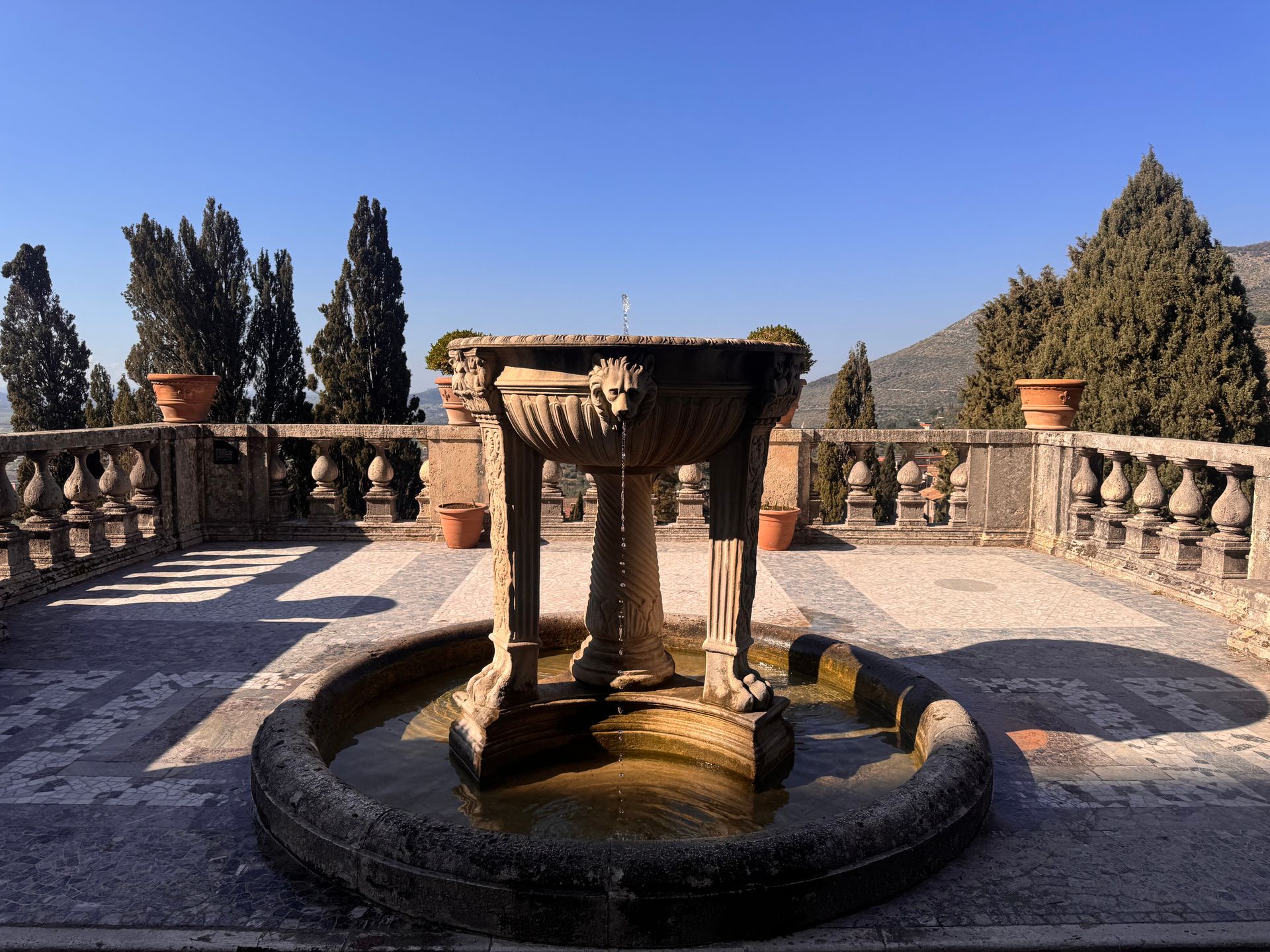
Florence's Fountain of Bacchino: a Renaissance work where city water meets allegory
Florence's Fountain of Bacchino is a small but telling piece of the city's Renaissance water infrastructure. The sculpture is also a concrete example of the political-allegorical language developed under Medici patronage.
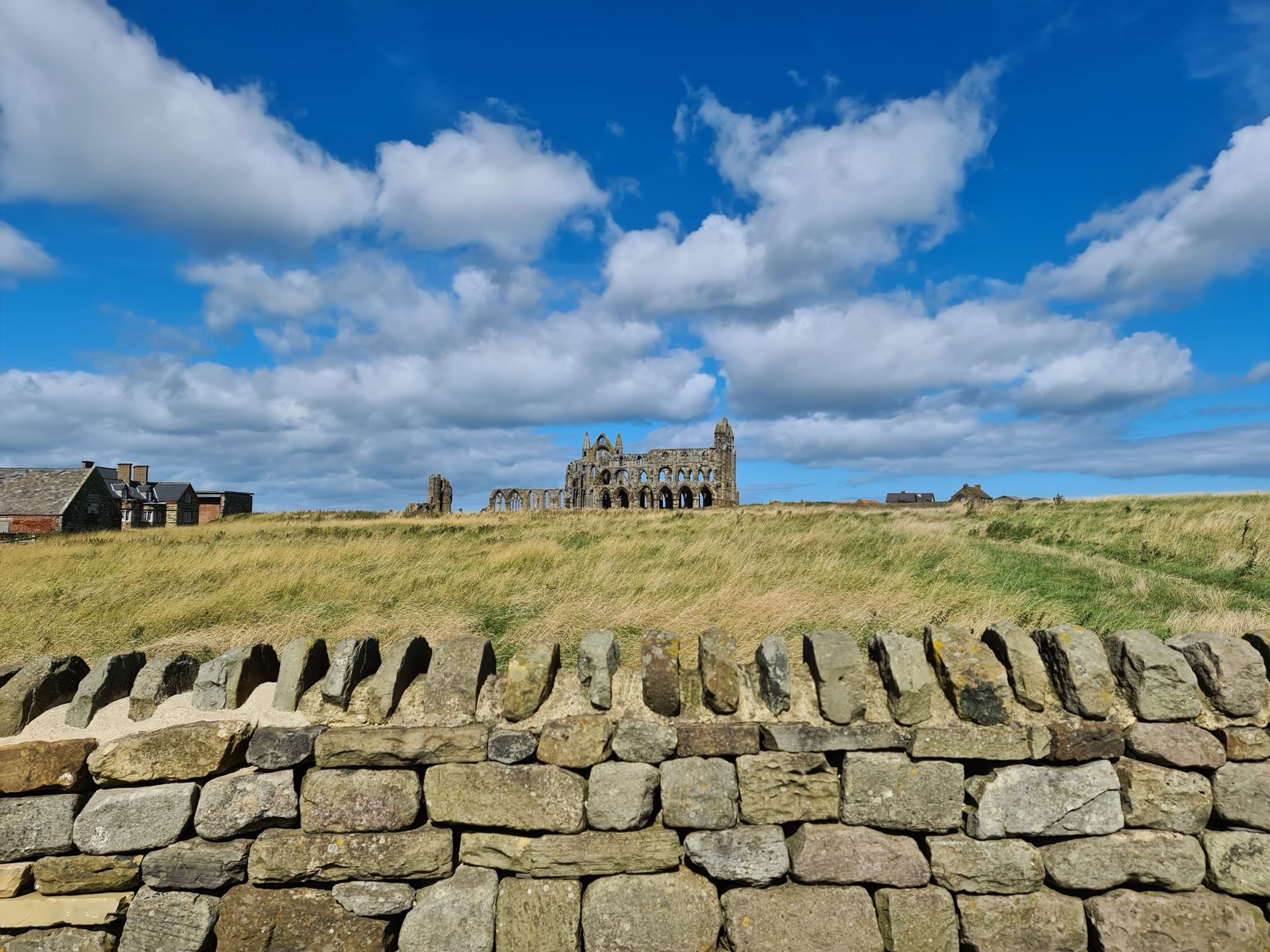
Cerne Abbey: the 1,000-year story of an English monastic ruin
Cerne Abbey, in the village of Cerne Abbas in Dorset, holds the remains of a Benedictine monastery founded in 987. Henry VIII's Dissolution of the Monasteries flattened most of the buildings; the surviving gardens and ruins now form a small cultural pilgrimage.

The real history behind William Morris's designs: a Victorian rebel's reconciliation with nature
Strawberry Thief, Trellis, Willow Bough — William Morris's designs still sell as wallpaper and fabric today. A new HistoryExtra video-format analysis traces how Morris's philosophical opposition to the industrial revolution shaped his nature-led patterns and the workshop methods behind them.

What if the Soviets had reached the Moon first? The real history behind the alternative space race
Apollo 11's Moon landing in 1969 became one of the Cold War's defining moments. This HistoryExtra long-read examines why the Soviet lunar programme fell short and how the wider Cold War might have shifted if a Soviet cosmonaut had instead stepped onto the Moon first.

Yarm Castle: how an English engineer built a miniature Norman keep in his own back garden
Yarm Castle near Stockton-on-Tees is not a medieval fortress: it is a late 19th-century project by a local engineer who spent years building a miniature Norman-style keep in his own garden. Atlas Obscura's profile traces the story of a Victorian-era passion for medieval craft.
