Cerne Abbey: the 1,000-year story of an English monastic ruin
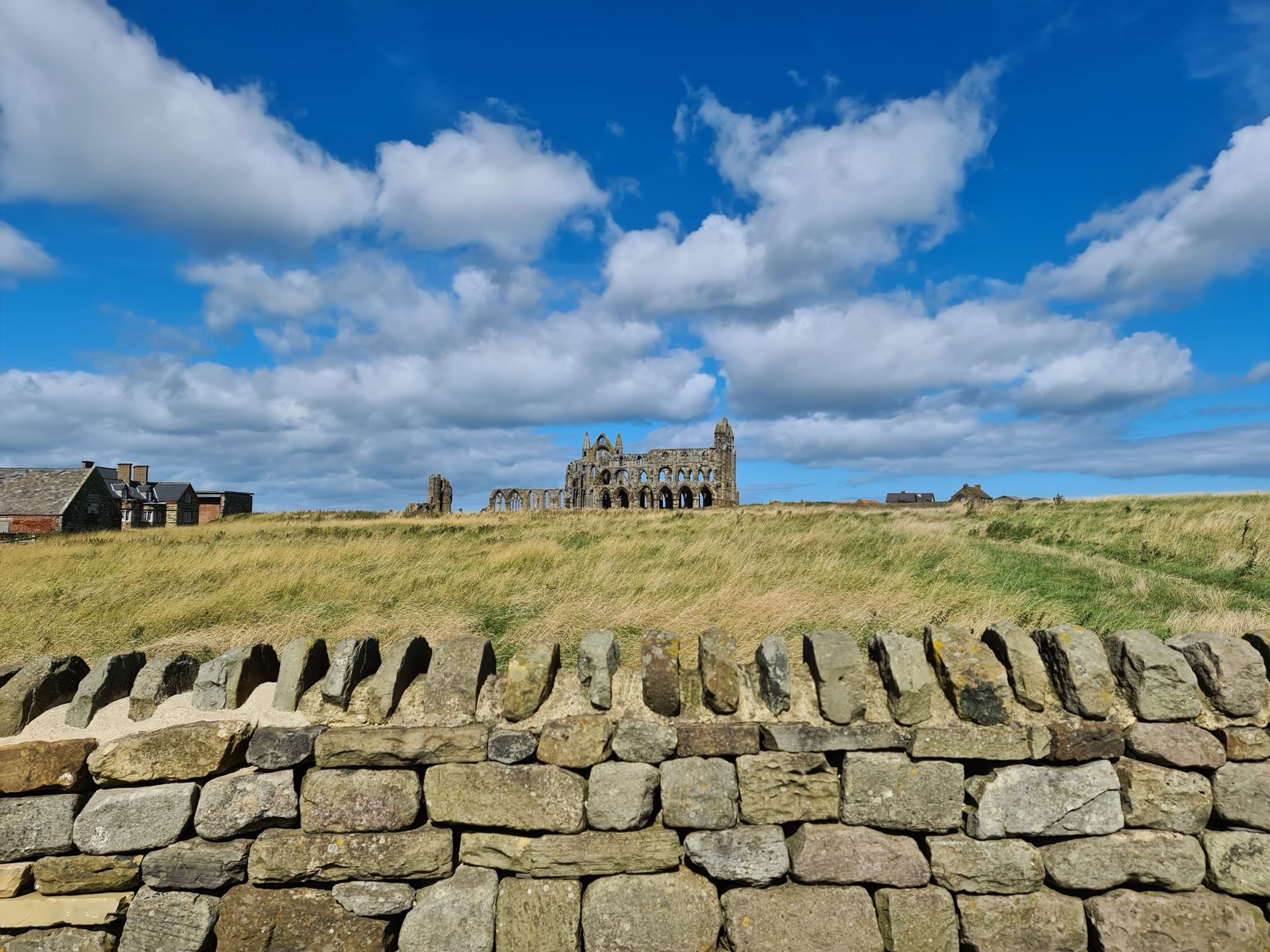
The Dorset village of Cerne Abbas in southern England carries a distinctive history. In the meadows just north of the village stand the ruins of Cerne Abbey, founded in 987. Atlas Obscura's profile traces the complex's journey through several historical eras.
The abbey's foundation falls in the late stages of Anglo-Saxon England's Christianisation. Cerne Abbey was established as a Benedictine foundation; early monastic records indicate that the founder, Æthelmær, was from one of the leading Wessex noble families. The site, in a broad chalk valley with reliable water sources, was ideal for a settled monastery.
After the Norman Conquest (1066), the abbey, like most English Benedictine houses, passed under the control of the new ruling order but kept its institutional identity. The large church built in the 12th century reflected the prevailing Romanesque architecture of the period. The abbey acted as the organising centre for the valley's agricultural output.
The abbey's "golden age" came in the 13th and 14th centuries. Holdings expanded, a book-production workshop (scriptorium) operated, and the abbey's position on pilgrimage routes made it an important hostelry. English Heritage documentation puts the mid-14th century population at around 40 monks with close to 50 associated lay servants.
In 1539, Henry VIII's Dissolution of the Monasteries brought Cerne Abbey to an end. As part of the Crown's large-scale revenue policy, the abbey's properties passed to the state, the library was dispersed and the buildings were demolished. The classic study by Eamon Duffy, "The Stripping of the Altars" (1992), documents the rupture this episode created in English religious life.
What survives today: a 15th-century Abbey Guesthouse, a gatehouse and the outline of the monastic gardens. These structures are listed and protected by English Heritage and are open to the public. Atlas Obscura notes that some of the garden's growing areas have been restored to reflect medieval monastic horticulture techniques.
Cerne Abbas has another claim to fame: on the hillside to the north, the chalk-cut figure known as the "Cerne Abbas Giant." The figure's dating was long debated; in 2021, a National Trust optically stimulated luminescence (OSL) study put its creation between roughly 700 and 1100 CE — a window overlapping with the abbey's foundation.
The village-and-abbey relationship is a textbook example of medieval English monastic economic influence. Cerne Abbas grew up around the abbey; even after the abbey was suppressed, the village's economic reconfiguration was a long process. Today the village has a population of about 800 and is one of Dorset's smallest but best-known settlements.
For visitors, Cerne Abbas draws attention through its abbey remains, the Giant and traditional Dorset village architecture. National Trust visitor reports show the area attracts around 80,000 visitors annually — an important economic input for a small village.
A comparative note for Turkish readers: the Byzantine-era monasteries of Anatolia (the rock-cut churches of Cappadocia, Sumela in Trabzon, the Iron Monastery sites in the Antioch region) lived through a comparable historical arc: foundation, flourishing, rupture and modern reframing as cultural heritage. Cerne Abbey's story is a Western European case-study within the global experience of medieval Christian monasticism.
Visitor note: the abbey ruins are open year-round and free to enter; English Heritage's digital guide maps other historical points in the village too.
Read next
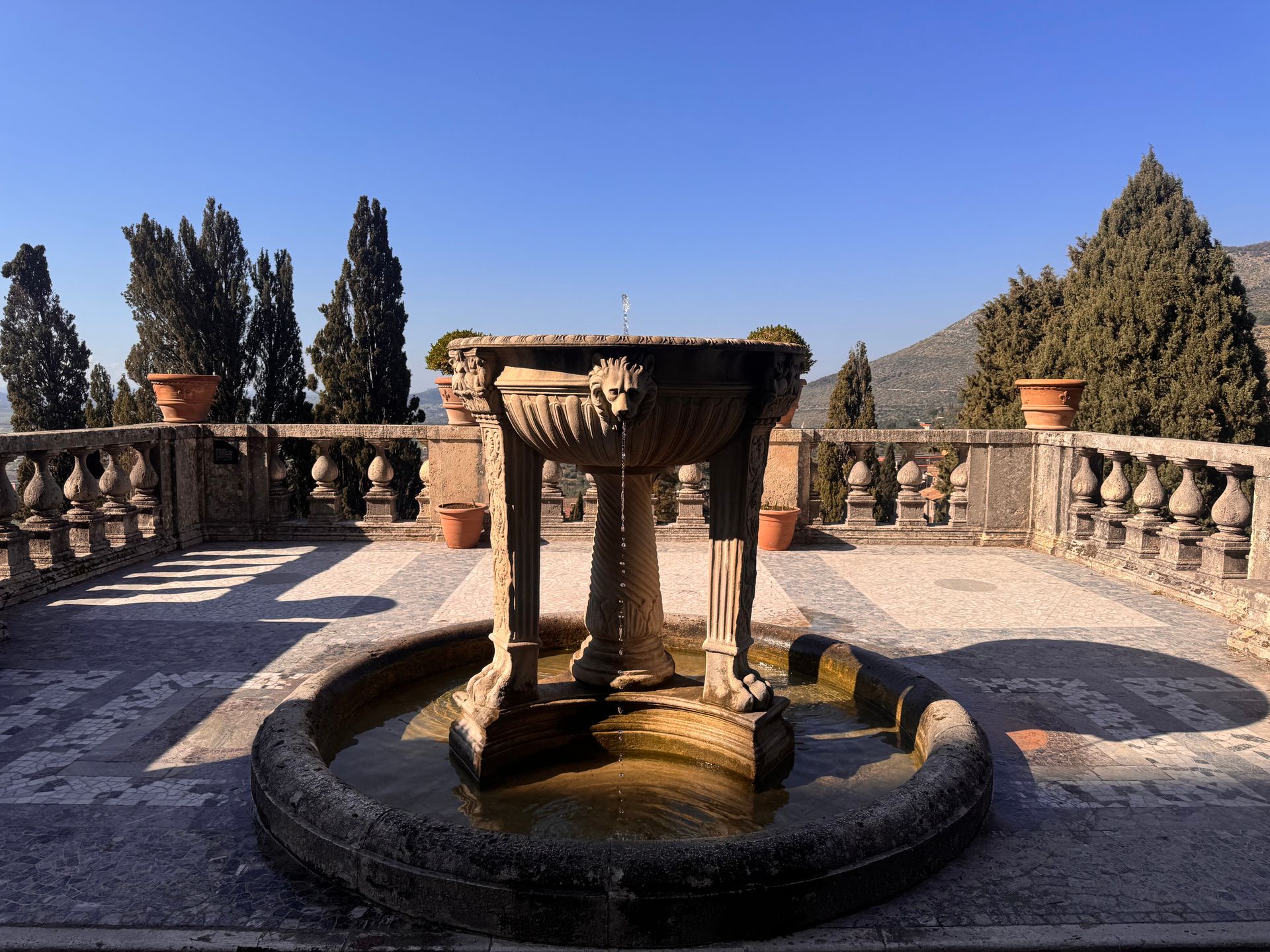
Florence's Fountain of Bacchino: a Renaissance work where city water meets allegory
Florence's Fountain of Bacchino is a small but telling piece of the city's Renaissance water infrastructure. The sculpture is also a concrete example of the political-allegorical language developed under Medici patronage.

British intelligence and Cold War disinformation: the story of the Information Research Department
The Information Research Department, set up by the British government in 1948, was a little-known unit running disinformation operations through the Cold War. A new HistoryExtra feature examines how it worked and the historiographical debate it has left behind.

The real history behind William Morris's designs: a Victorian rebel's reconciliation with nature
Strawberry Thief, Trellis, Willow Bough — William Morris's designs still sell as wallpaper and fabric today. A new HistoryExtra video-format analysis traces how Morris's philosophical opposition to the industrial revolution shaped his nature-led patterns and the workshop methods behind them.

What if the Soviets had reached the Moon first? The real history behind the alternative space race
Apollo 11's Moon landing in 1969 became one of the Cold War's defining moments. This HistoryExtra long-read examines why the Soviet lunar programme fell short and how the wider Cold War might have shifted if a Soviet cosmonaut had instead stepped onto the Moon first.

Yarm Castle: how an English engineer built a miniature Norman keep in his own back garden
Yarm Castle near Stockton-on-Tees is not a medieval fortress: it is a late 19th-century project by a local engineer who spent years building a miniature Norman-style keep in his own garden. Atlas Obscura's profile traces the story of a Victorian-era passion for medieval craft.
